Amkeni
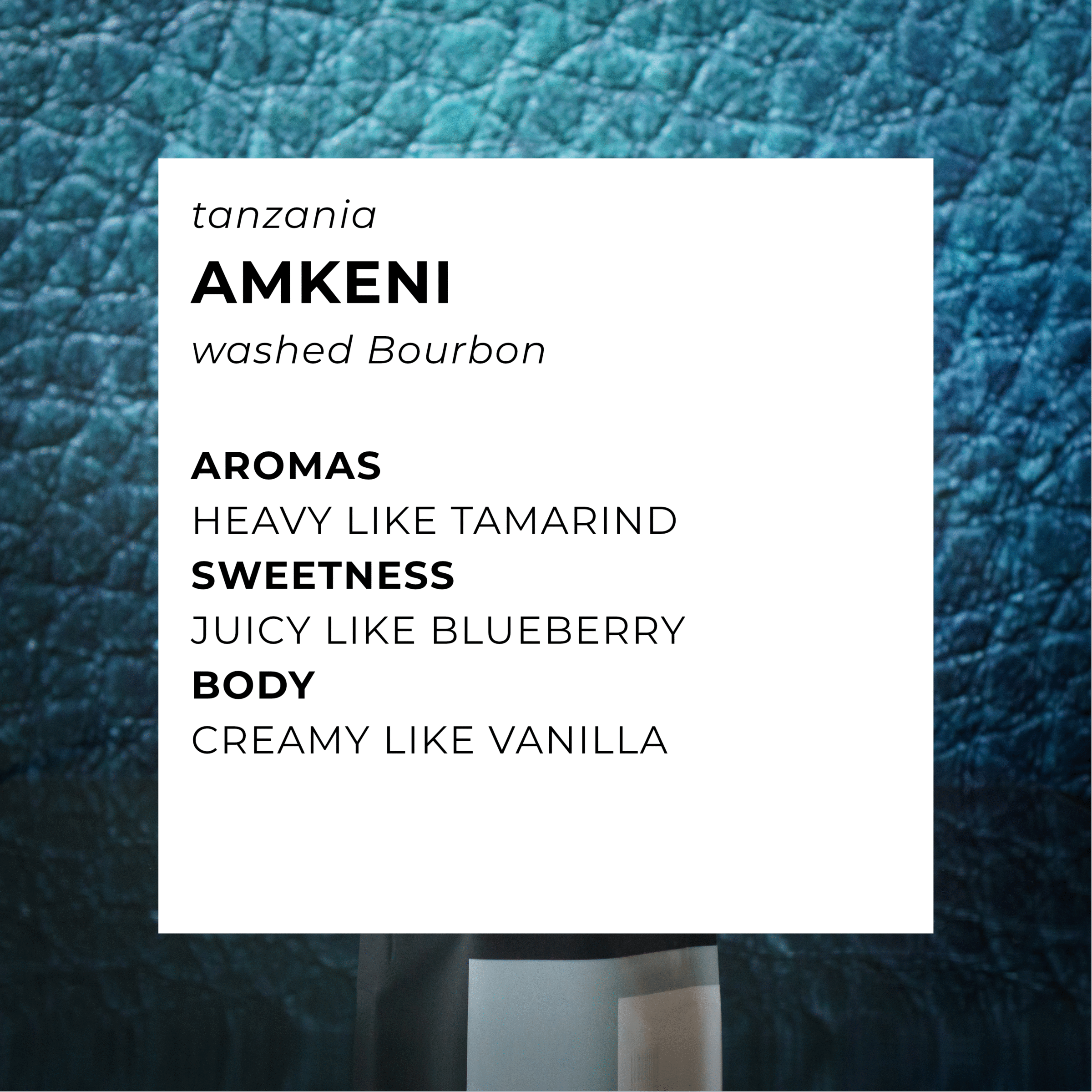
Tanzania – Washed Bourbon. Heavy aromas like tamarind. Juicy sweetness like blueberry. Creamy body like vanilla.
Amkeni
After years of dimishing quality, a big push of energy by This Side Up got this Tanzanian coffee back on track.
Region: Mwika, Mt. Kilimanjaro, Tanzania
Altitude: 1,600 – 1,750 m.a.s.l.
Variety: Bourbon
Processing: fully washed, overnight fermentation, dried on raised beds
Additional information
| Weight | N/A |
|---|---|
| Region | Bensa, Sidama, Ethiopia |
| Altitude | 2,400 m.a.s.l. |
| Variety | 74/158, 74/110 and Setami |
| Processing | 72hr fermentation, dried on raised beds |
| Flavour | Floral aromas like jasmin and passion fruit. Juicy sweetness like peach. Silky body like caramel and earl grey tea. |
Jelle's Notes
I started working with Amkeni last year when This Side Up introduced me to the cooperative as a coffee with strong potential to replace another Tanzanian coffee I had called Aranga. I had been building a relationship with Aranga’s producer because I saw great promise, but we couldn’t reach the quality I needed due to limited resources and support. In the end, both This Side Up and I had to stop that cooperation.
When I tasted Amkeni, I saw enough potential to move forward. It shares a similar profile to Kenyan coffees but has more body, making it more versatile. Kenyan coffees can be too bright and fruity for espresso for some people, but Amkeni balances that fruitiness and works well for espresso and other brew methods.
I thought Amkeni would be a great coffee for people starting with specialty coffee as it is more accessible in flavor and on the affordable side. Since introducing it, I’ve heard from many coffee bars that they’re happy serving it too. For the upcoming harvest, I’ve reserved twice as much. Even though the price is about 20% higher, it’s worth it because customers really enjoy it, and I plan to keep buying it.
Producer
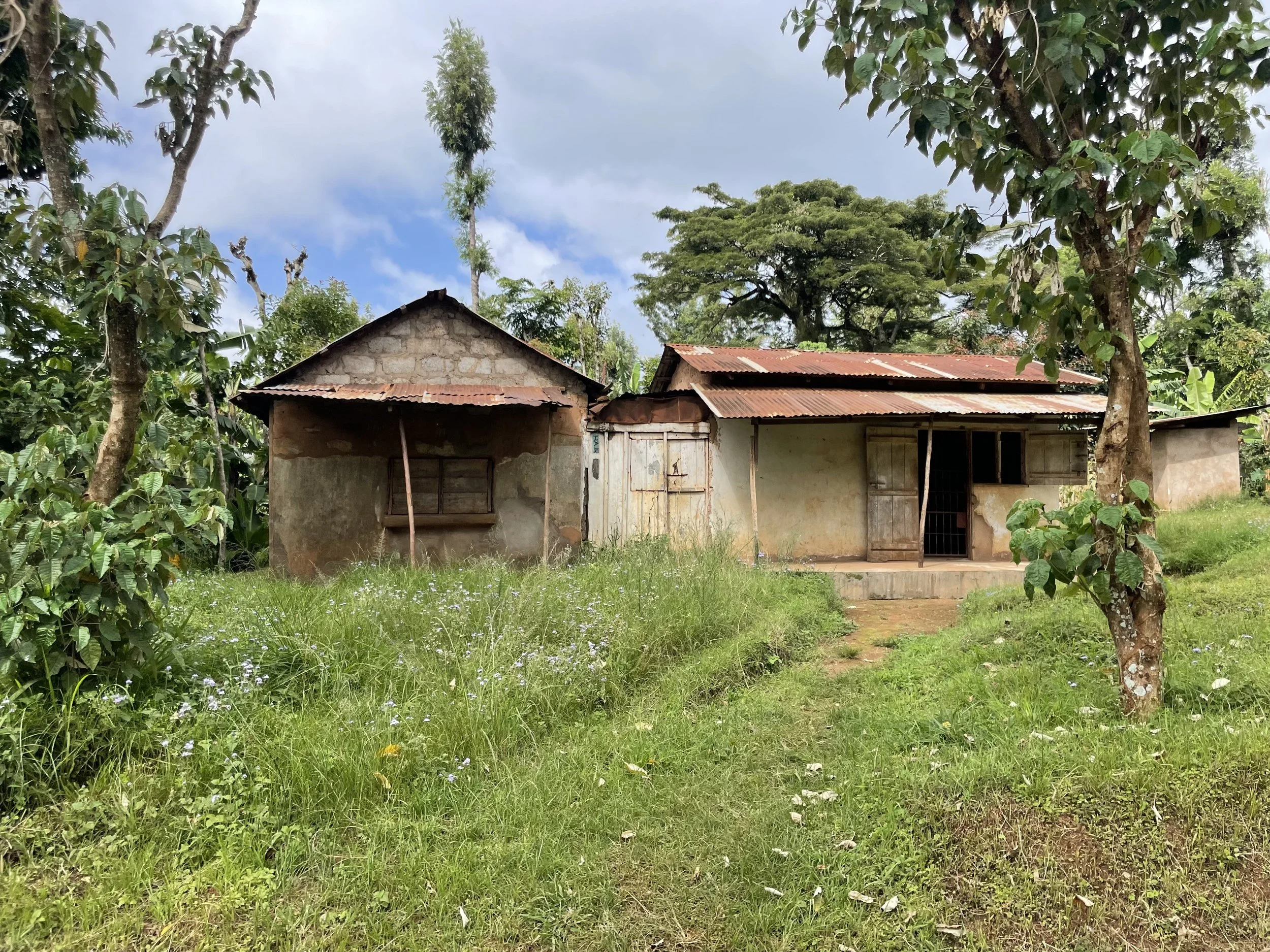
Amkeni is a cooperative based in Mwika, a small village on the slopes of Mt. Kilimanjaro. It started in 1999 when 150 farmers harvested and processed their own coffee at home, bringing parchment to a central group headquarters. By 2001, with support from Technoserve, they built their first central processing unit (CPU). Today, the group has 45 members with a special status as a “coffee group,” which is unique in Tanzania where cooperatives are more common.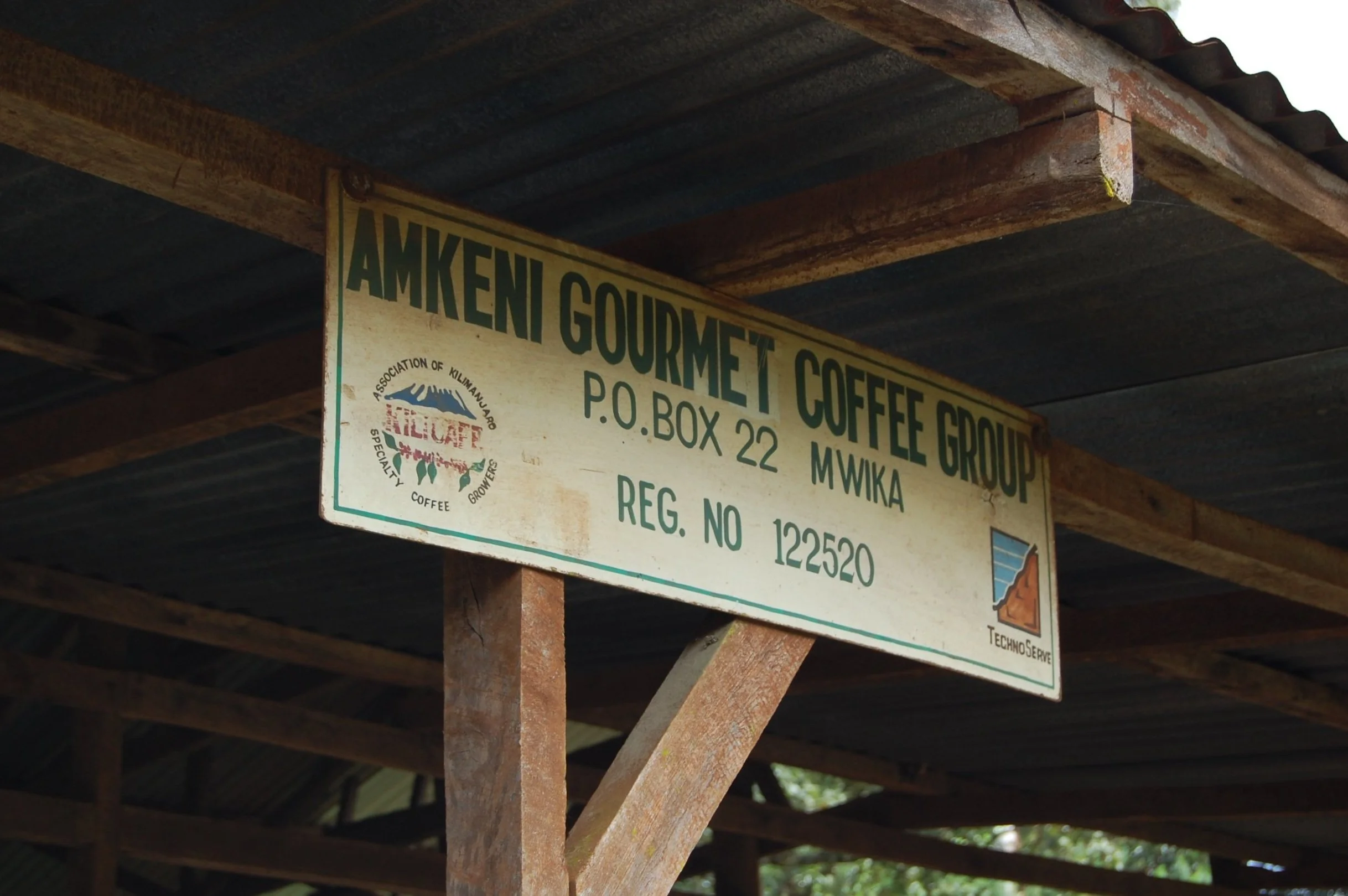
The story of Amkeni is linked to the earlier Aranga cooperative. Rebecca Trupin, half Tanzanian and half American, met Aranga in 2012 while exploring successful cooperatives to support farmers in her mother’s village. Aranga’s success inspired neighboring groups like Amkeni to pursue international markets. However, challenges such as quality issues and leadership transparency slowed progress.
Wanza became a key partner in this journey by opening the door between the cooperative and This Side Up (and other international buyers). He works with Frank Mlay, a Q grader with roots in the region, who is connected with the cooperative and recognized their quality achievements alongside their struggle for fair compensation. Together they ensured farmers received better pay and support.
Despite challenges like climate change and limited youth participation, the older farmers remain committed. They innovate by using cattle for manure and fuel, keeping the cooperative active and skilled.
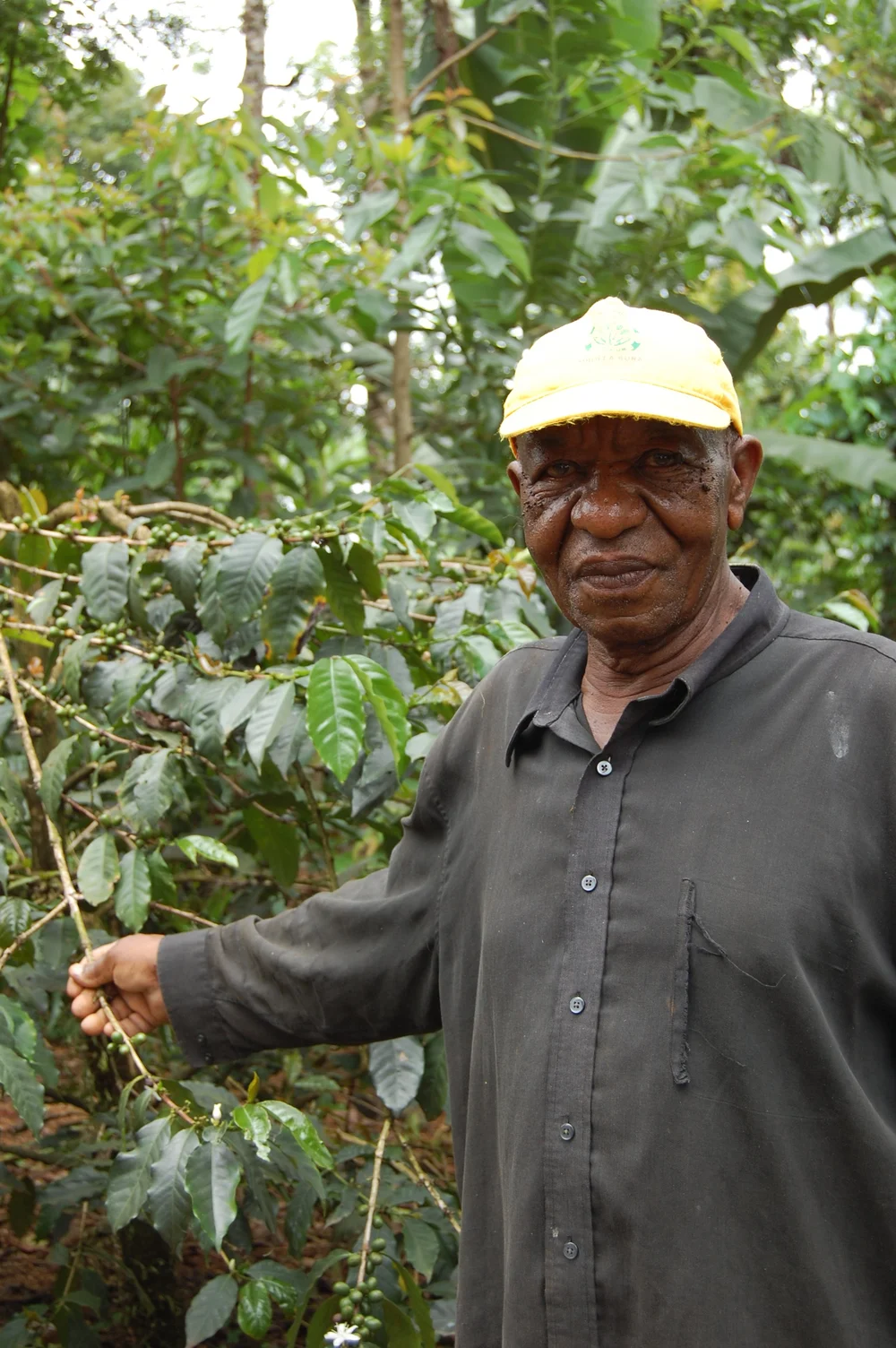 Amkeni’s coffee is grown between 1,600 and 1,750 meters above sea level over approximately 75 hectares of land, with mainly Bourbon and Jackson Bourbon cultivars. The cooperative includes around 60 farmers who have proven themselves skilled growers and committed businesspeople, working together to control quality and bring their coffee to the world.
With Wanza’s support, the group is investing in upgrading their CPU, renovating offices and equipment, and establishing a fund to help members afford agricultural inputs. This economic impact they have been creating with This Side Up has fostered a culture of trust and transparency, making Wanza a pivotal player in Tanzania’s specialty coffee scene.
Pricing
Price Breakdown
For us, sourcing coffee isn’t just about finding the right flavour, but more about finding the right people. We want to work with importers who are interested in building lasting relationships with the farmers and stay involved beyond the harvest. For this coffee, we’ve partnered with This Side Up. They represent producers directly, support long-term systems, and make sure pricing reflects the real work behind each lot. Their model is built on transparency, shared ownership, and a refusal to let commodity pricing define value. We pay more, but we know where it goes. That’s how we prefer to source our coffee.
How is this built up?
Related products

Surprise coffee
€12.00 – €43.20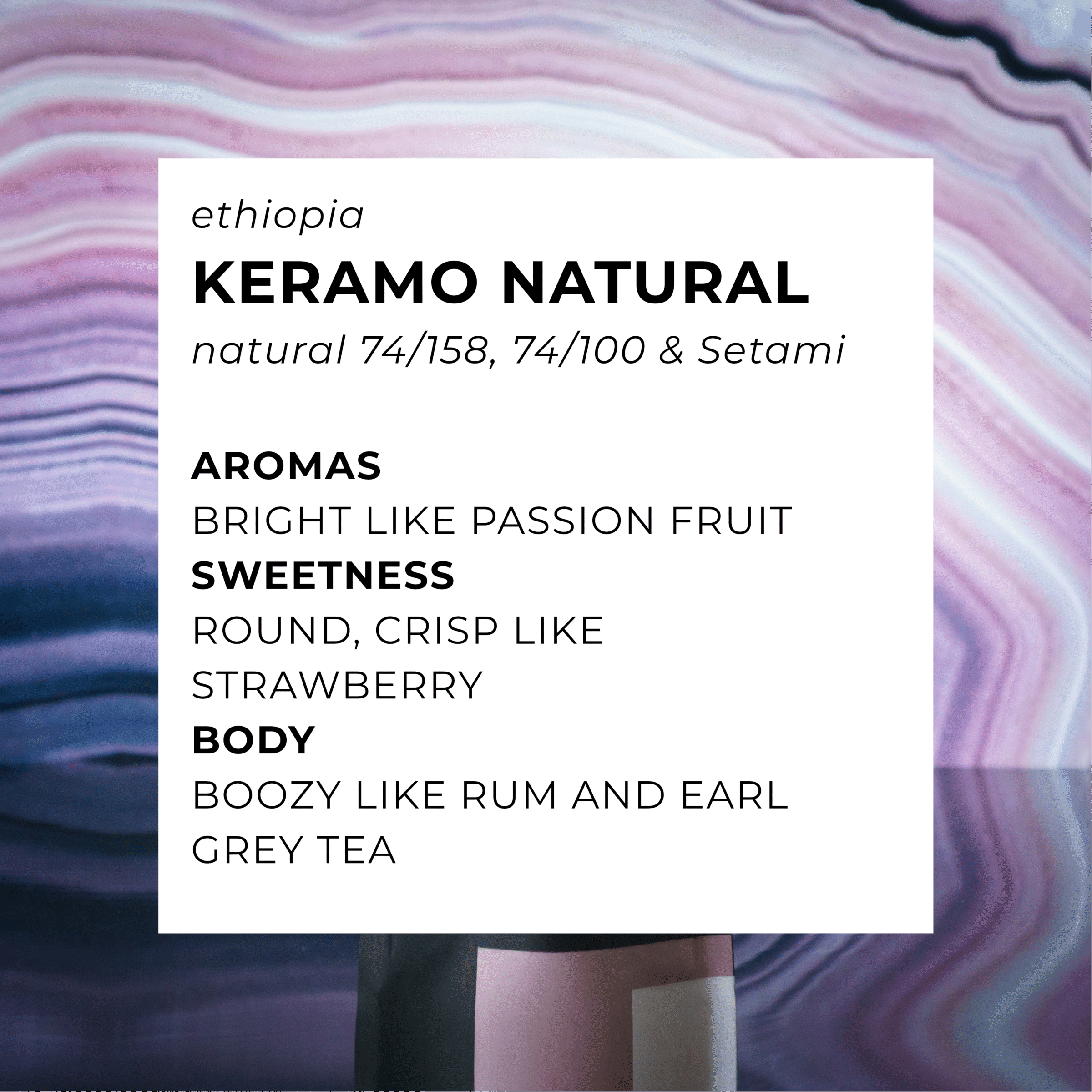
Keramo Natural
€17.00 – €61.20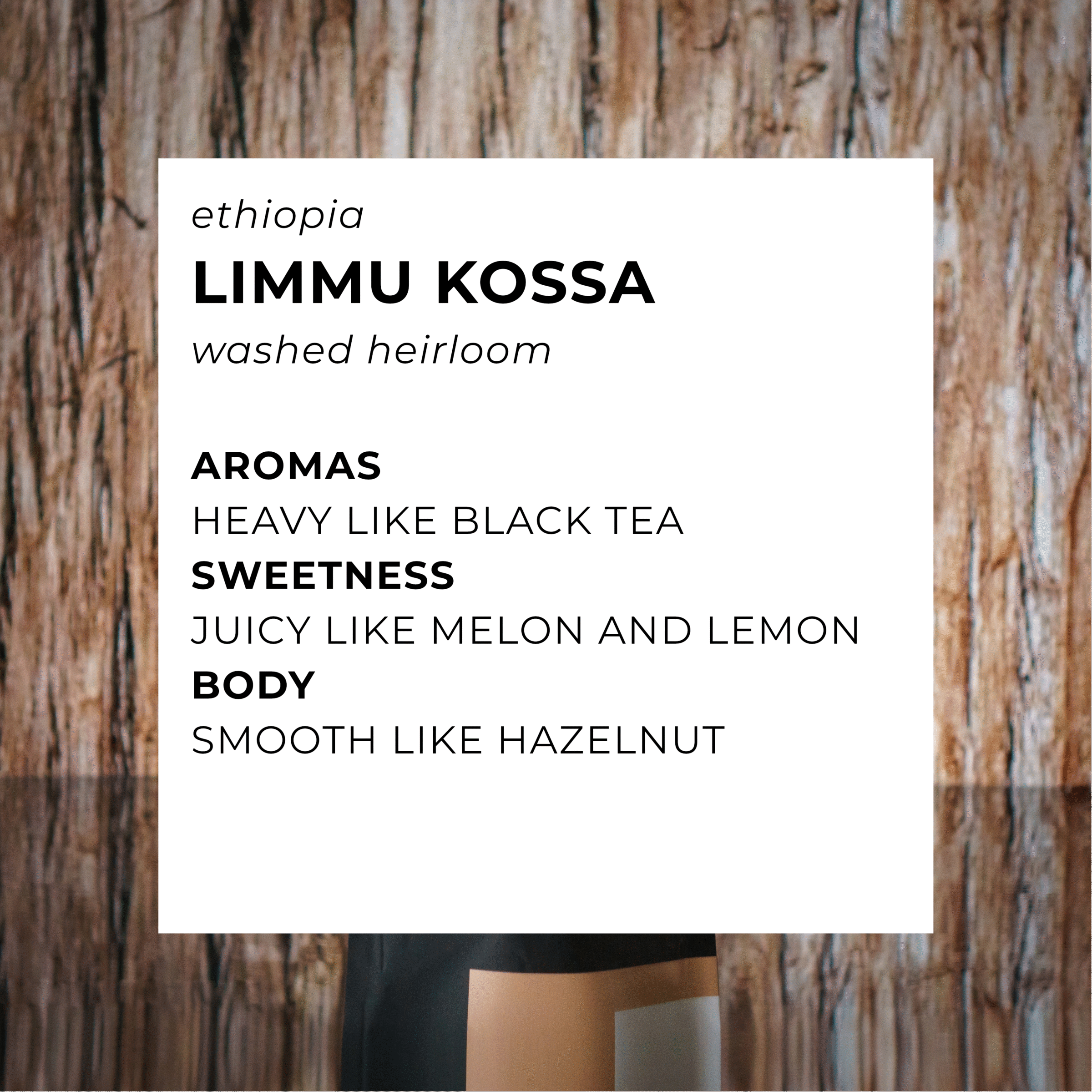
Limmu Kossa
€13.00 – €46.80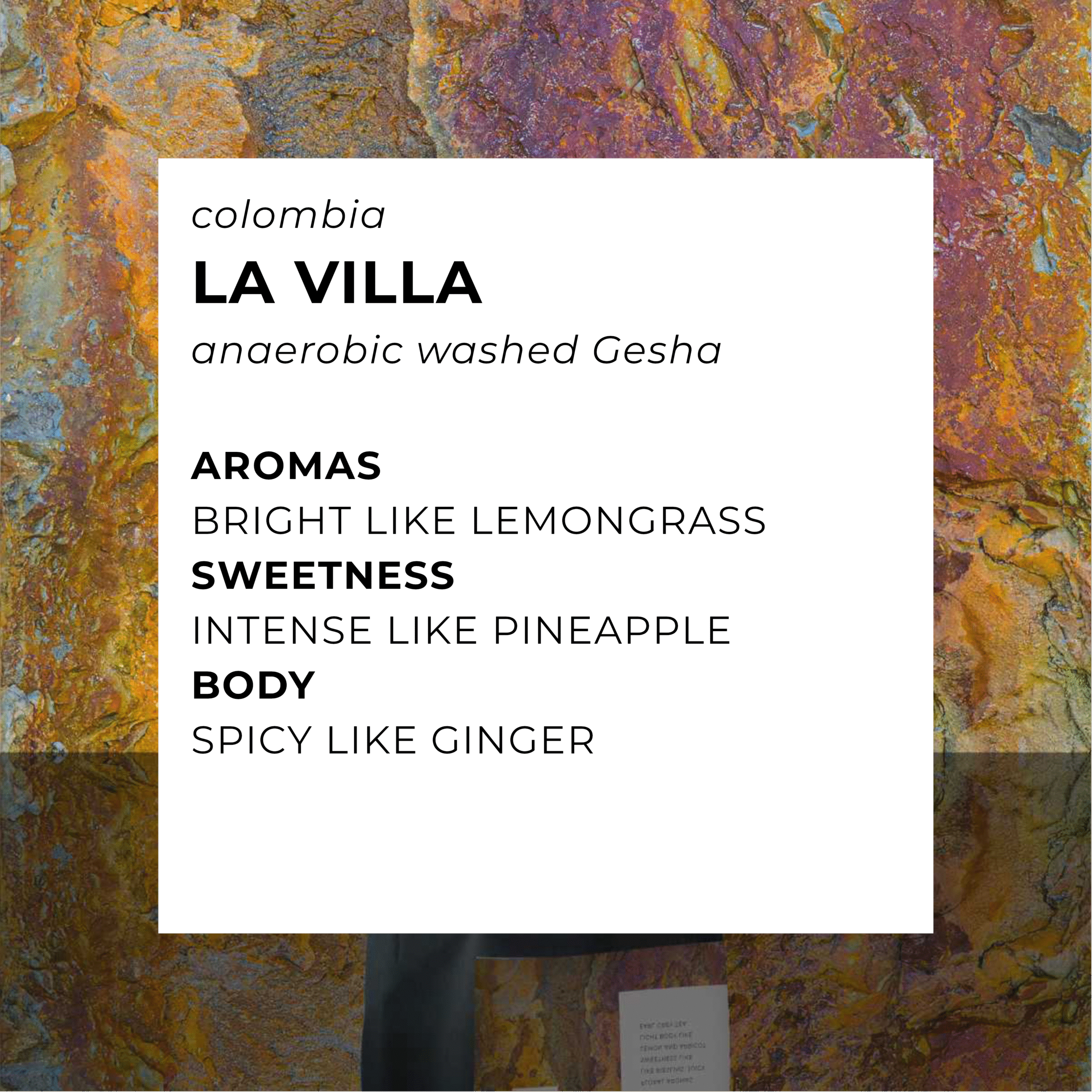
La Villa
€25.00 – €90.00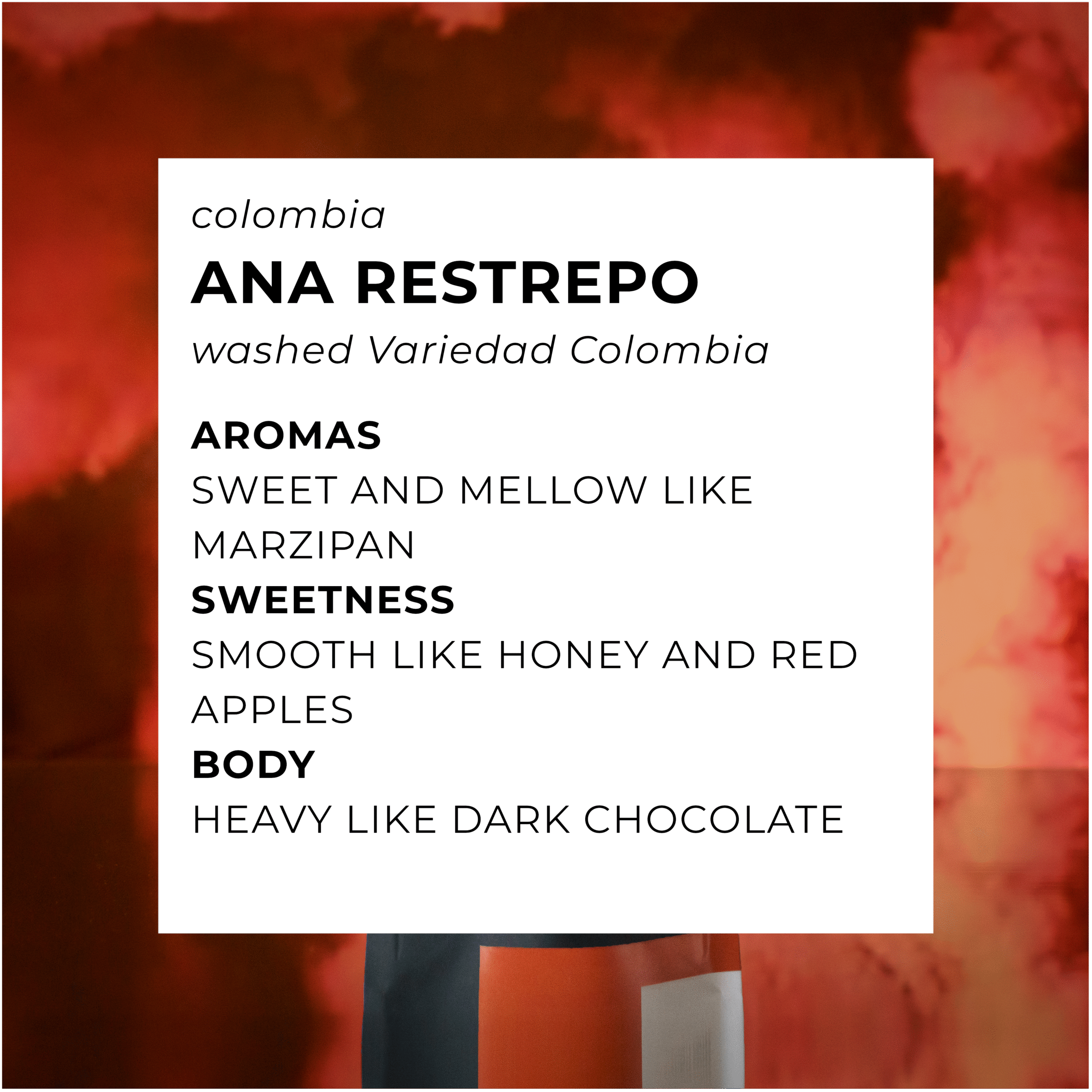
Ana Restrepo
€13.00 – €46.80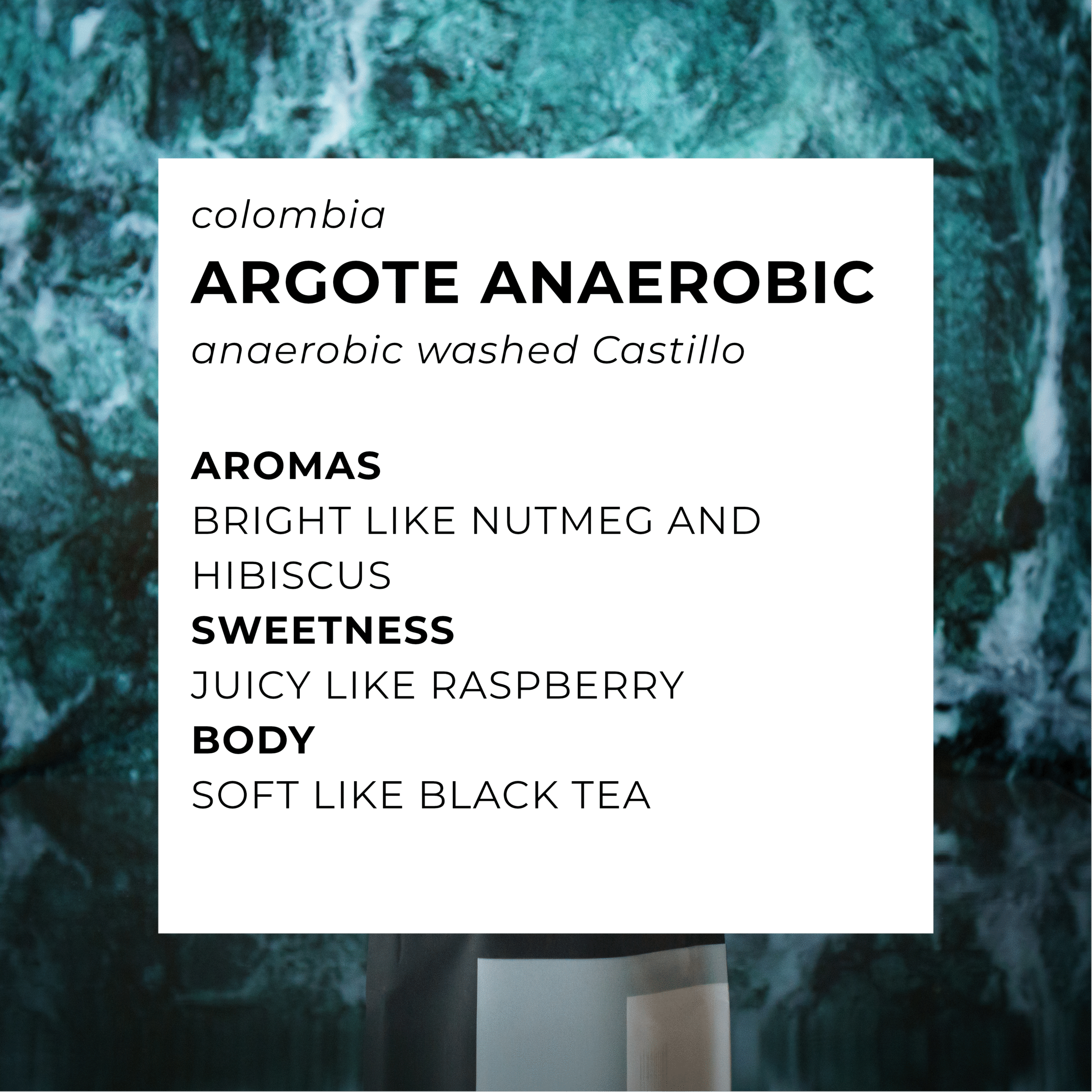
Argote Anaerobic
€16.00 – €57.60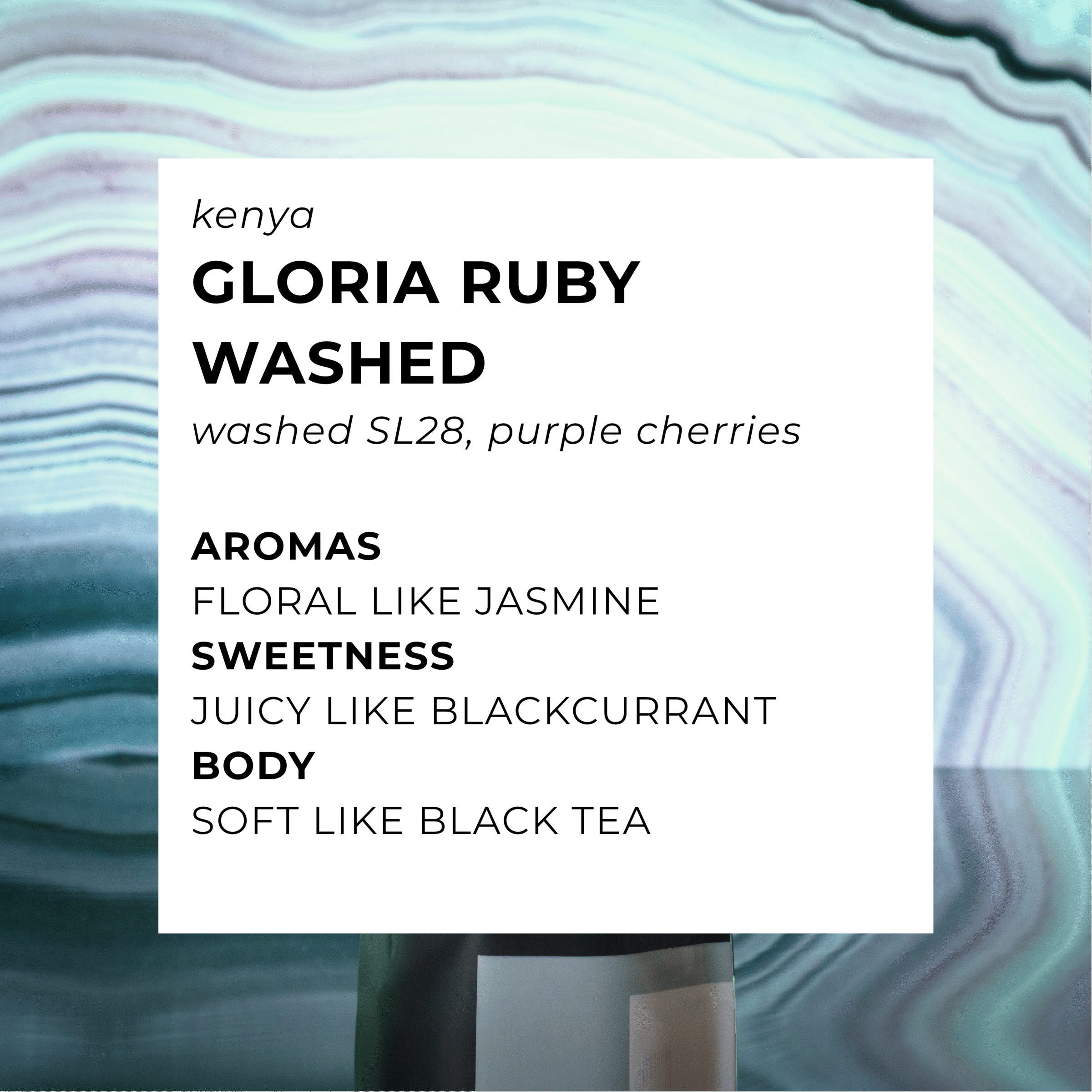
Gloria Ruby Washed
€13.00 – €46.80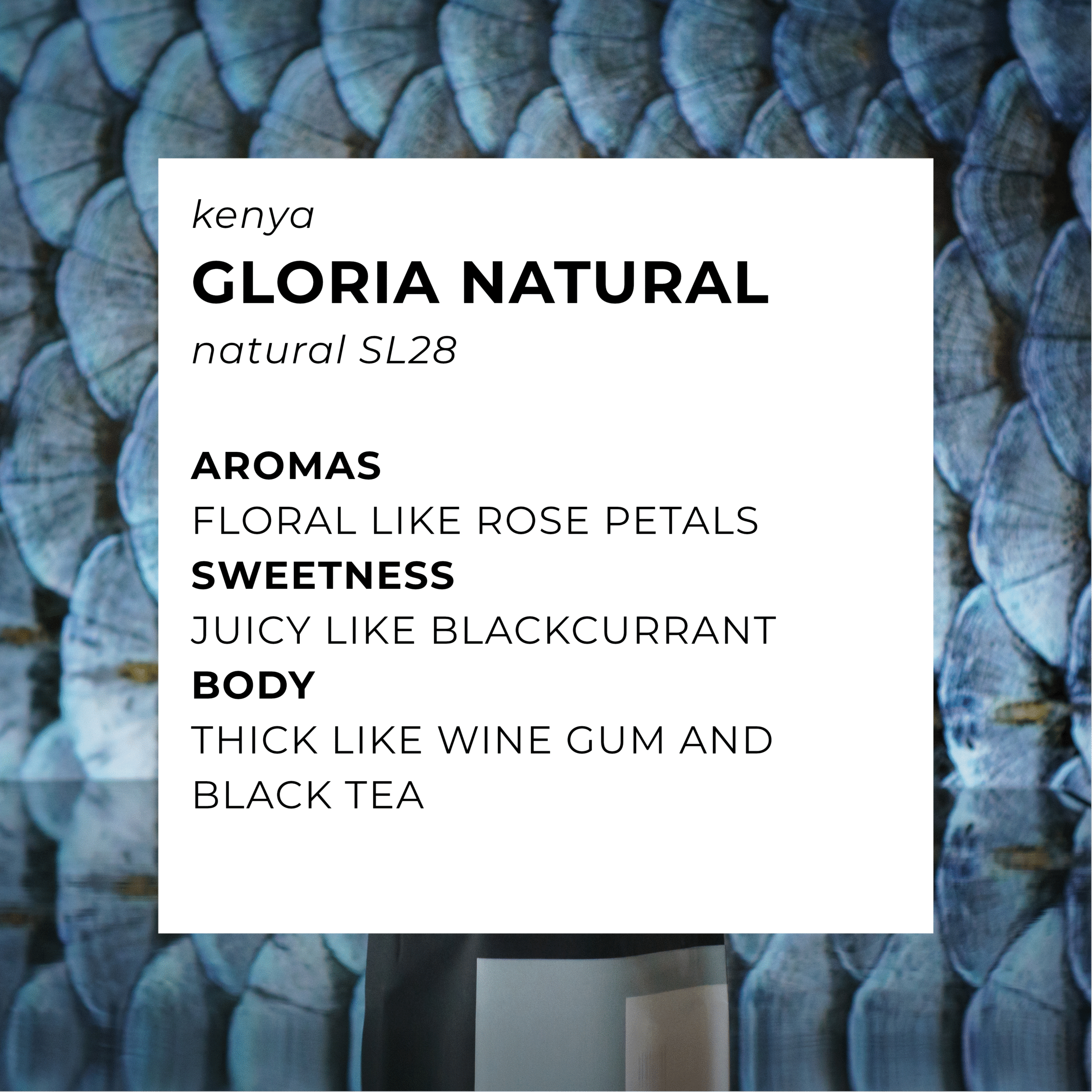
Gloria Natural
€13.00 – €46.80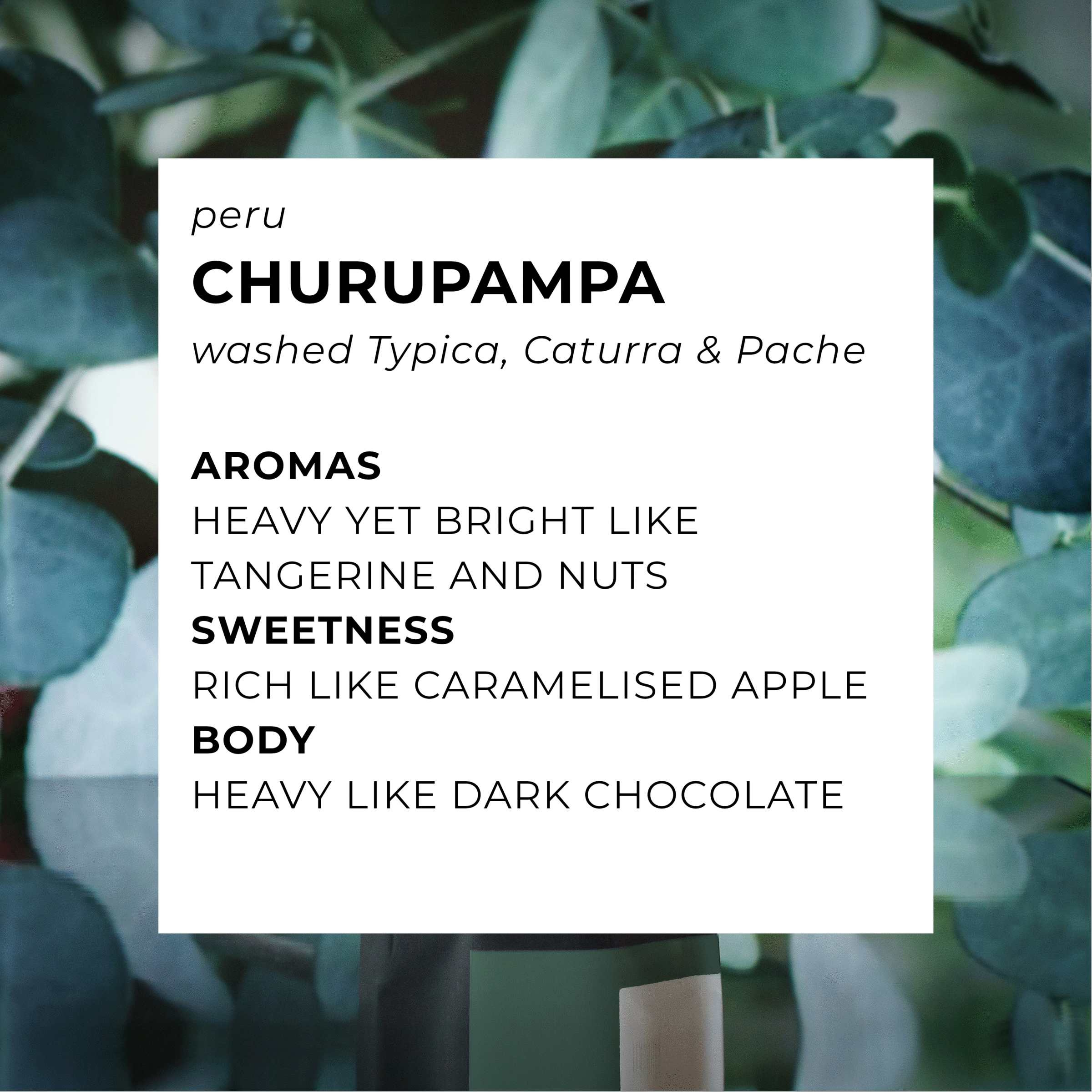
Churupampa
€12.00 – €43.20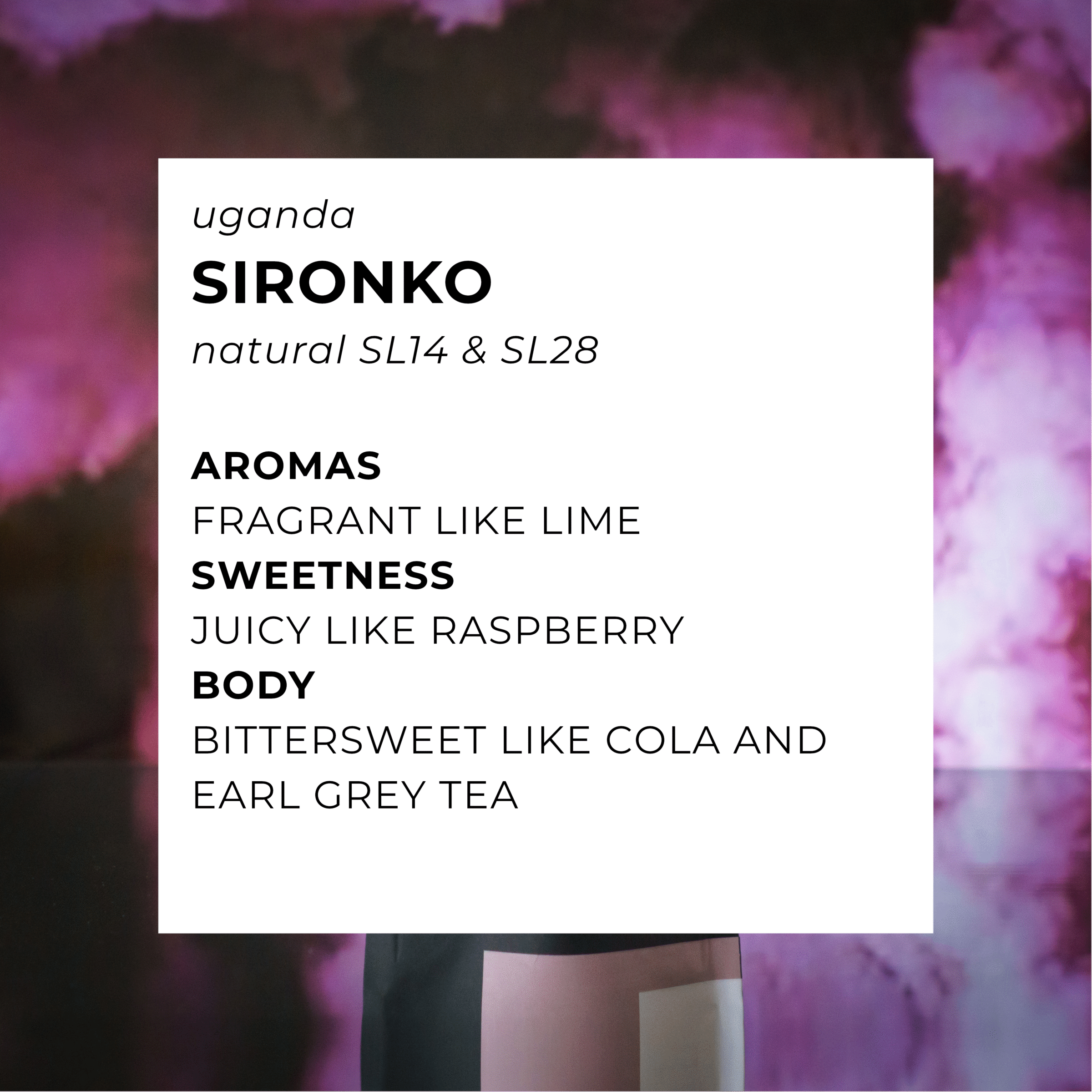
Sironko
€14.00 – €50.40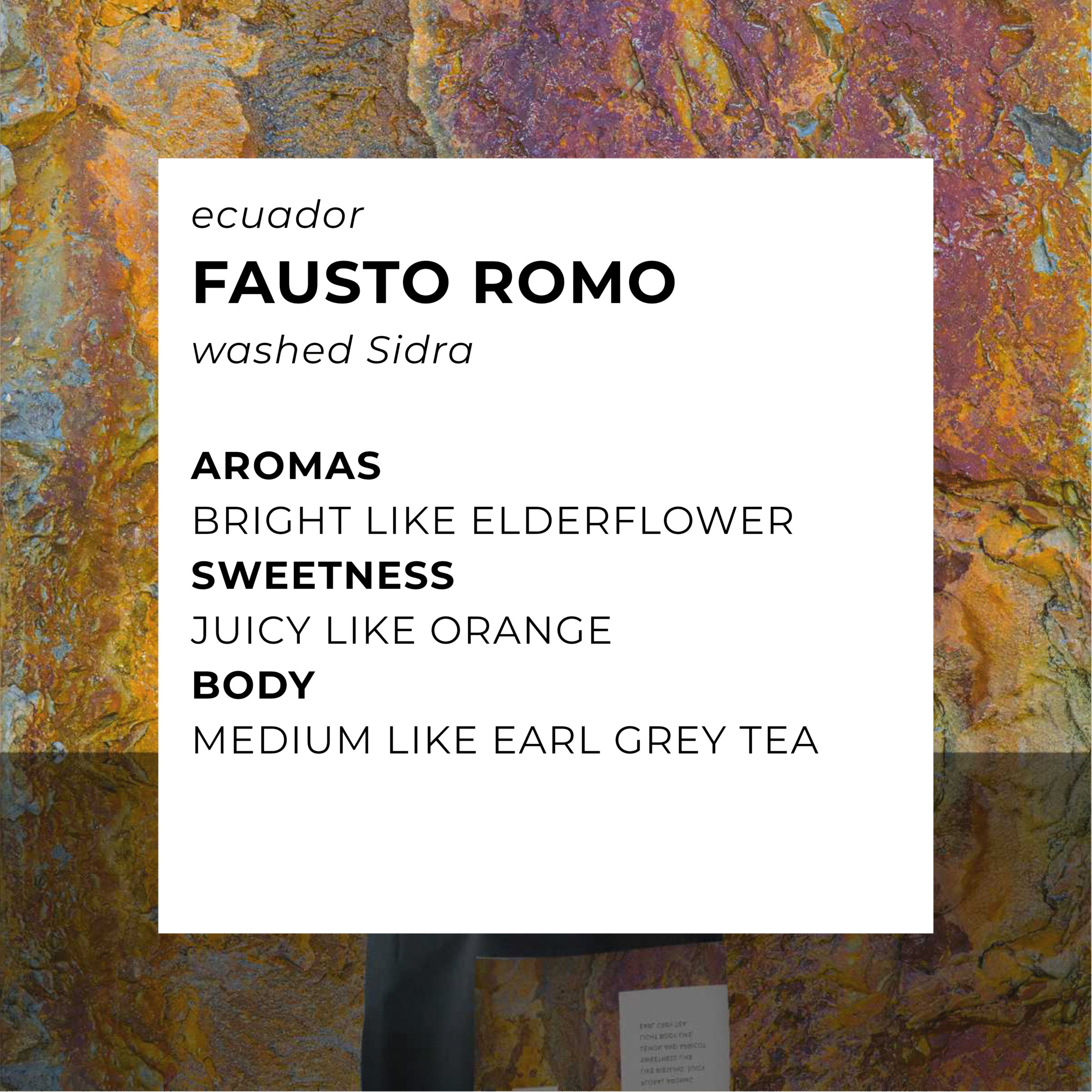
Fausto Romo
€22.00 – €79.20