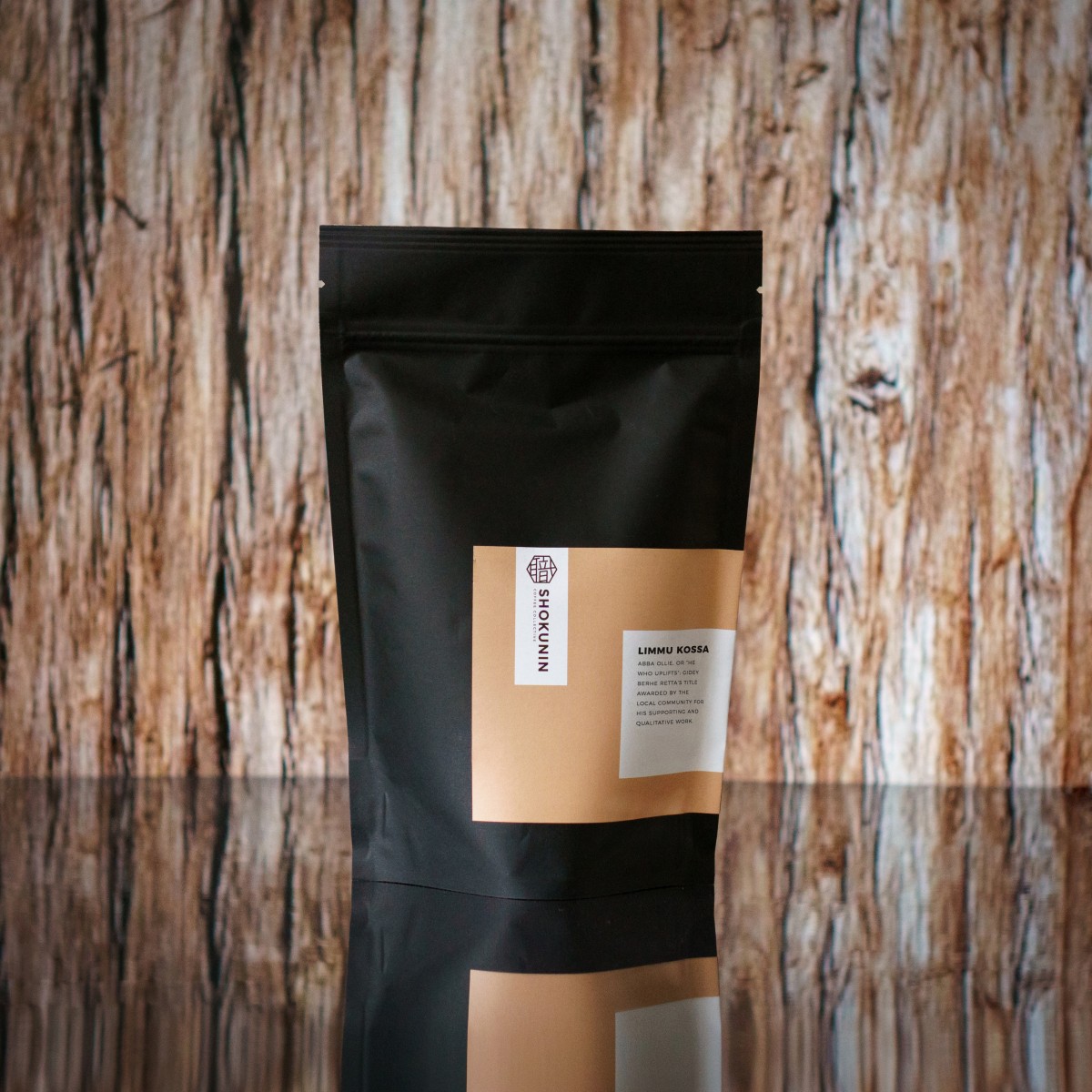
Limmu Kossa
Ethiopia – Washed Heirloom. Heavy aromas like black tea. Juicy sweetness like melon and lemon. Smooth body like hazelnut.
Limmu Kossa
Abba Ollie, or “he who uplifts”: Gidey Berhe Retta’s title awarded by the local community for his supporting and qualitative work.
Region: Galeh, Jimma, Oromia, Ethiopia
Altitude: 1,840 – 2,130 m.a.s.l.
Variety: Heirloom
Processing: washed, dried on raised beds.
Additional information
| Weight | N/A |
|---|---|
| Region | Galeh, Jimma, Oromia, Ethiopia |
| Altitude | 1,840 – 2,130 m.a.s.l. |
| Variety | Local varieties 74165, 75227, 74140, 74110, 74112 and 5227 |
| Processing | Natural, dried on raised beds |
| Flavour | Full, sweet aromas like black tea and passion fruit. Deep sweetness like melon and strawberry jam. Smooth, creamy body like hazelnut ice cream |
Jelle's Notes
Limmu Kossa was one of the first coffees I ever roasted. I started with the natural because it had that classic Ethiopian fruitiness and a nuttier body that made it an easy everyday choice.
As the years went on, the quality became harder to manage. Consistency dropped, post‑processing slipped, and even with the producer promising improvements each season, the lots never quite reached the level they had in the beginning. I stayed committed and kept trying to make it work, but at some point, the natural just was not giving us the foundation it used to.
So this year, I moved fully to the washed lot. The washed process allows earlier picking, which helps with consistent quality, and the cup profile turned out to be surprisingly close to how the natural tasted in those early days. It still has that creamy nuttiness and feels much closer to the version of Limmu Kossa I always hoped we could get back to.
After a few years of wrestling with it, I am happy to have a clear path forward. I can keep working with the same producer, and it fits the direction my lineup is naturally moving in with more washed coffees.
Producer
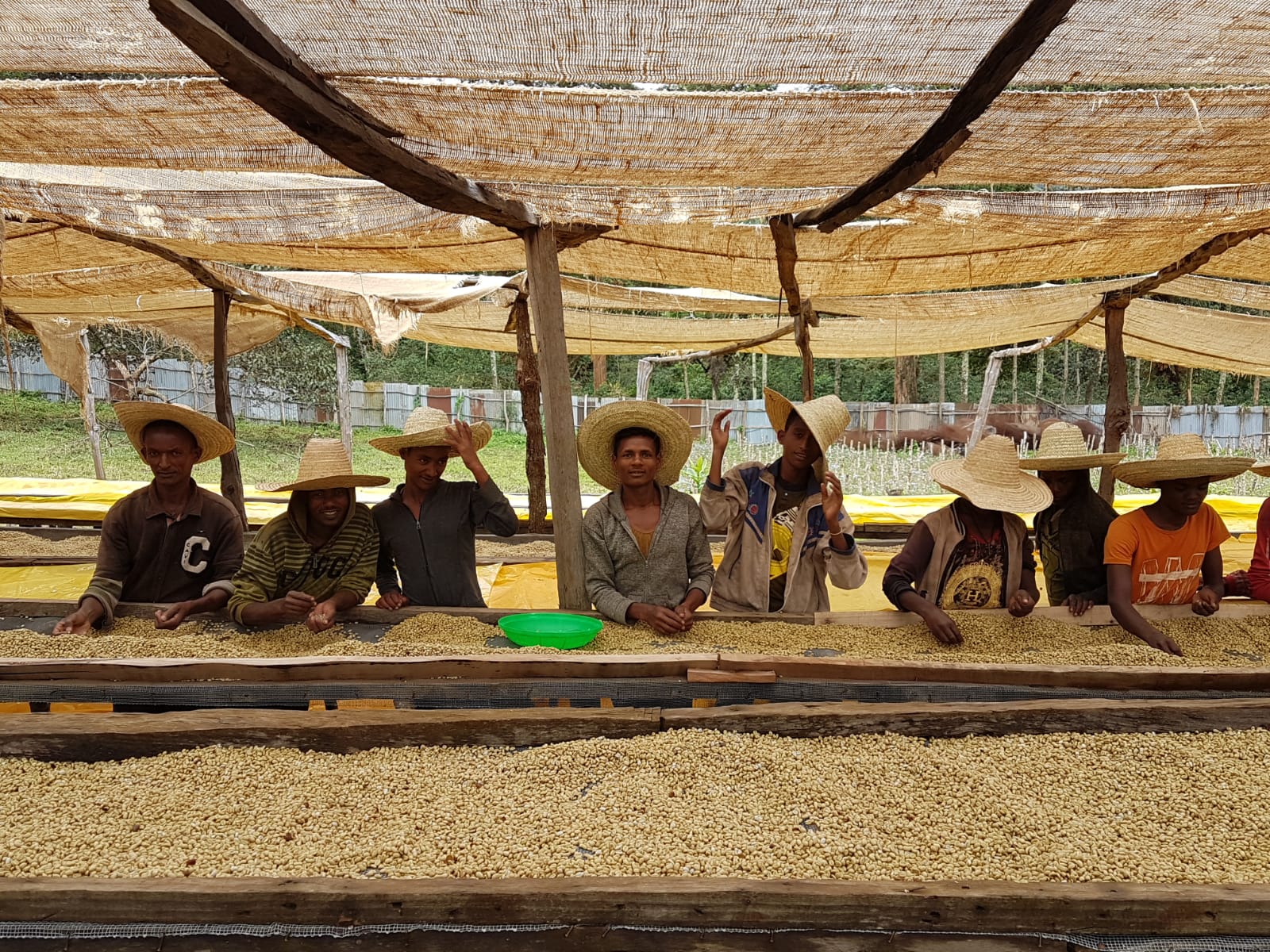 dy progress, practical innovation, and strong community connections. When Gidhe Berhe created Limmu Kossa in 2000, he did so to contribute to the region. He knew coffee could offer opportunities, but understood he was a foreigner from another part of Ethiopia entering a land of proud and independent Oromo people.
So, Gidhe went beyond just farming coffee. He cared for the native trees and nurtured the soil to create a regenerative environment. This is one of the few coffees from This Side Up that comes from a native forest, and the only one that comes from the birthplace of coffee, Jimma. All fertilizers used come directly from within the land and are created on site, without any other inputs. Gidhe also helped develop a local economy that benefited the community by providing seedlings and support to neighboring farmers who now export internationally for the first time. He helped build community projects like schools, churches, medical centers, and roads, all based on what the villagers requested. This commitment to quality and community earned Gidhe the title “Abba Ollie,” meaning “he who uplifts.” His farm respects the land and people, supporting nearby farmers to improve their practices and access specialty markets.
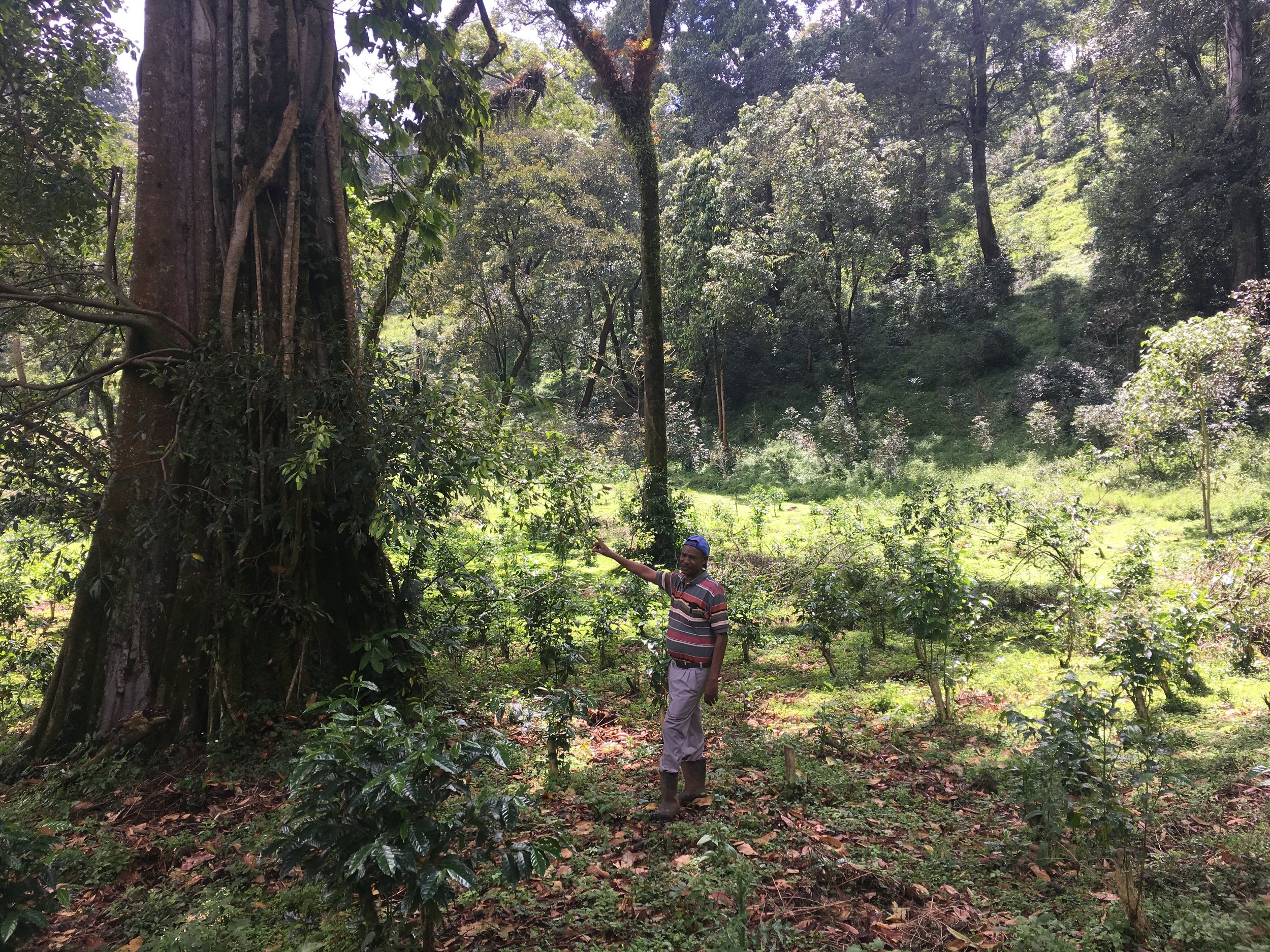 Since 2017, they have worked closely with Limmu Kossa, supporting micro-lot programs and community projects like on-site cupping labs and Q-grader training for local youth. In 2020, Gidhe expanded efforts to Sheka, a biosphere reserve protected by the UN, where they also source coffee for the 2024 season.
Pricing
Price Breakdown (/kg)
For us, sourcing coffee isn’t just about finding the right flavour, but more about finding the right people. We want to work with importers who are interested in building lasting relationships with the farmers and stay involved beyond the harvest. For this coffee, we’ve partnered with
This Side Up. They represent producers directly, support long-term systems, and make sure pricing reflects the real work behind each lot. Their model is built on transparency, shared ownership, and a refusal to let commodity pricing define value. We pay more, but we know where it goes. That’s how we prefer to source our coffee.
€10.34
€10.74
How is this built up?
The costs shown are a mix of exact prices and averages across coffees from the same partner. The total is an estimate and differs from the price paid by roaster, which is shared transparently.
€4.86
€1.83
€24.39
€0.98
€0.75
€0.06
€1.65
Related products
Argote Washed
€13.00 – €46.80
Churupampa
€12.00 – €43.20
Surprise coffee
€12.00 – €43.20
Fausto Romo
€22.00 – €79.20
Gloria Ruby Peaberry
€13.00 – €46.80
Sironko
€14.00 – €50.40
Suke Quto Natural
€14.00 – €50.40Argote Peaberry
€16.00 – €57.60
Argote Pink Bourbon
€16.00 – €57.60
Keramo Washed
€17.00 – €61.20
Kianamui
€14.00 – €50.40