Bant Sawk
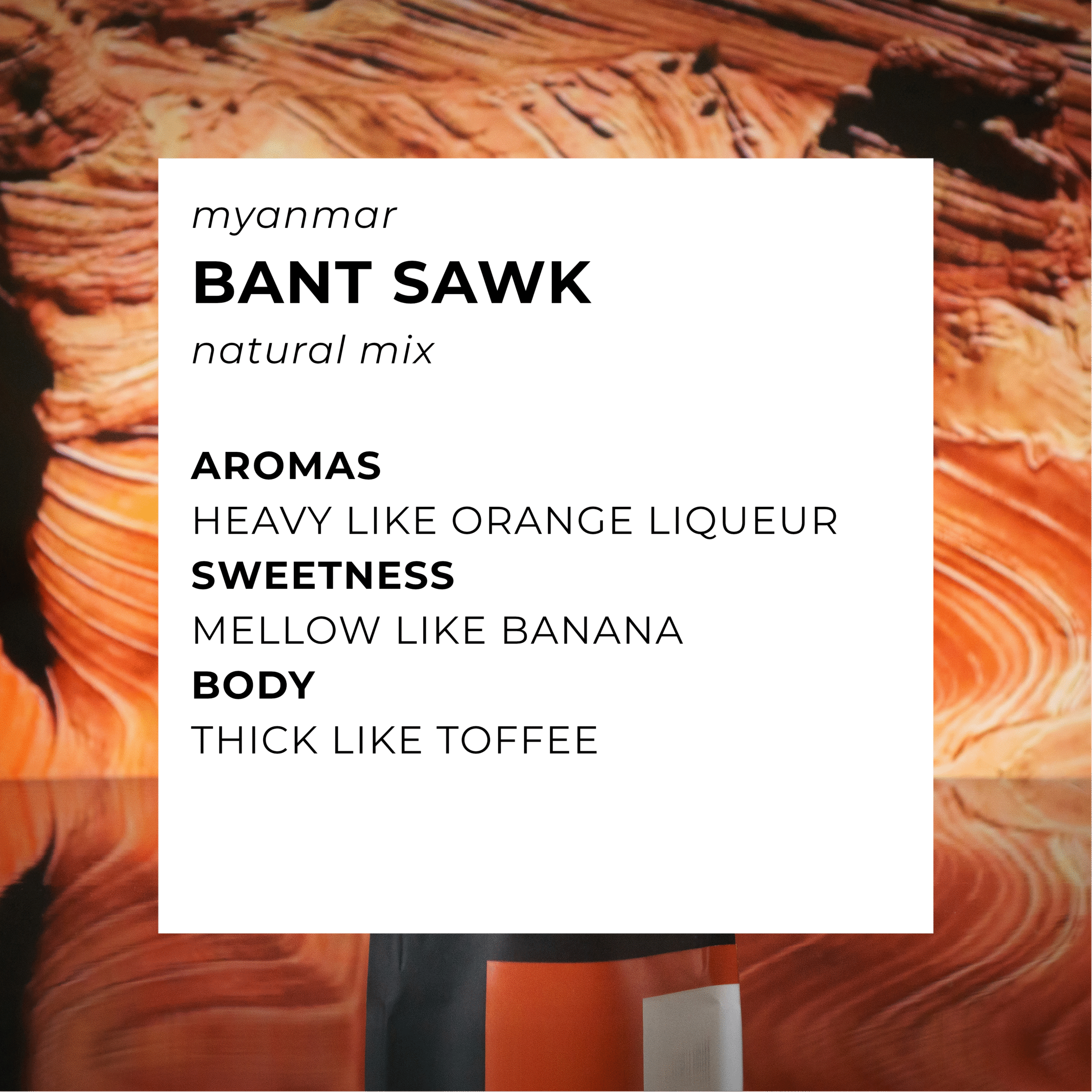
Myanmar – Natural mix. Heavy aromas like orange liqueur. Mellow sweetness like banana. Thick body like toffee.
Bant Sawk
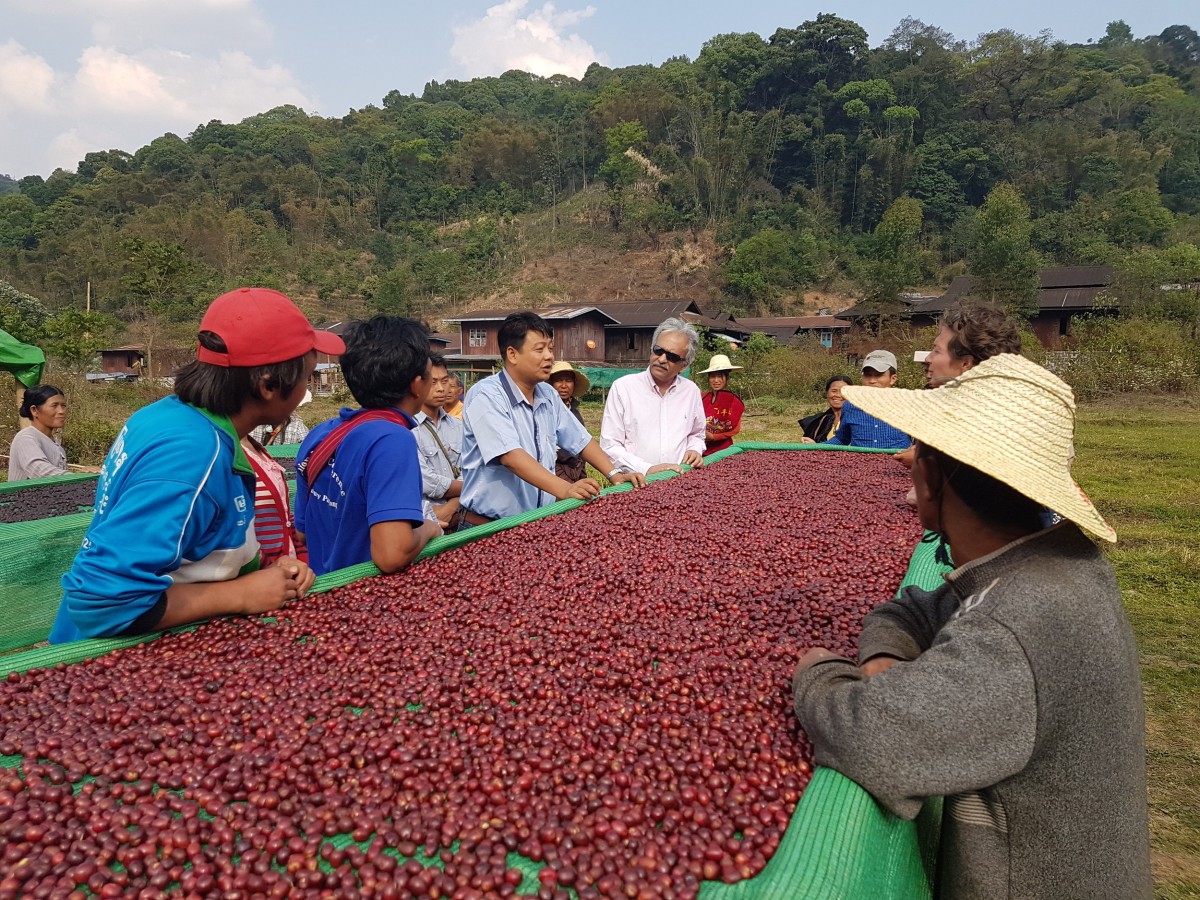
Fed up with oppression by opium drug lords and local authorities, this farmer group embraced specialty coffee to collectively pave their road to independence.
Region: Taunggy, Southern Shan, Myanmar
Altitude: 1,100 – 1,600 m.a.s.l.
Variety: Arabica S – 765, Catimor, Caturra, Catuai, Bourbon
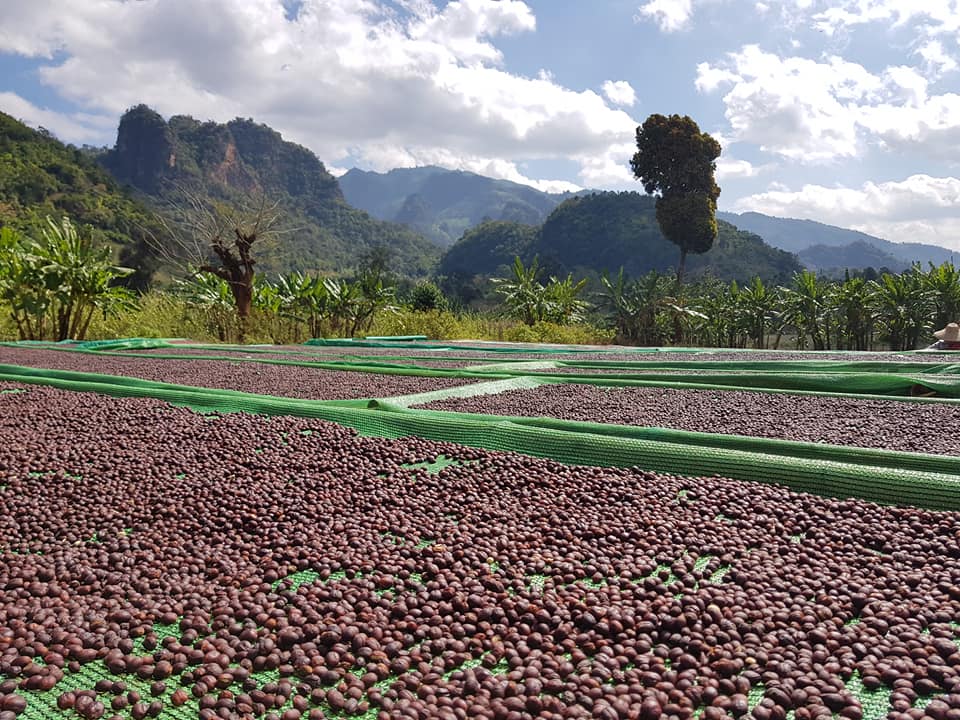
Processing: natural, dried on raised beds
Additional information
| Weight | N/A |
|---|---|
| Region | Taunggy, Southern Shan, Myanmar |
| Height | 1,100 – 1,600 m.a.s.l. |
| Variety | Arabica S – 765, Catimor, Caturra, Catuai, Bourbon |
| Processing | Natural, dried on raised beds |
| Flavour | Sweet and floral aromas like candied orange. Funky, winey taste like strawberry and banana. Thick body like spiced toffee. |
Jelle's Notes
The most remarkable thing about this coffee is that it exists at all. Myanmar has been a challenging country to trade with for years, and last year was especially tough. During harvest season, farmers had to hide from gangs, bullets, and political unrest. No one expected them to bring any coffee to market, and many thought it was the end of the season. But somehow, against all odds, they managed to produce and export the coffee.
Bant Sawk was one of the first coffees I ever worked with, and I’ve been roasting it for six years now. The first year, they produced only about five bags. Now, production has grown to around eighty. It’s always been tricky to roast, but it’s generally sweet, not too acidic, and works perfectly as an everyday espresso.
Producer
Bant Sawk village was founded by two ethnic Shan families. The Shan are the largest minority group in Myanmar and their village sits in a valley between two mountains called Lwel Mai and Mel Nel. Originally, it was named Want Sawk, with “Want” meaning valley and “Sawk” meaning mountain corner. Twenty years later, ten Pa O families arrived and built a monastery that brought the village together. The monk in charge renamed the village Bant Sawk.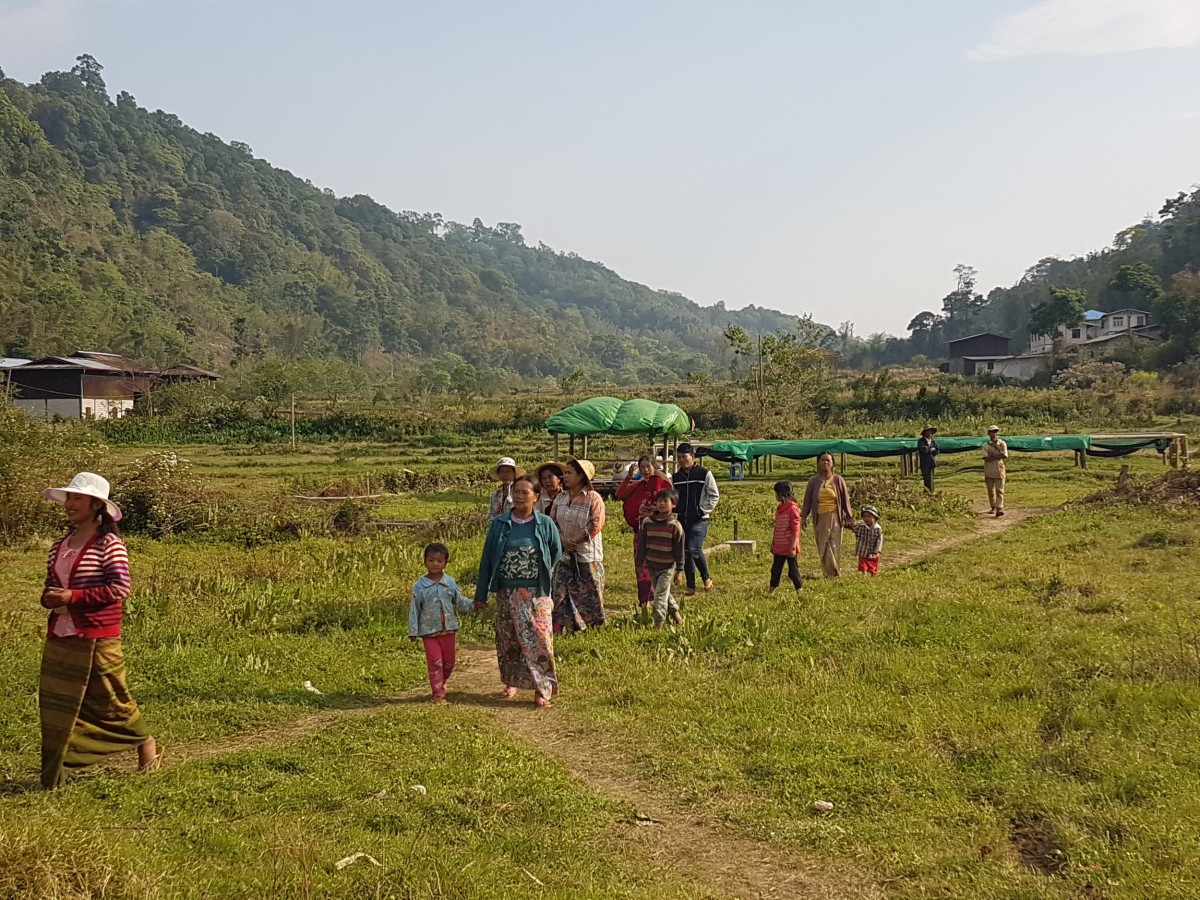
The area’s natural conditions made it perfect for growing poppies, so that is what the families did as it was more lucrative than coffee. But poppy farming was exhausting, dangerous, and stressful. Farmers faced constant threats, extortion, hiding their harvests, and the fear of losing a year’s work to police or thieves. Since poppies must be replanted every year, securing a future for families and communities was uncertain.
Then Khun Saw Tun Aung and Khun Win Maung, founders of Indigo Mountain, approached Bant Sawk with an opportunity to grow coffee instead. Indigo Mountain believes coffee can change lives by becoming a project farmers truly own and invest in for the long term.
 In 2014, the United Nations began efforts to eradicate poppy farming in 2014 by launching a programme to support the replacement of poppy plants by coffee. Through this, Khun Saw Tun Aung and Khun Win Maung sought resources and technical training to improve coffee quality and sell it internationally.
Back then, most coffee was sold cheaply to Thailand and many farmers doubted coffee could replace poppy, unsure who would buy their beans.
Bant Sawk became Indigo Mountain’s first farmer partner. Today, over one hundred households in eleven villages grow coffee. Khun and the Indigo Mountain team support them with climate-resilient practices, technical help, processing, and quality assistance. Challenges remain, such as farmers leaving for Thailand, competition with smugglers, and political issues. Still, coffee farming has become a viable alternative to poppy, providing a good income and a sustainable livelihood.
Pricing
Price Breakdown (/kg)
For us, sourcing coffee isn’t just about finding the right flavour, but more about finding the right people. We want to work with importers who are interested in building lasting relationships with the farmers and stay involved beyond the harvest. For this coffee, we’ve partnered with This Side Up. They represent producers directly, support long-term systems, and make sure pricing reflects the real work behind each lot. Their model is built on transparency, shared ownership, and a refusal to let commodity pricing define value. We pay more, but we know where it goes. That’s how we prefer to source our coffee.
€12.22
How is this built up?
€6.16
€2.08
€0.73
€0.82
€0.06
€1.65
Related products
Coffee subscription
From: €12.00 / month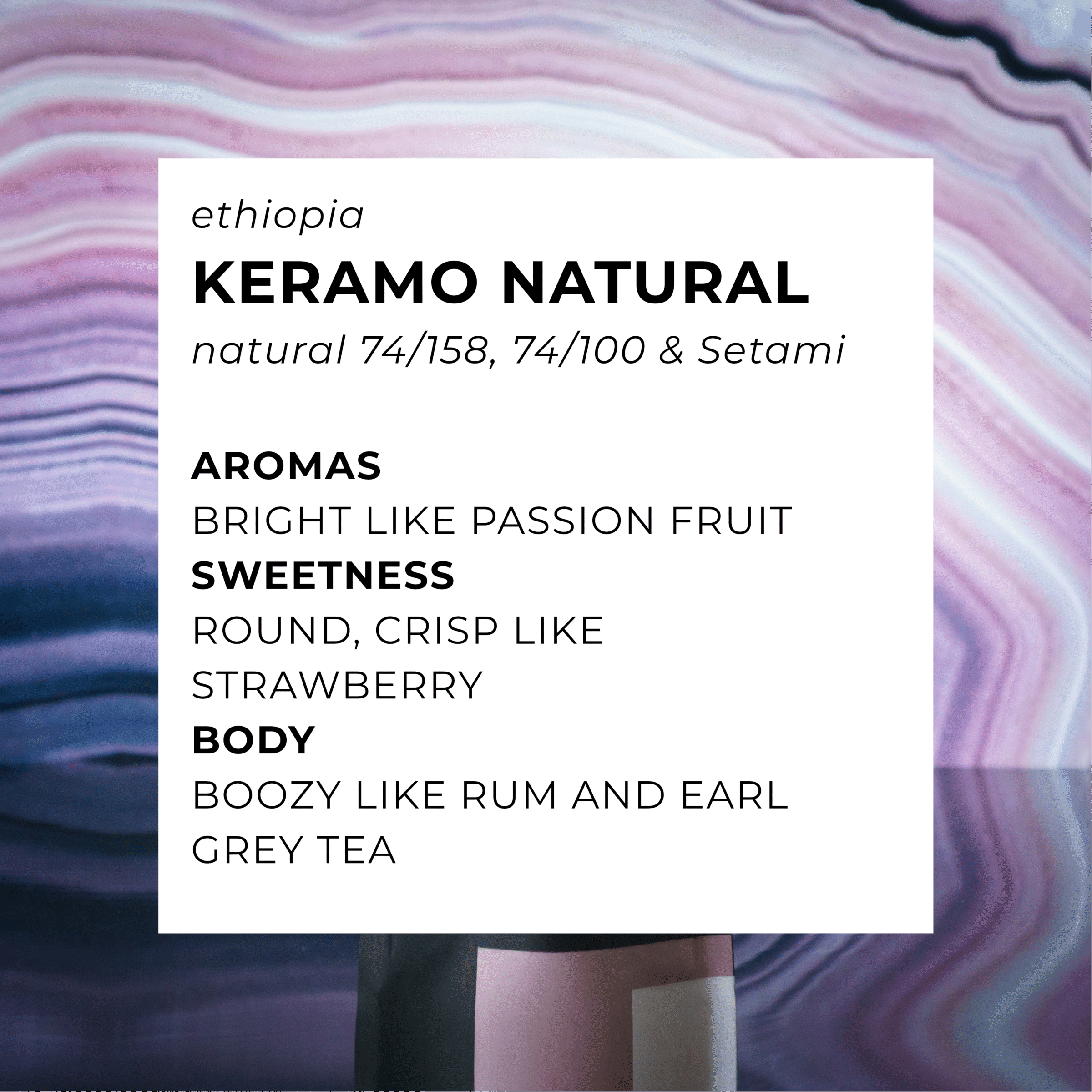
Keramo Natural
€17.00 – €61.20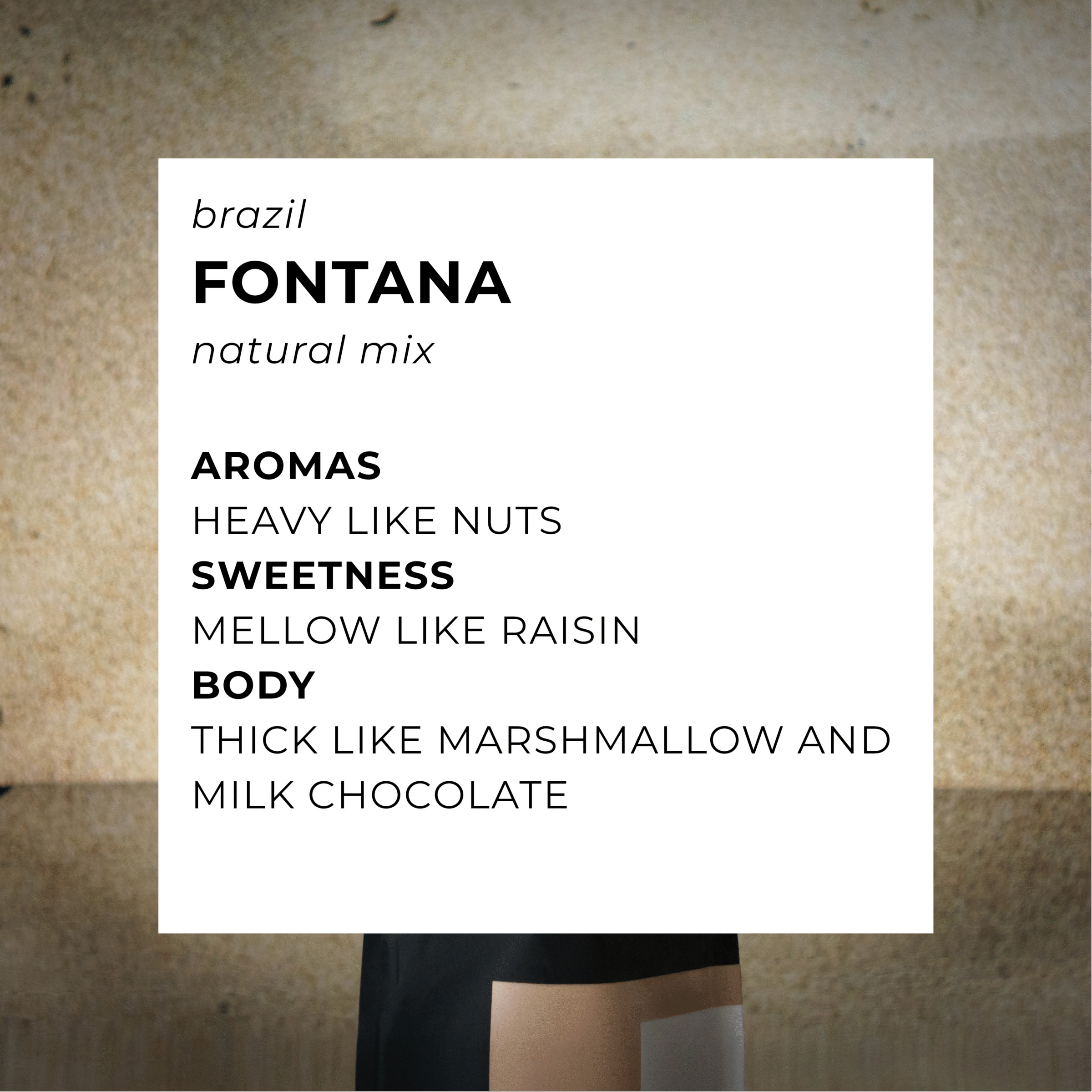
Fontana
€11.00 – €39.60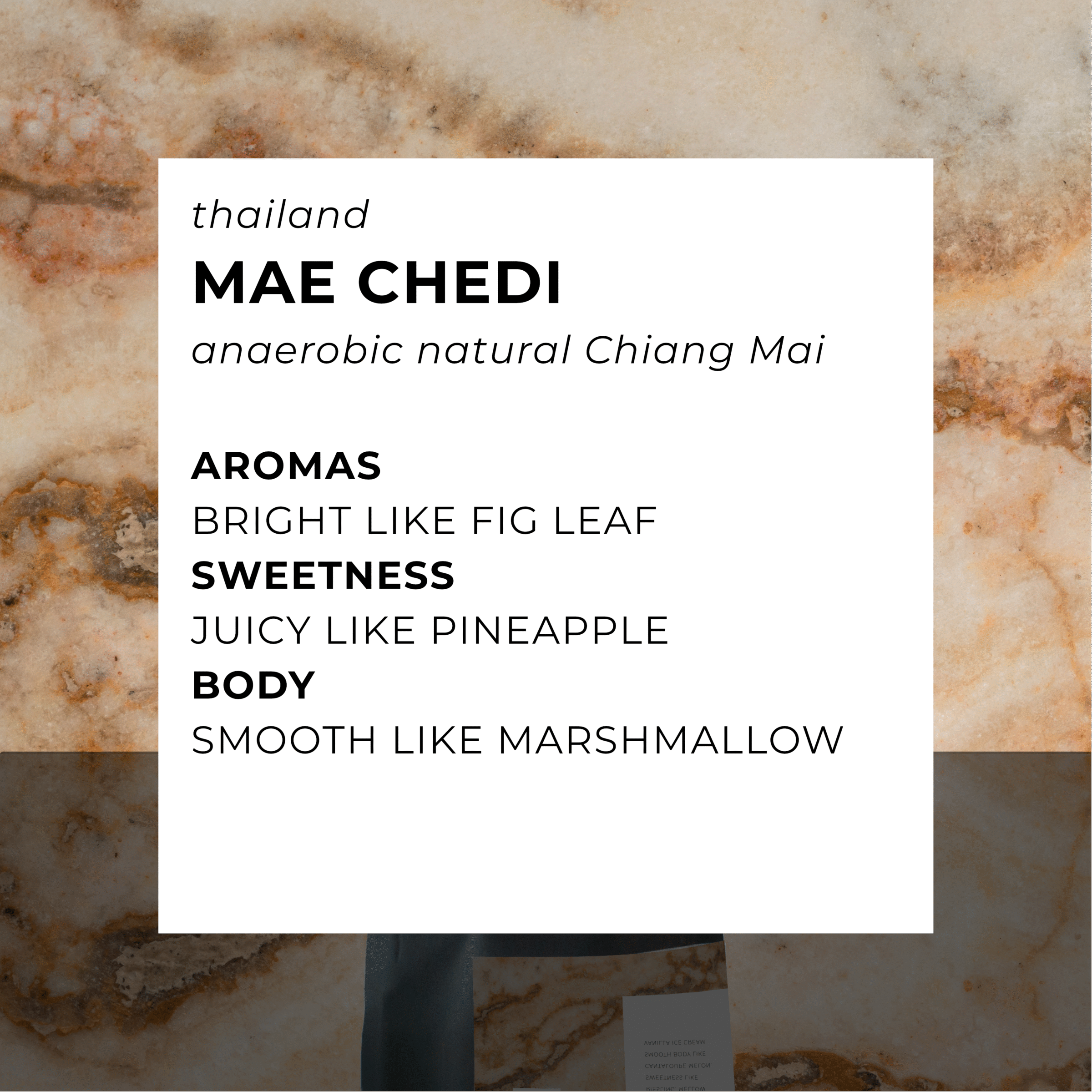
Mae Chedi
€19.00 – €68.40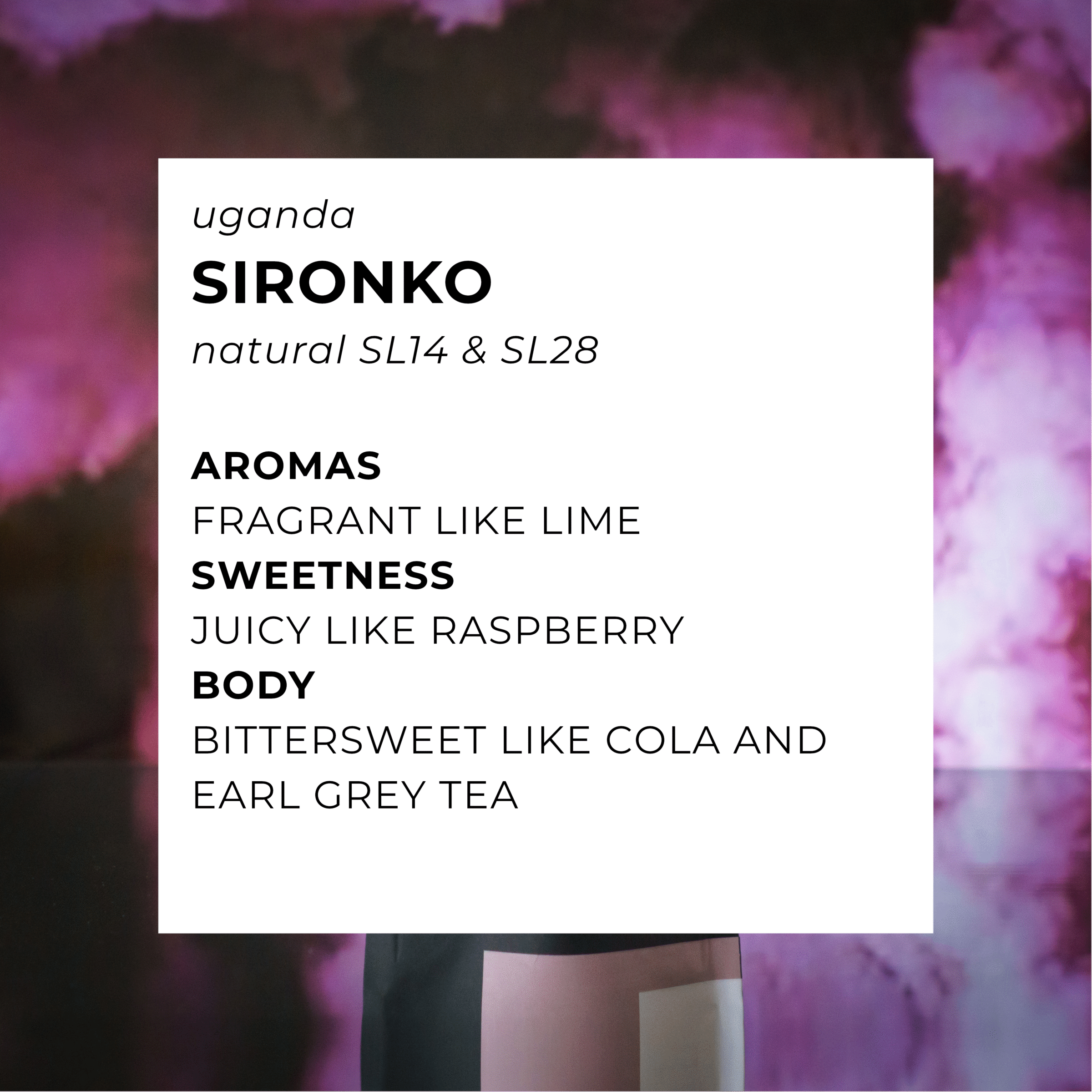
Sironko
€14.00 – €50.40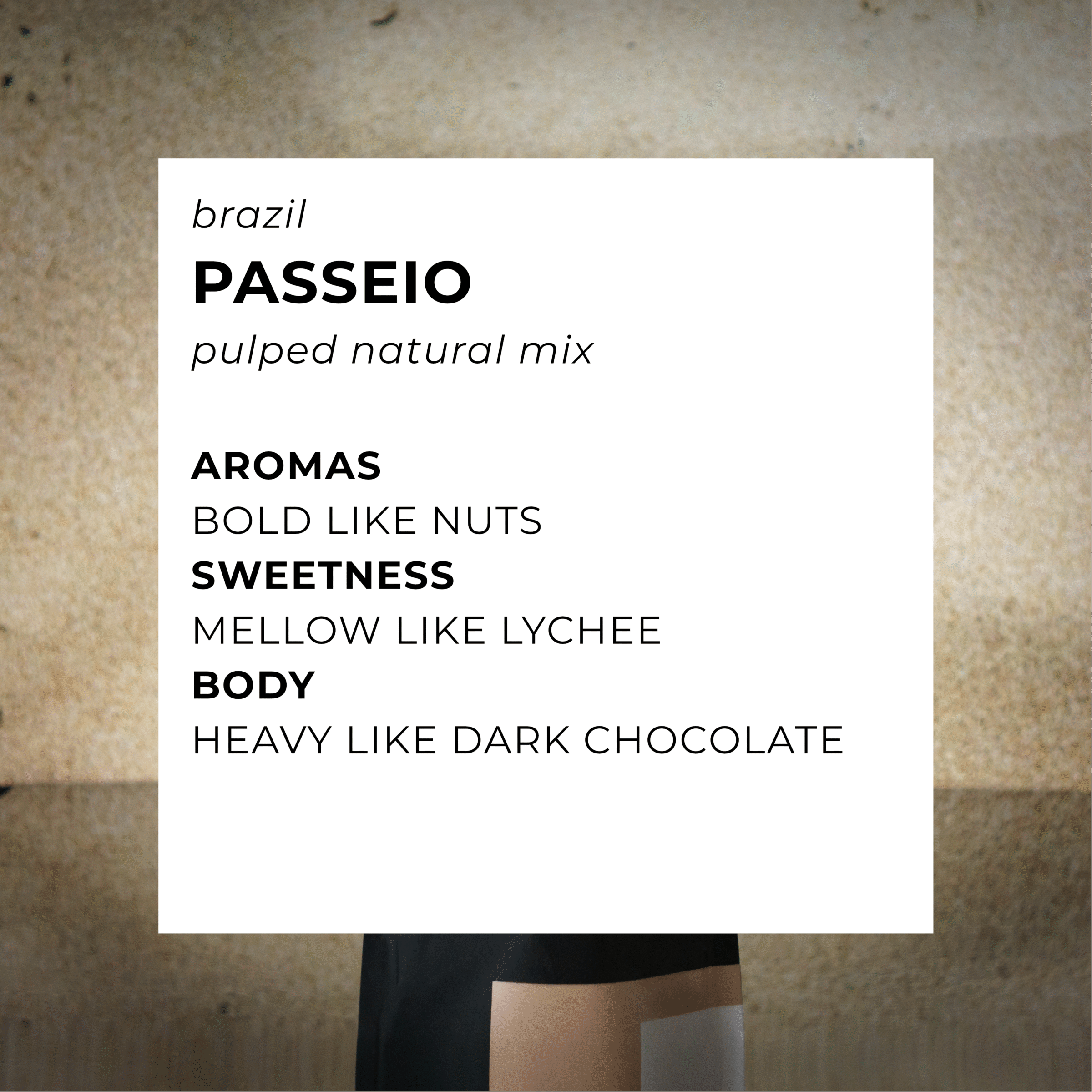
Passeio
€11.00 – €39.60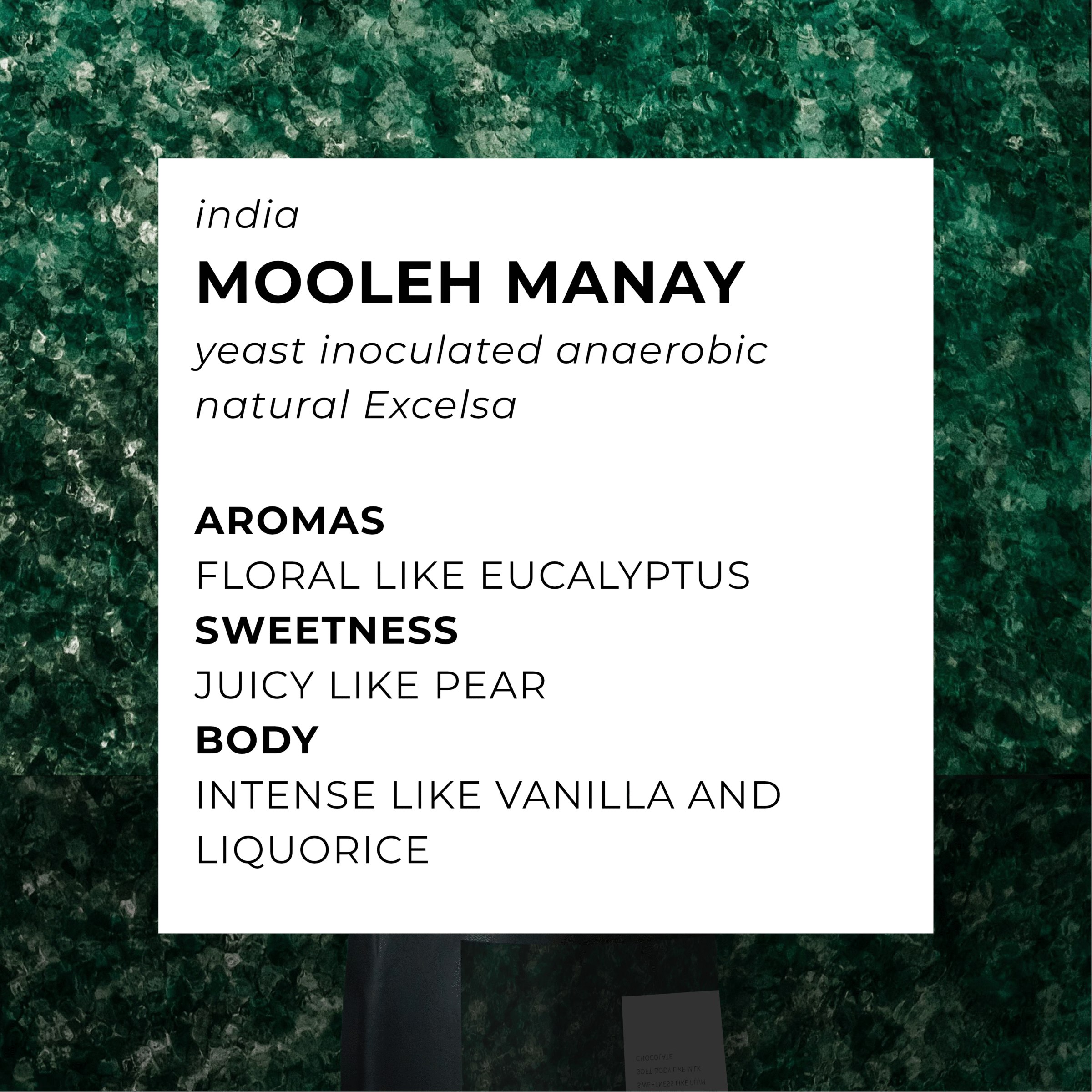
Mooleh Manay Excelsa
€25.00 – €90.00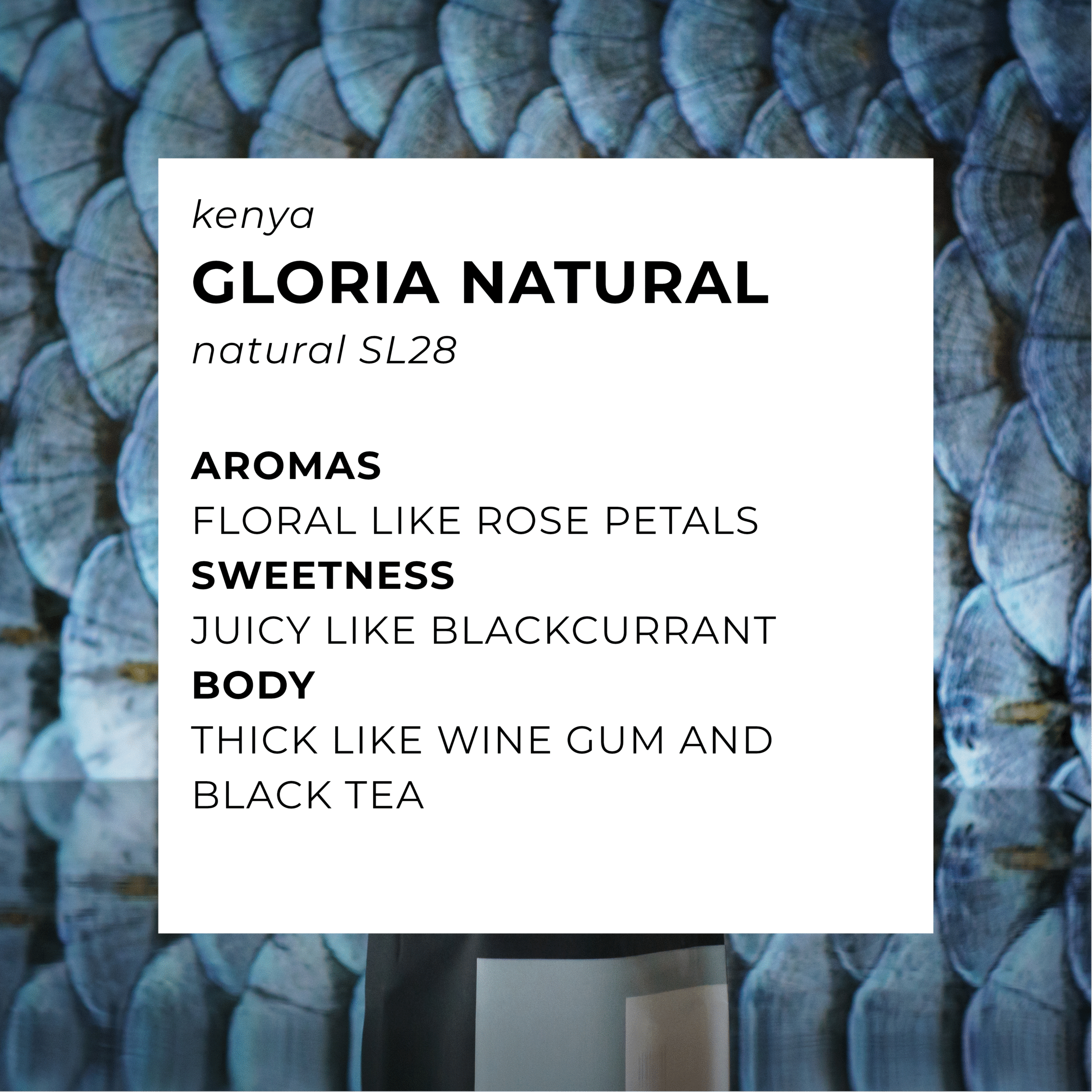
Gloria Natural
€13.00 – €46.80
Surprise coffee
€12.00 – €43.20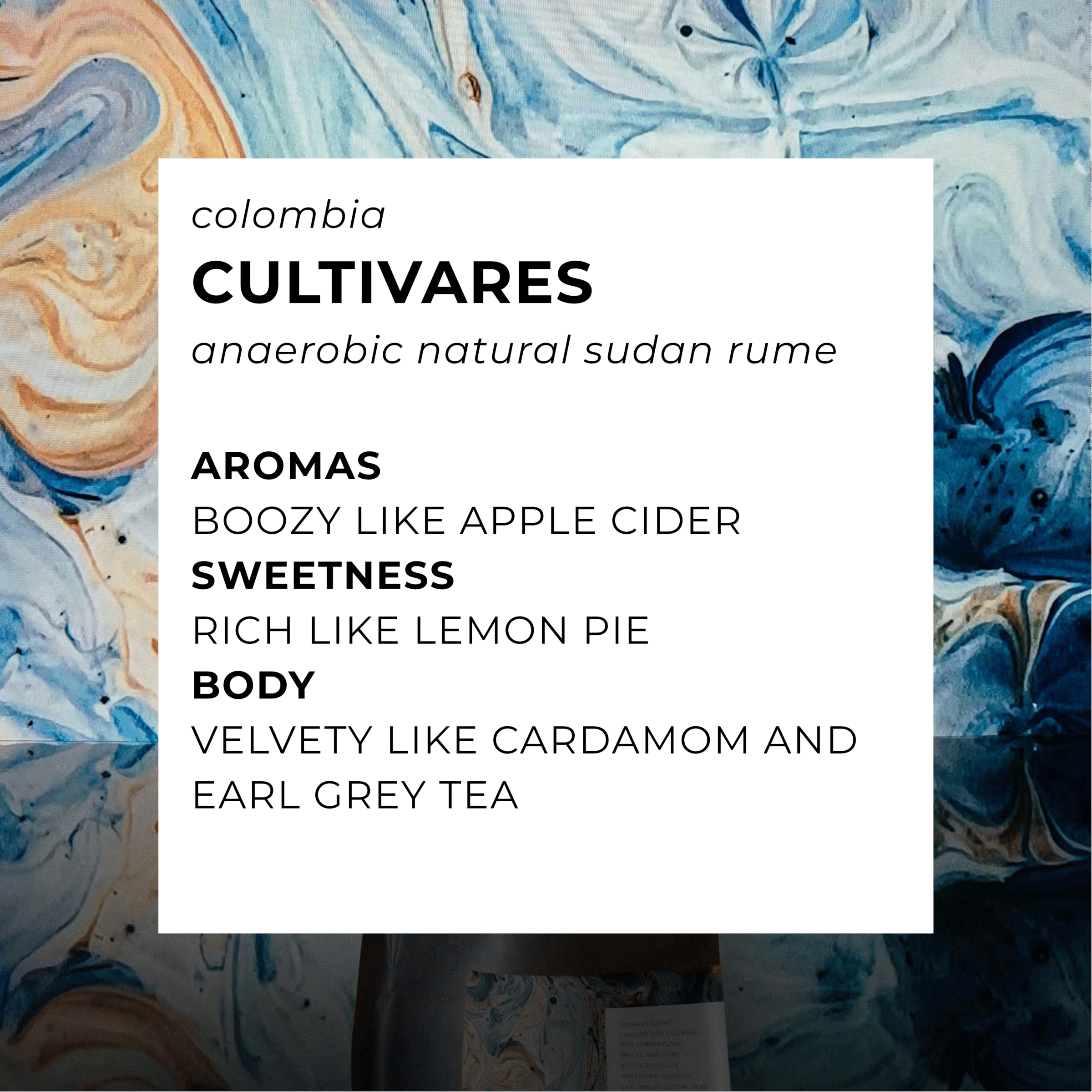
Cultivares
€24.00 – €86.40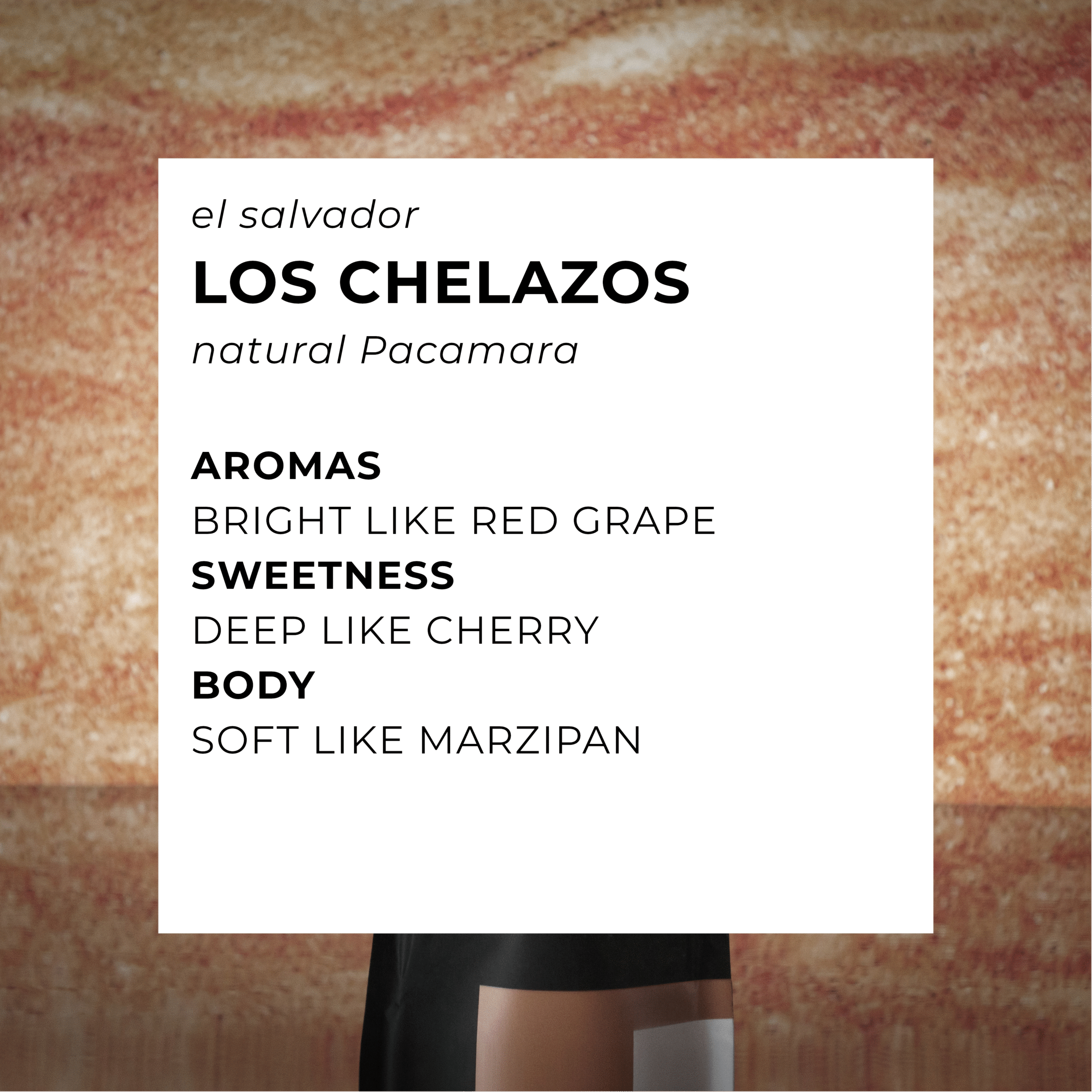
Los Chelazos
€15.00 – €54.00