Argote Lactic Anaerobic
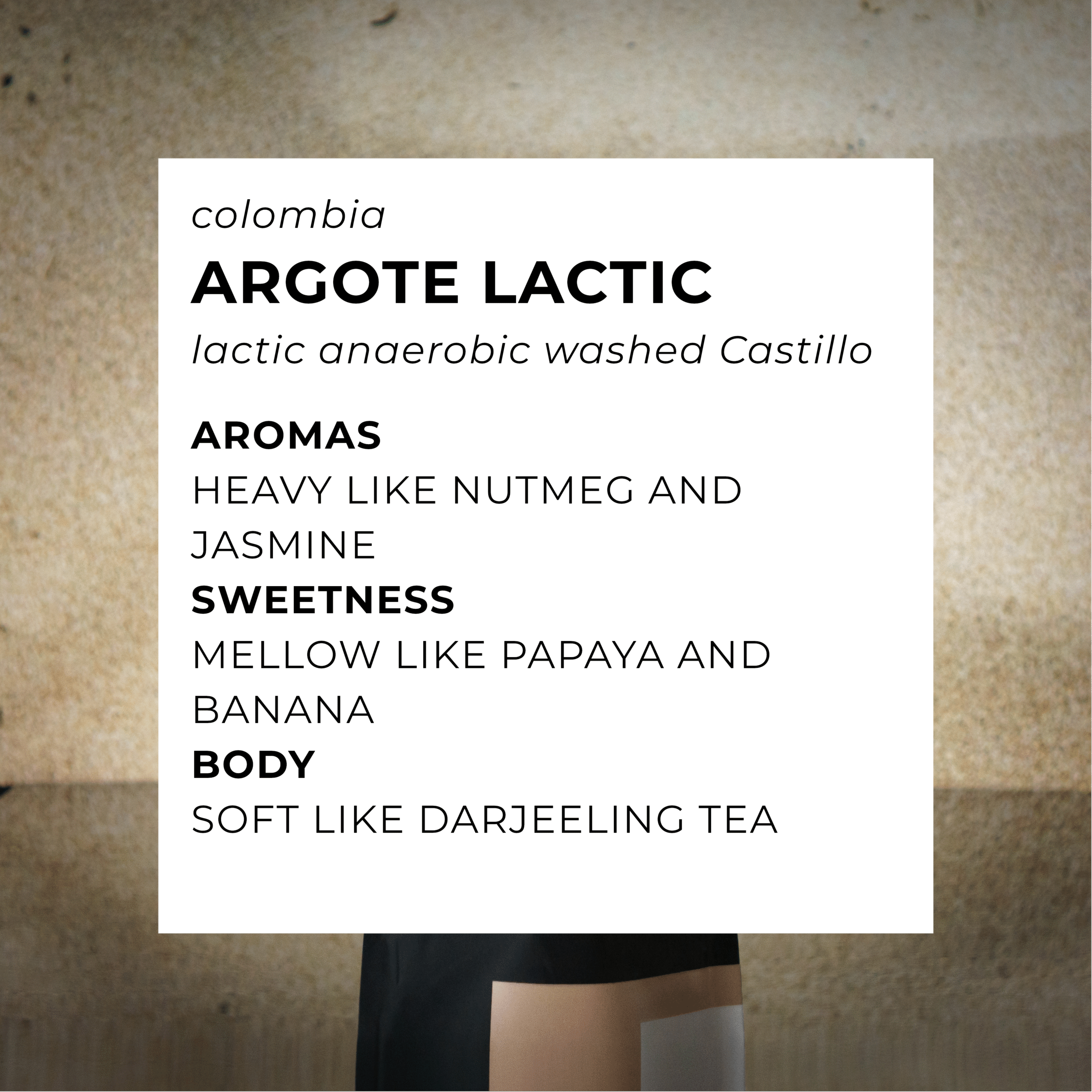
Colombia – Lactic Anaerobic Castillo. Heavy aromas like nutmeg and jasmine. Mellow sweetness like papaya and banana. Soft body like Darjeeling tea.
Argote Lactic Anaerobic
Shokunin exclusive
After extensive fermentation classes and experiments, Juan Pablo started actively controlling his coffee’s fermentation.
Region: Nariño, Colombia
Altitude: 1,950 – 2,000 m.a.s.l.
Variety: Castillo
Processing: Depulped, 8 days anaerobic fermentation with 2% salt to a pH of 3.6
Additional information
| Weight | N/A |
|---|---|
| Region | Génova, Nariño, Colombia |
| Altitude | 1,950 – 2,000 m.a.s.l. |
| Variety | 90% Castillo, 10% Caturra |
| Processing | 3 x 24hr fermentation, dried on raised beds. |
| Flavour | Bright aromas like nutmeg and elderflower. Intense sweetness like red berry and blackcurrant. Very light body like Darjeeling tea. |
Jelle's Notes
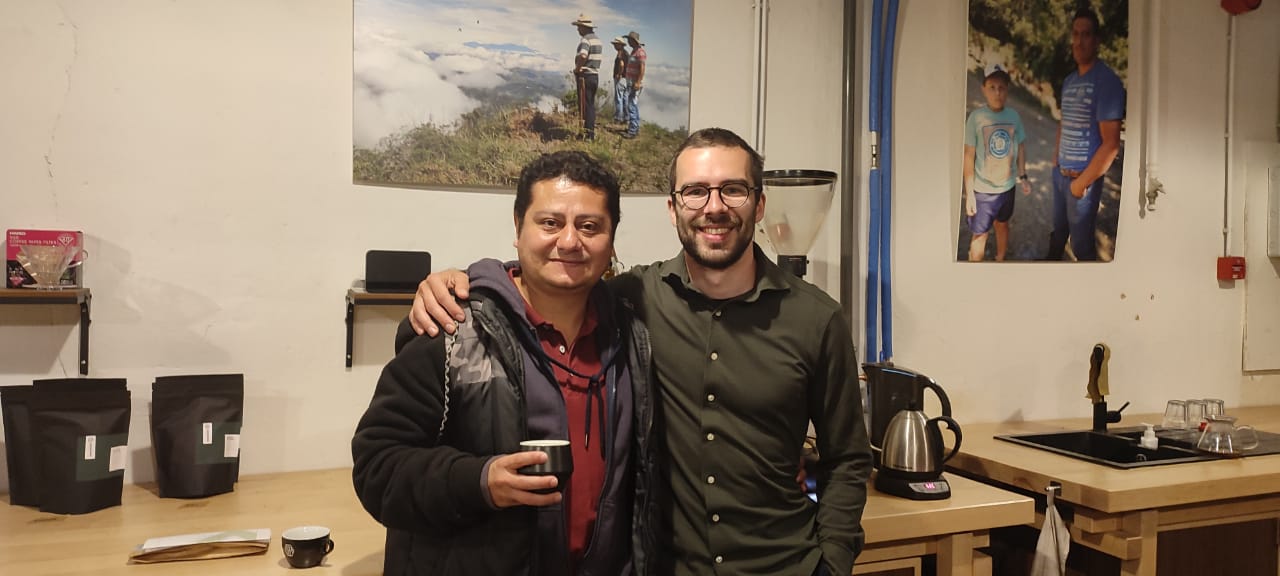 The collaboration with the Argote family is one of my longest and most important producer relationships. It started before I even knew the farm, when my sister Aukje visited as part of the first Field Barista Project delegation in 2016. Her stories planted a seed, and it was clear from the way she described it that Juan Pablo was genuinely open to outside ideas and collaboration.
My personal involvement started a couple of years later through This Side Up, when I was introduced to Efraín, Juan Pablo’s father. At the time, they were only producing washed coffees, but I could immediately see there was room to do more. The quality and consistency were already there, so it was really just a matter of convincing Efraín to try new processing methods. I did that by offering a guaranteed purchase of the harvest to back my belief in what was possible, and those first experiments proved us right.
Over the years, Juan Pablo has taken that momentum and genuinely invested in his own development, taking formal courses in coffee processing to deepen his understanding. That dedication shows. He has become a true expert, someone who experiments constantly, measures carefully, and learns from every batch. By mastering different fermentation techniques, he can steer the same cherries in completely different directions, from clean and classic to layered and expressive. The Juan Pablo Super Special is a clear example of what that looks like in the cup. It evolved from his own pH-based experiments and ended up fermenting for 23 days, which gives you a sense of the precision and curiosity he brings to every lot.
That curiosity extends beyond his own farm, too. Juan Pablo shares what he learns with the farmers around him, helping the whole community improve, and the results are tangible. With the same volume of cherries, he now earns significantly more, simply by unlocking more value through processing. After nearly a decade of working together, that’s what I’m most proud of.
Producer
The Argote family’s connection to coffee in Nariño goes back generations. It was Juan Pablo’s great-great-grandfather, Raimundo, who first brought coffee seeds to the region, planting the crop that would come to define the local economy and culture. Lucho Lasso Argote started the farm we know today, and it has passed through the family ever since, eventually coming to Efraín, Juan Pablo’s father.
Efraín built the farm into what it is today, a tightly run operation with serious quality protocols and deep roots in the local community. He was the one who first opened the door to experimentation, and his willingness to trust new ideas despite uncertainty is what made the early collaboration possible. In February 2021, Efraín passed away after a short struggle with Covid-19. He was a generous and warm presence, and his influence on the farm, the community, and on Shokunin’s approach to direct trade is still felt to this day.
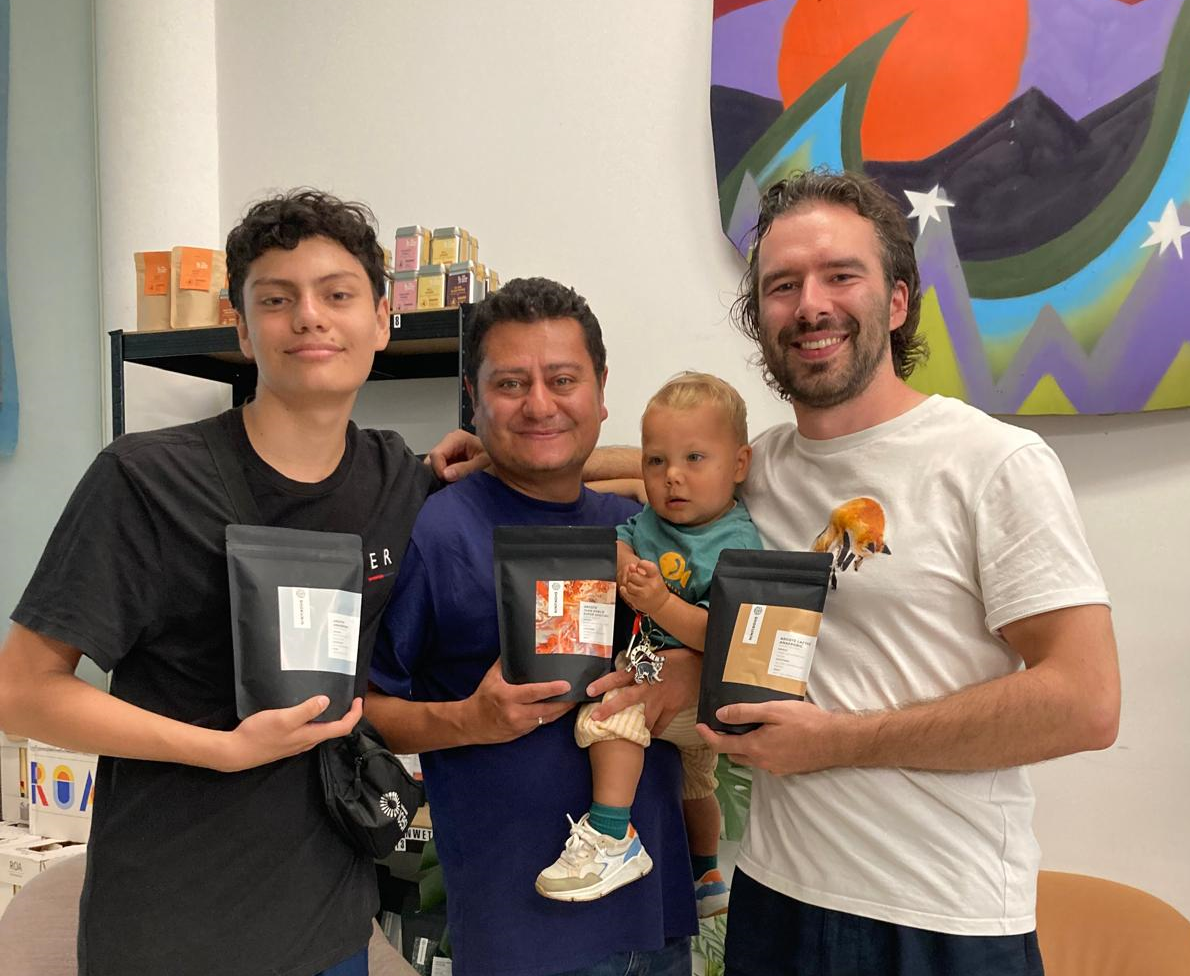 Juan Pablo has carried that spirit forward, working not just on his own plots but with the farmers around him, sharing knowledge and helping neighboring producers improve their processing. The Argote family is now well known in Nariño for this, and the collective they have built continues to grow. With over 90 percent of the local population depending on coffee for their income, the work Juan Pablo does to raise quality and share skills has real consequences for the whole region.
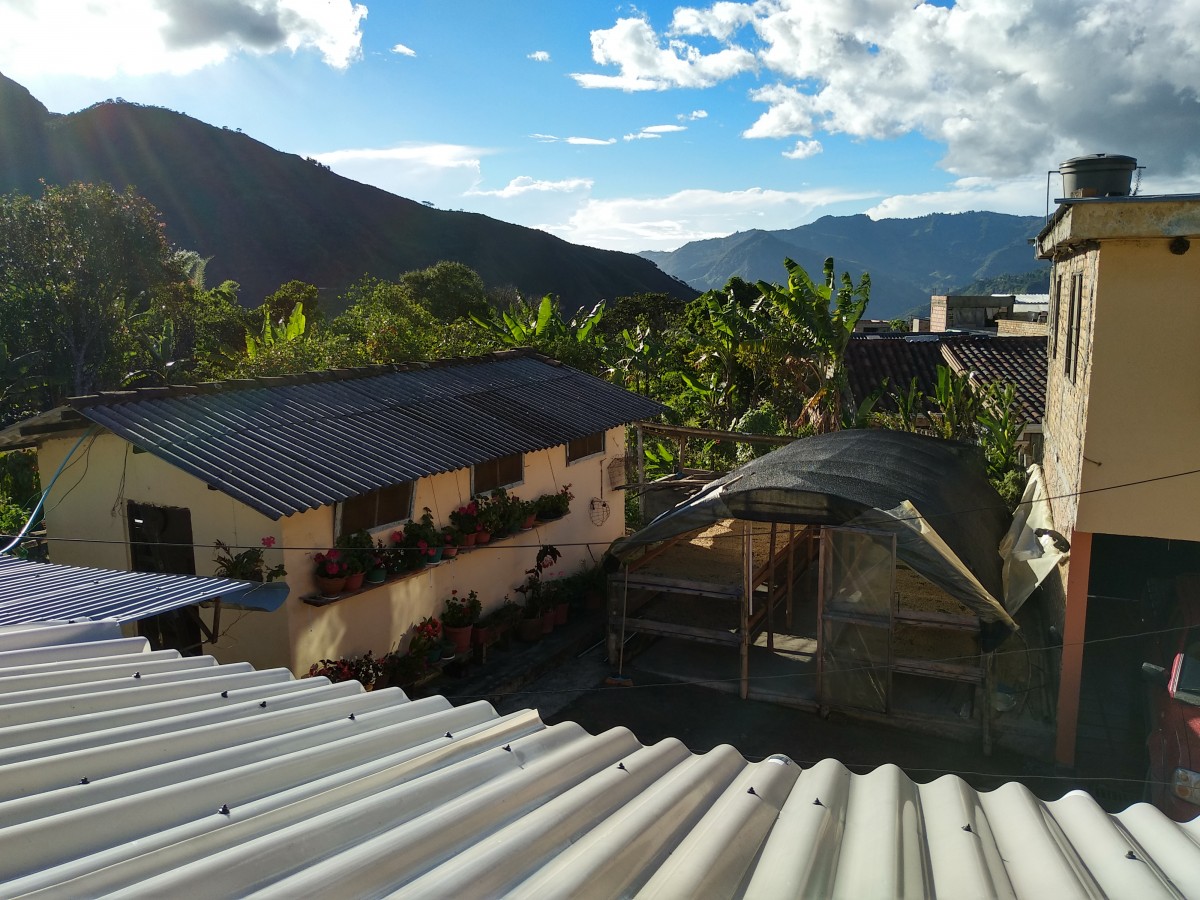
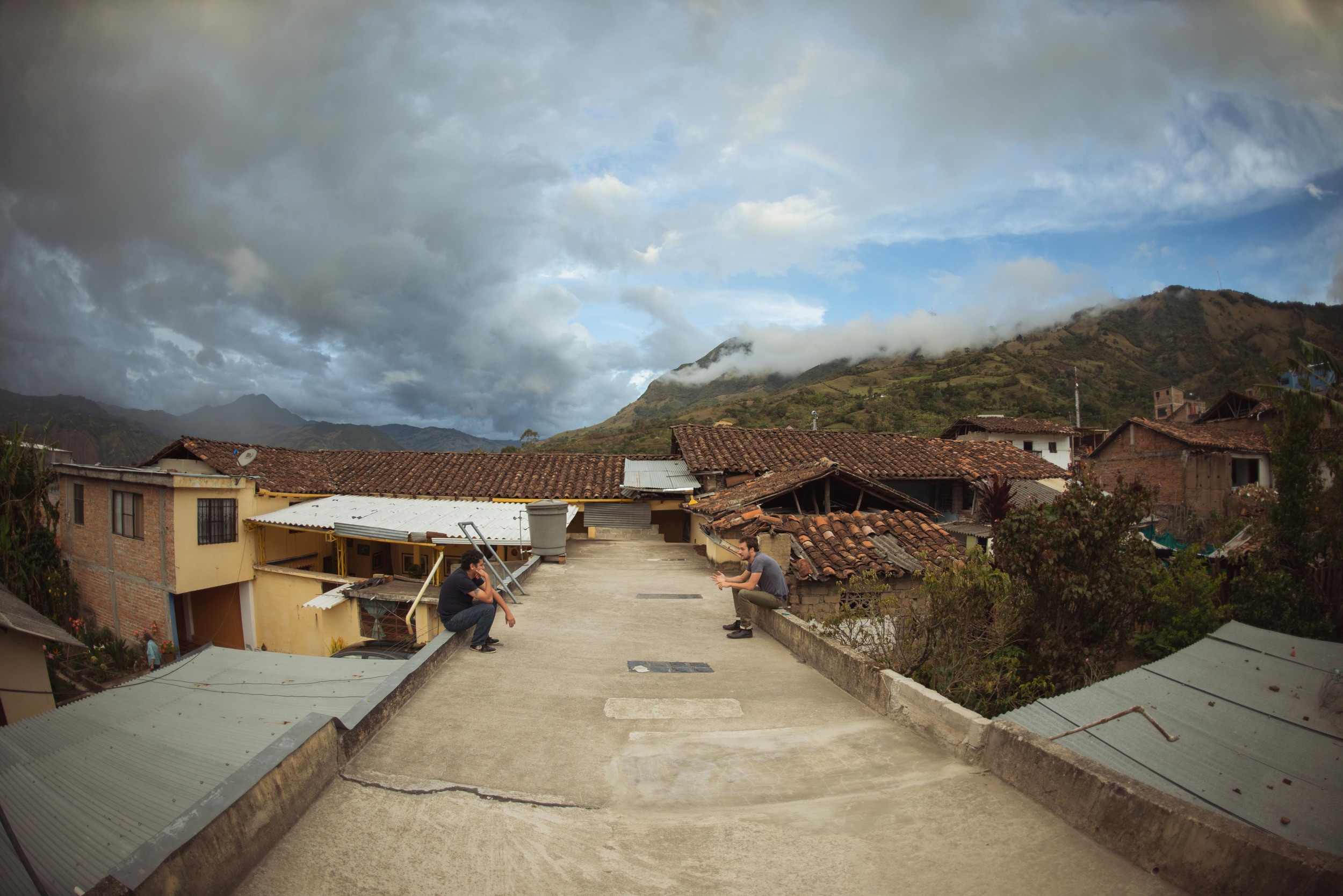
The farm has evolved significantly in recent years. Until a couple of years ago, Castillo was the main variety grown across the two plots, La Vega and the family’s central land in Genova, Nariño. Since then, Juan Pablo has planted a range of new varieties, including Pink Bourbon, SL28, Sidra, Bourbon Ají, and Laurina. Most recently, Shokunin has invested in Gesha seeds to be planted on the La Casa plot, of which we will reap the fruits in 2028. What started as a single farm producing washed coffee has become one of the most diverse and carefully managed specialty operations in the region.
Key Achievements
2016
A group of Dutch coffee specialists visited the Argote farm through This Side Up’s Field Barista Project, including Aukje van Rossum, Jelle’s sister. The visit marked the beginning of a direct exchange of knowledge and the start of a working relationship. Work also began on cascara as a viable export product.
Juan Pablo visited the Netherlands for the first time, to experience his coffee as a finished product and to meet roasters and baristas firsthand.
2017
First fermentation experiment with Shokunin, testing the effect of different fermentation times on flavour. Four lots were made: two at 18 hours (one dried on patio, one on raised beds), one at 42 hours, and one at 66 hours.
Cupped coffees produced by Argote’s own pickers. The best lot, from picker Iveth Muñoz, was rewarded with a $1/kg premium.
2018
Third Field Barista Project. Jelle travelled to Colombia to work on the new harvest alongside Juan Pablo. New processing experiments were discussed and executed, including the Cherry Fermentation and the Kenyan Wash. Meetings and cuppings were organised to extend the specialty network across Nariño and Cauca.
The entire La Vega lot was reserved for Shokunin, with a $1/kg quality premium tied to cherry picking quality. Of that premium, 35 cents went directly to the pickers, a 40 percent pay increase. The remaining 65 cents went to Efraín, who used it to expand the farm’s drying capacity.
Juan Pablo and Jelle met at World of Coffee in Amsterdam, where his coffee was served at the Colombian Coffee Federation booth. Seeds of two new varieties, Red Bourbon from Rwanda and SL28/34 from Kenya, were given to Juan Pablo to plant on a new piece of land.
The full quality premium of $1.50/kg was paid in advance to fund ongoing projects. A nursery was built for new and exotic varieties. Shokunin reserved the remainder of Efraín Argote’s harvest, meaning all coffee from Efraín and Juan Pablo would go exclusively to Shokunin, allowing for tighter quality control and more room for future projects.
2019
Shokunin funded the full investment in new drying beds, large enough to dry the farm’s entire production. Previous comparisons had shown this dramatically improves shelf life. A second tank was also built above the depulper, used for sorting floaters and fermenting larger batches of the Cherry Ferment microlot.
Jelle visited the farm to review the previous year’s improvements and plan the new harvest. Six different microlots were developed for that crop.
2021
Juan Pablo ran his own extended anaerobic fermentation experiments, guided by pH measurements. The result was the first Juan Pablo Super Special, fermented for 23 days in total. Years of experimentation and investment in processing came together in this lot.
2022
The Alcoholic Anaerobic microlot from the previous harvest had come out with slightly too much body and not enough acidity. Juan Pablo was asked to ferment it a little longer. He targeted a pH value 0.1 lower than before, and the result was exactly right.
2024
Juan Pablo visited the Netherlands. He and Jelle tasted through all the processing methods together to plan the next steps. The Lactic Anaerobic had improved significantly. Juan Pablo explained he had used 3 percent salt instead of 2 percent. The decision was made to continue with 3 percent going forward.
2025
A prefinancing investment of €2,600 was made to Juan Pablo at La Vega to support the planting of new coffee varieties. The investment will mature over the coming years as the plants grow, opening up new flavour possibilities for future harvests.
2026
A second prefinancing investment was made to support the renewal of La Casa, where the Gesha seeds will be planted. During Juan Pablo’s visit to the Netherlands, we tasted the new version of the Natural together. Juan Pablo now exclusively uses the Colombia Amarillo variety, and ferments them in plastic bags for 1.5 days before drying. This led to more sweet fermentation flavours, which we found lacking in the past two harvests. The decision was made to continue with this for future harvests.
Related products
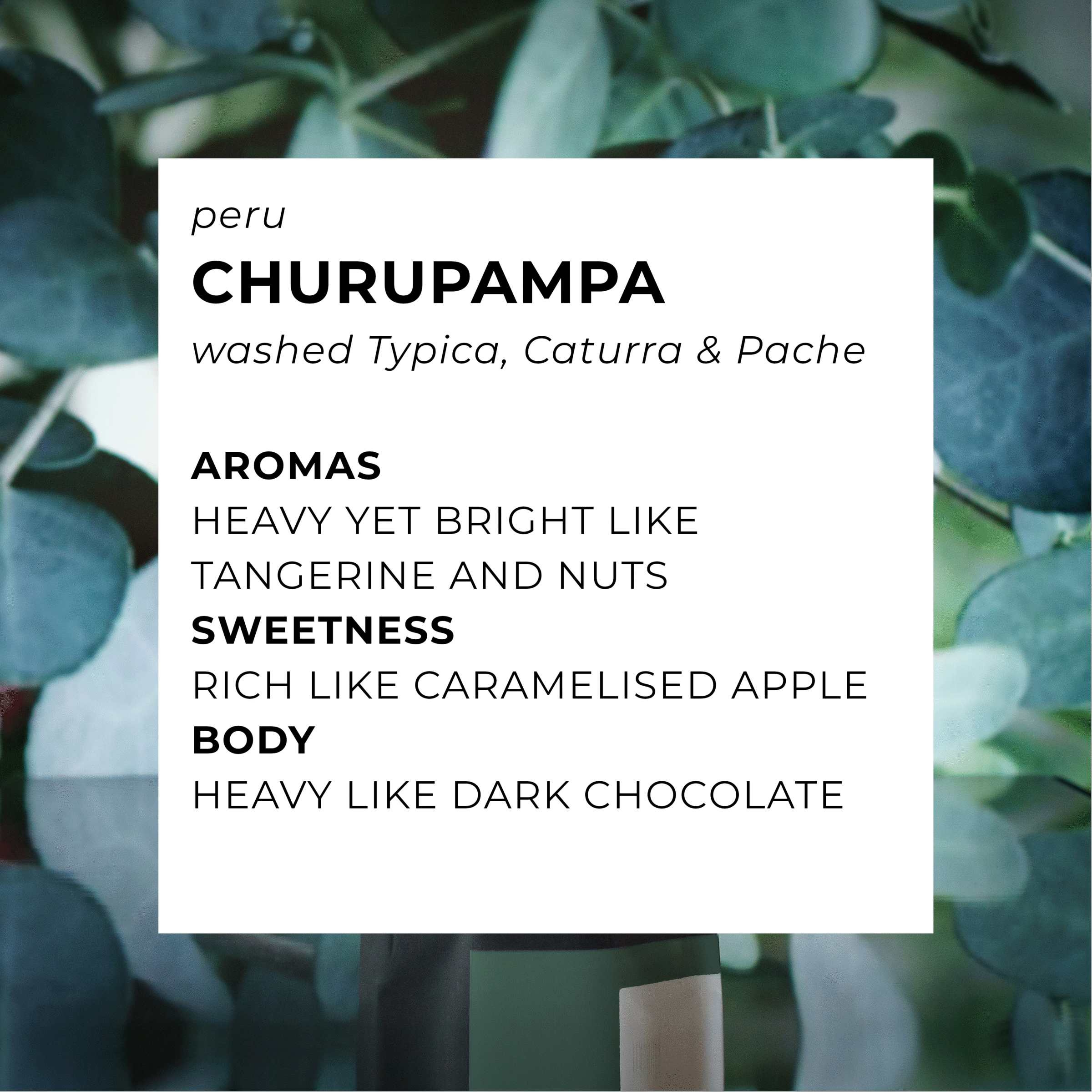
Churupampa
€12.00 – €43.20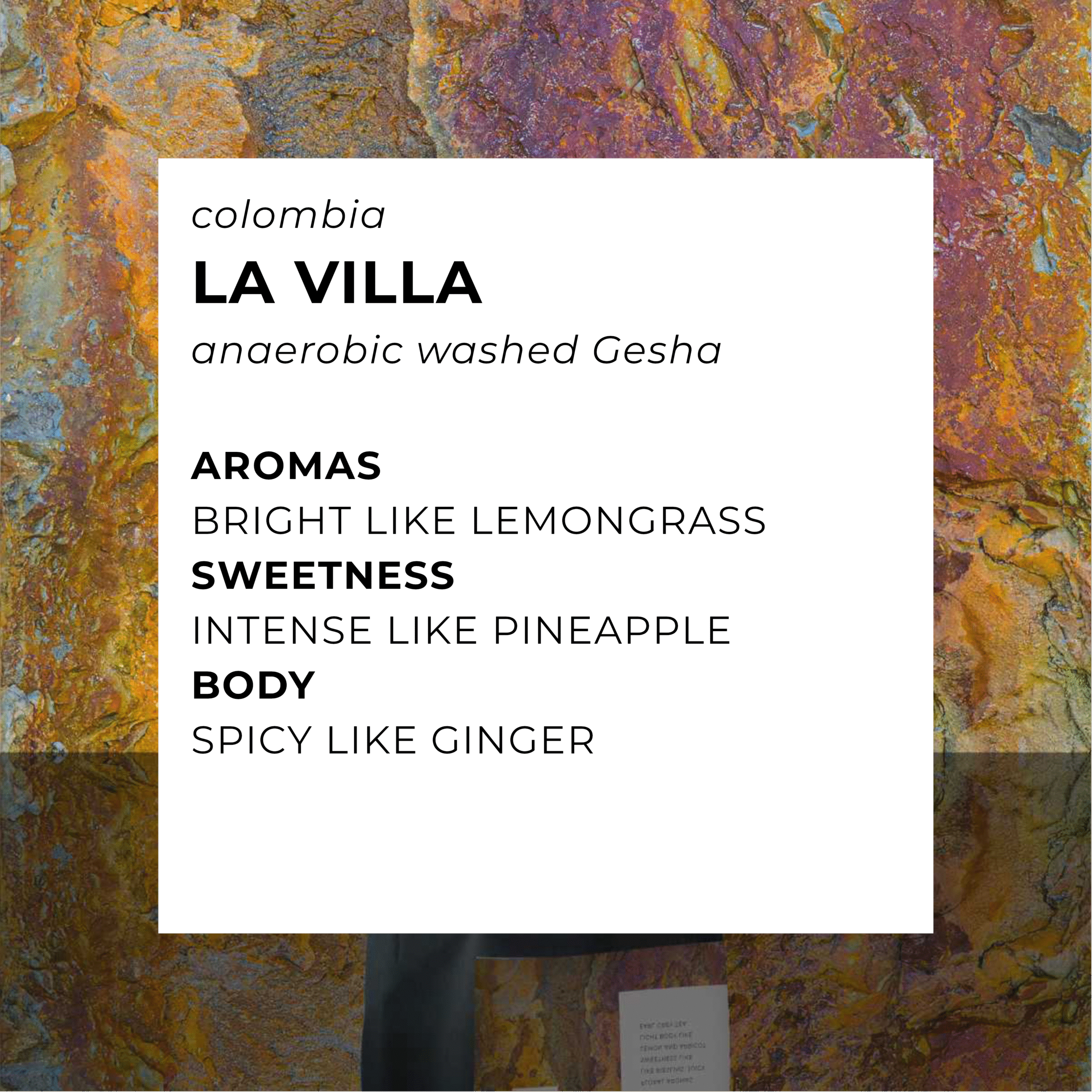
La Villa
€25.00 – €90.00
Coffee subscription
From: €12.00 / month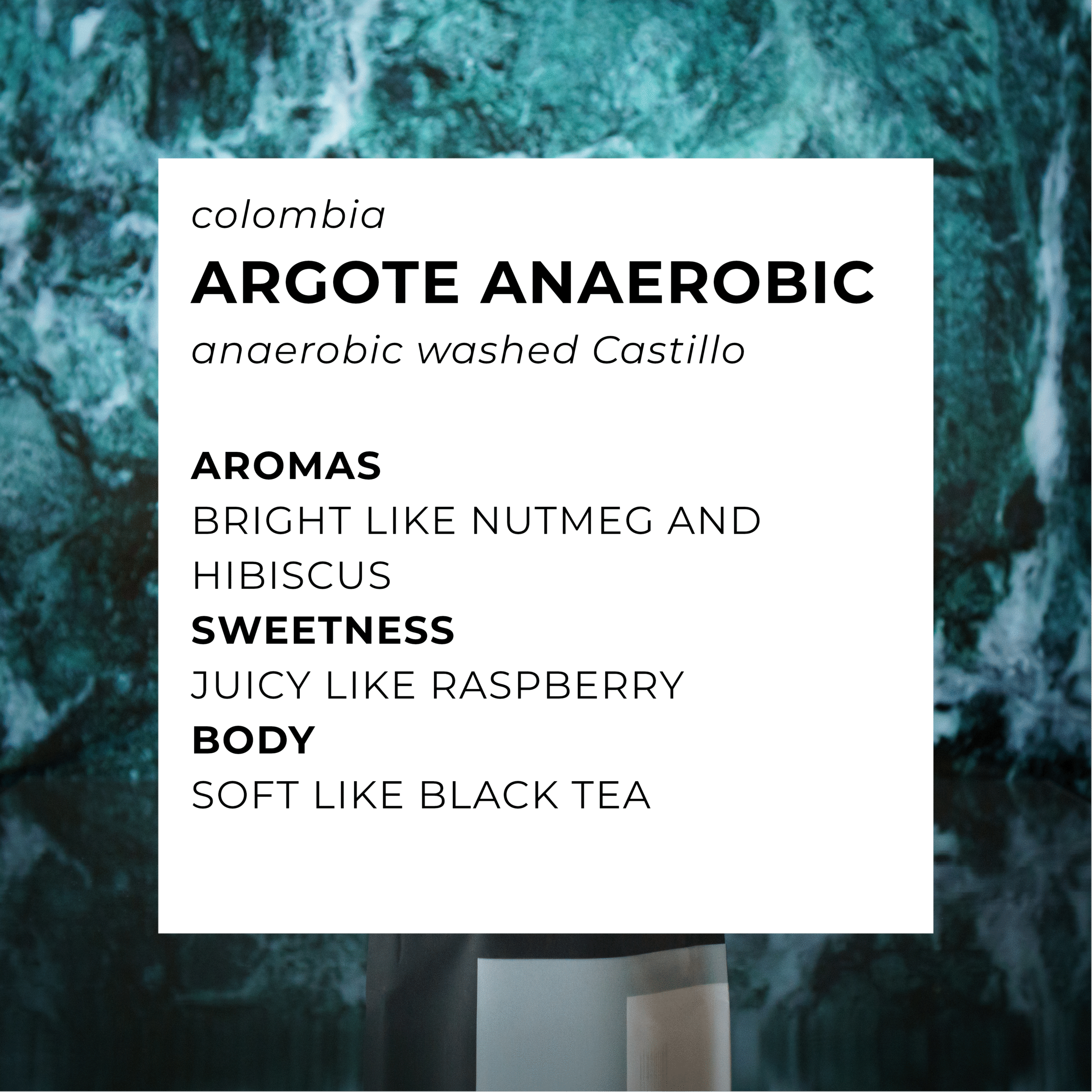
Argote Anaerobic
€16.00 – €57.60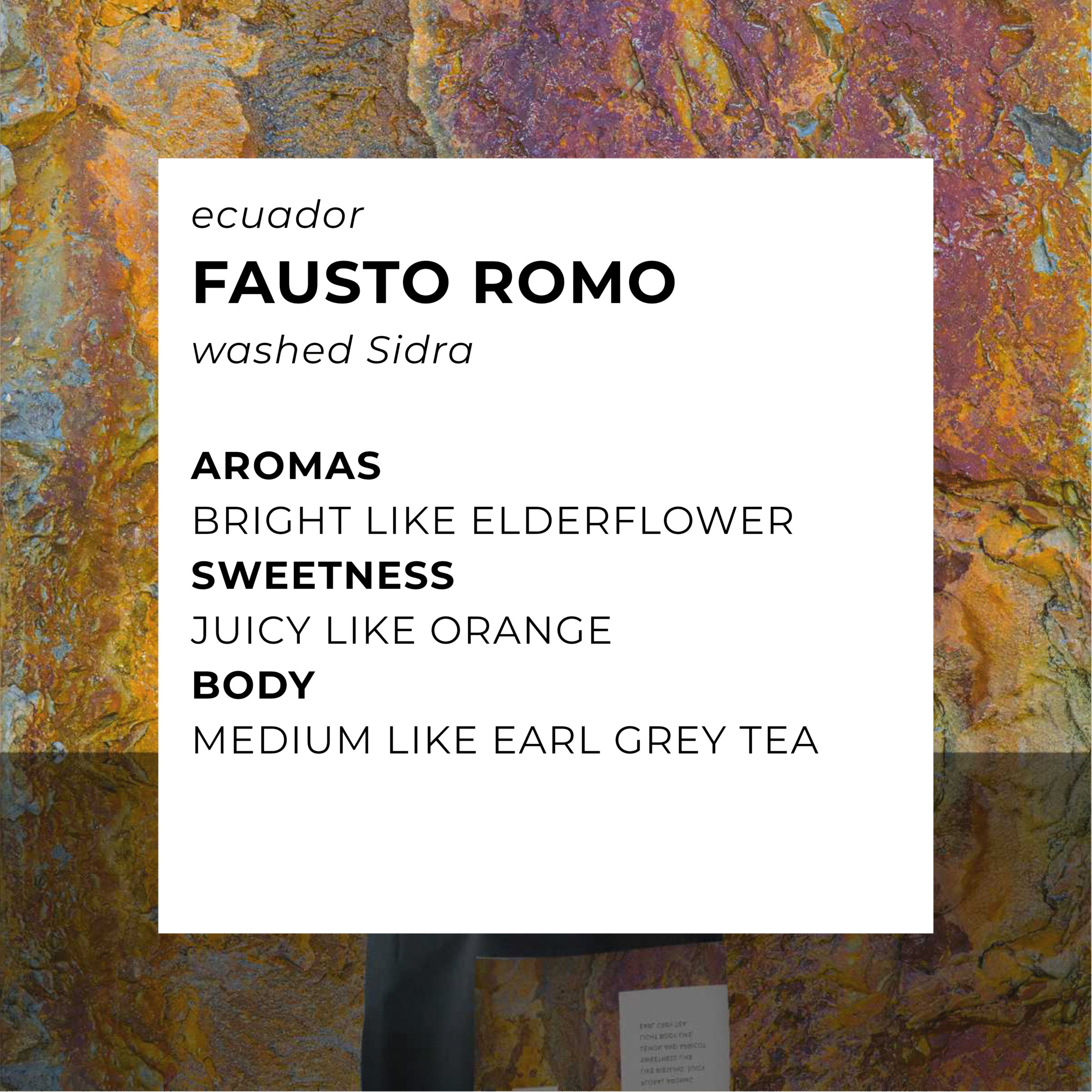
Fausto Romo
€22.00 – €79.20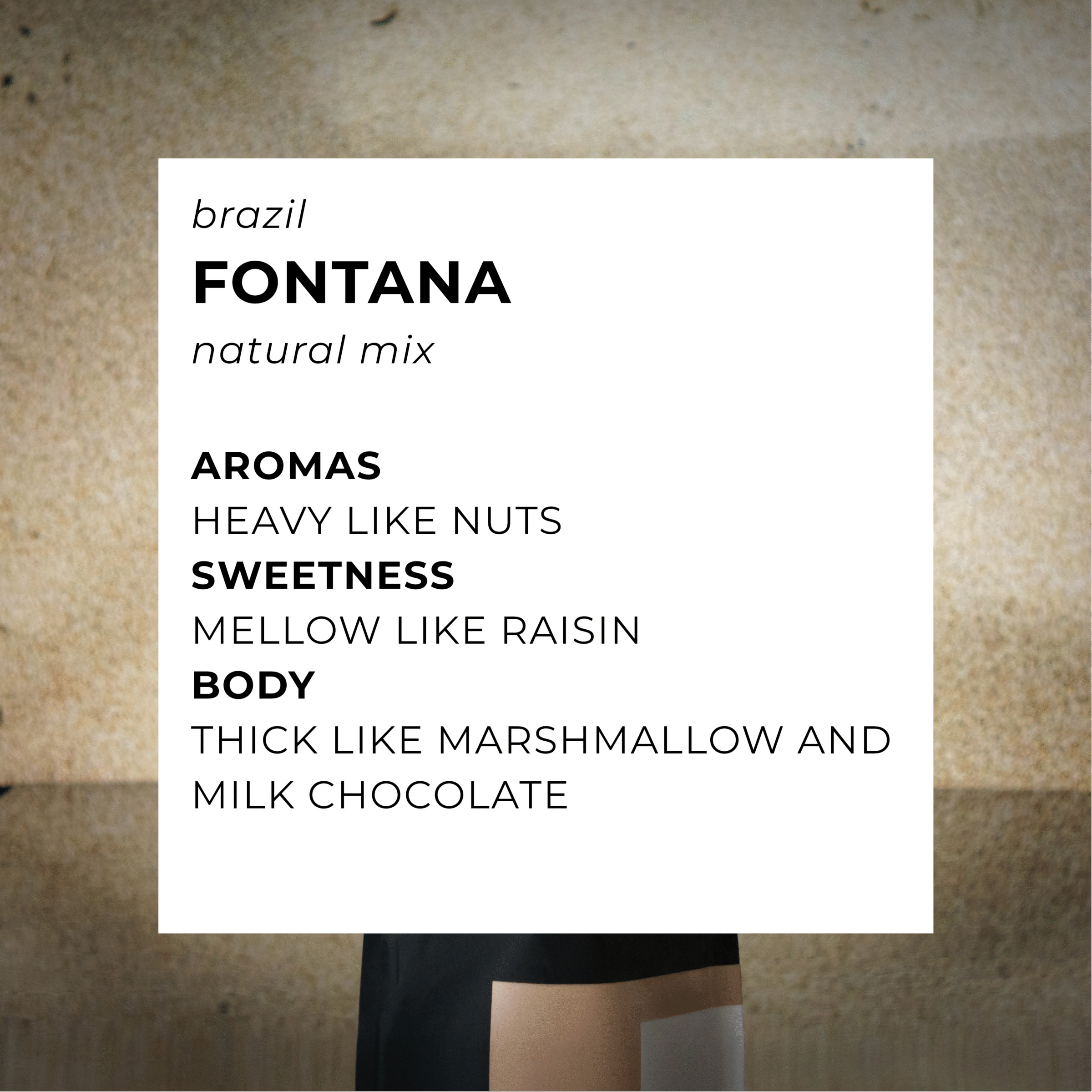
Fontana
€11.00 – €39.60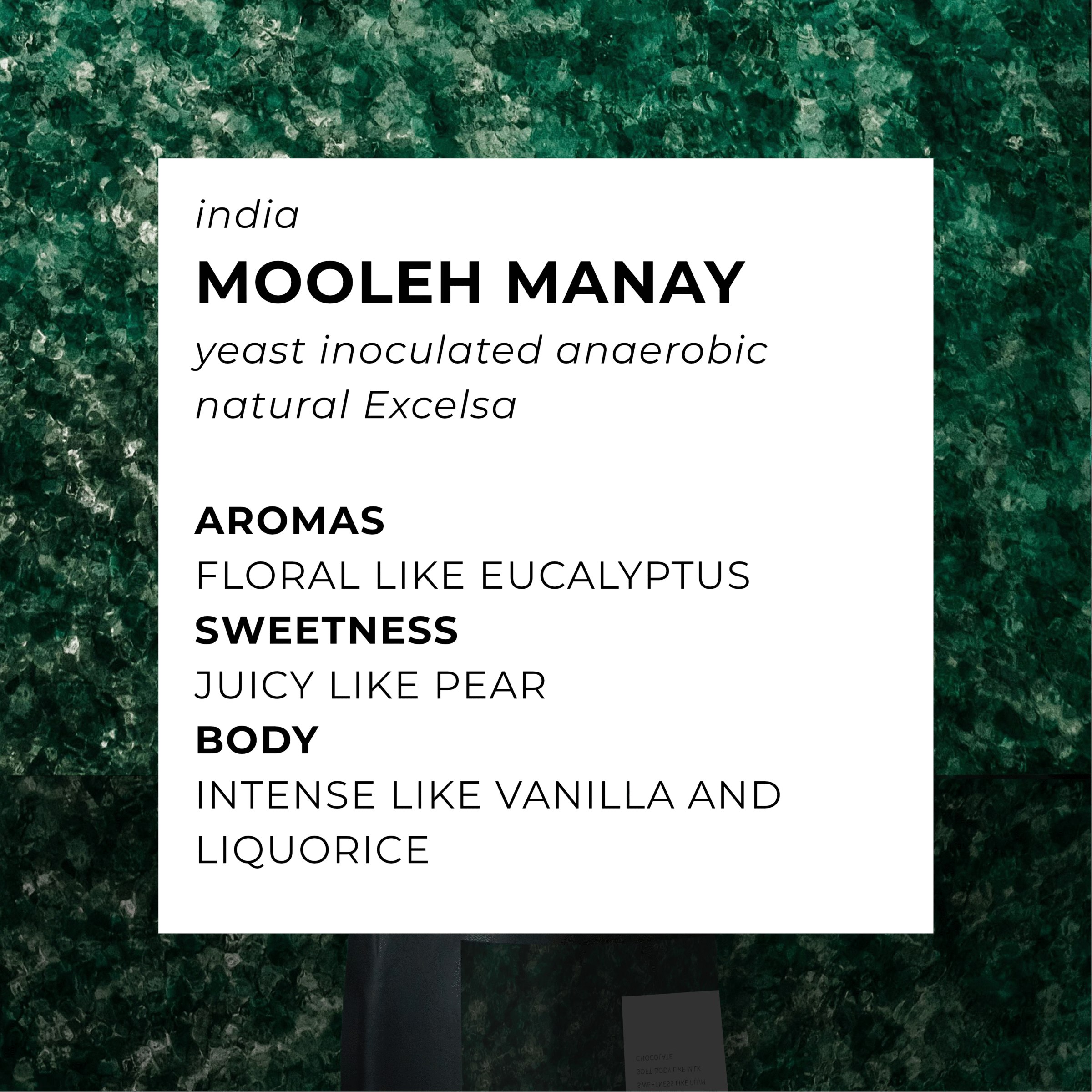
Mooleh Manay Excelsa
€25.00 – €90.00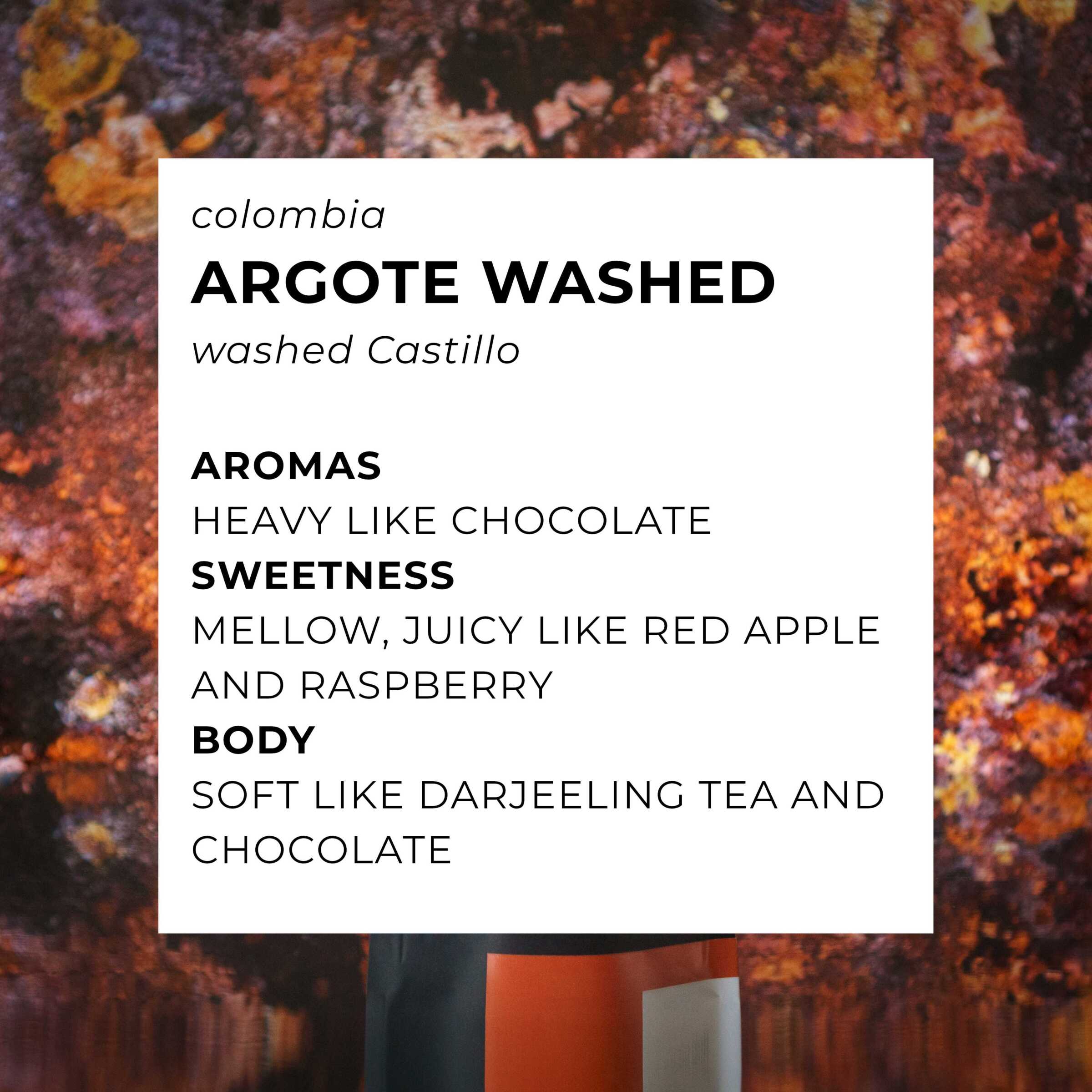
Argote Washed
€13.00 – €46.80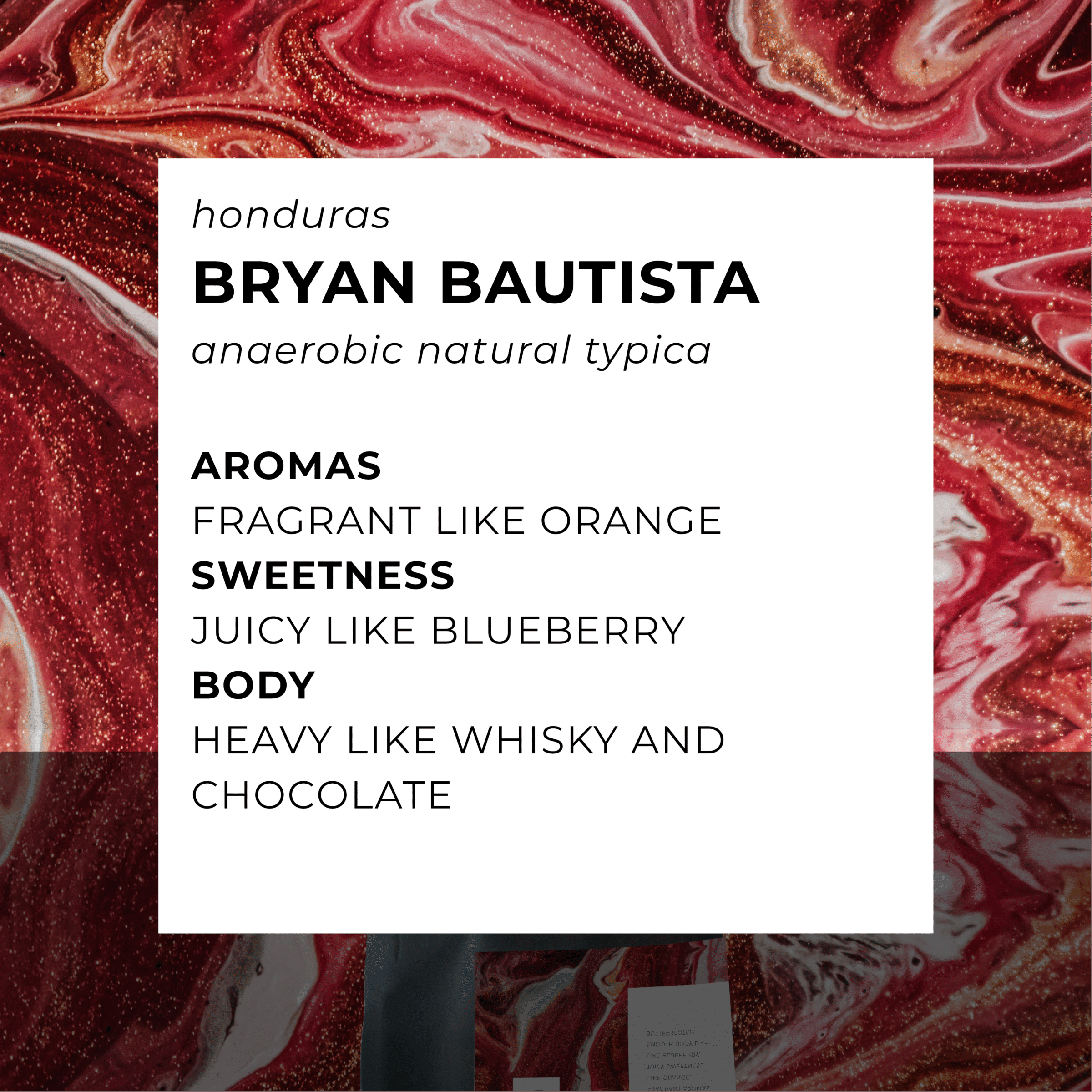
Bryan Bautista
€19.00 – €68.40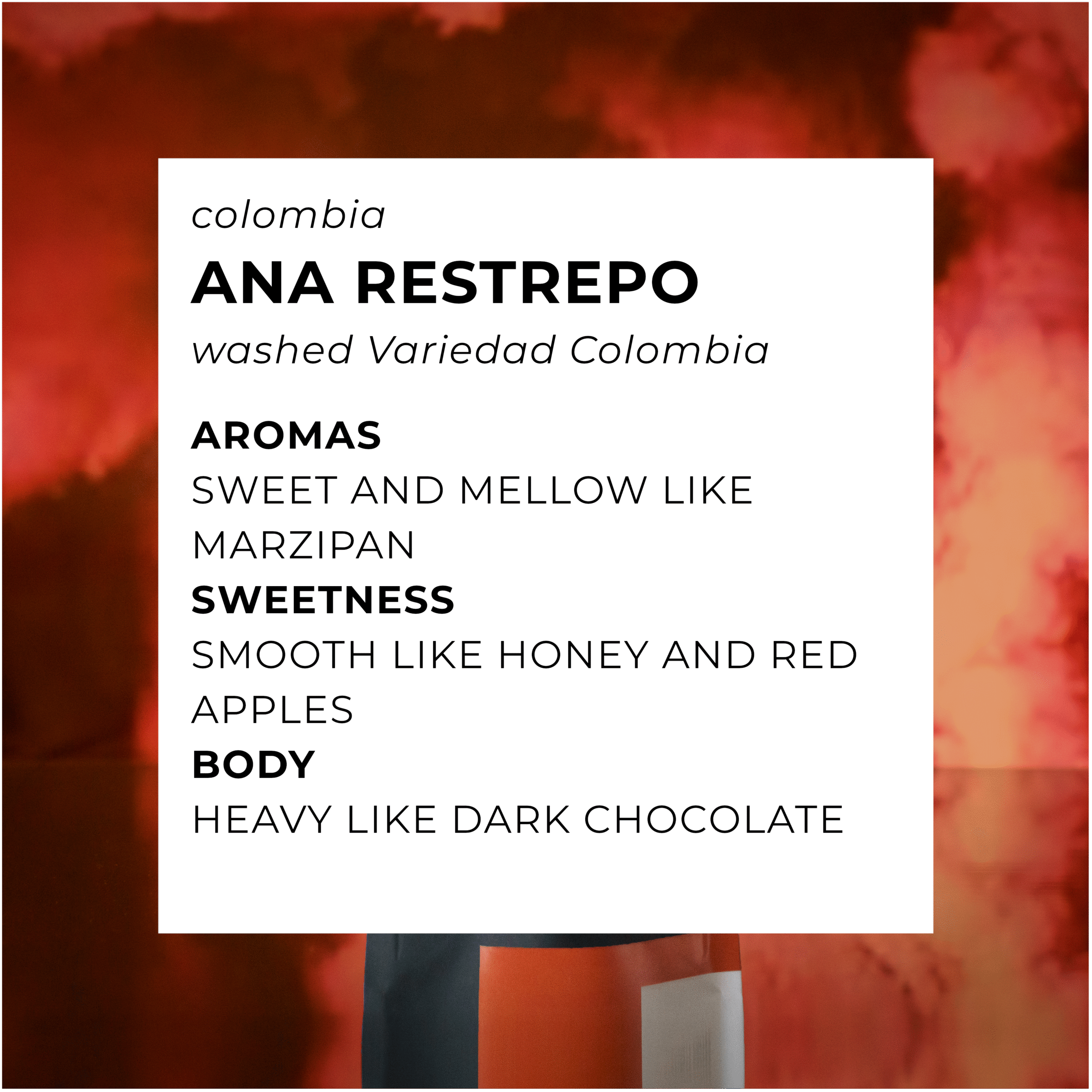
Ana Restrepo
€13.00 – €46.80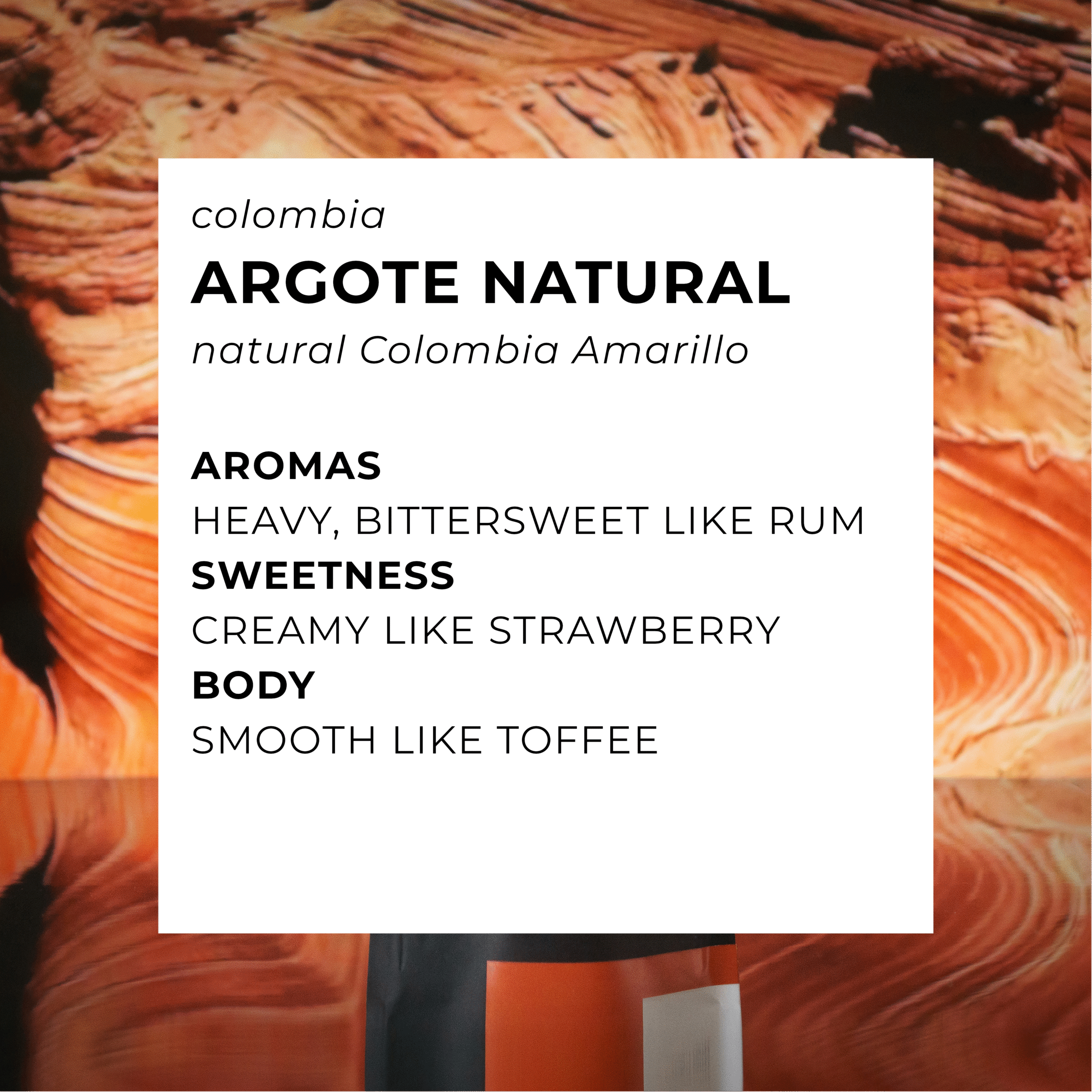
Argote Natural
€16.00 – €57.60