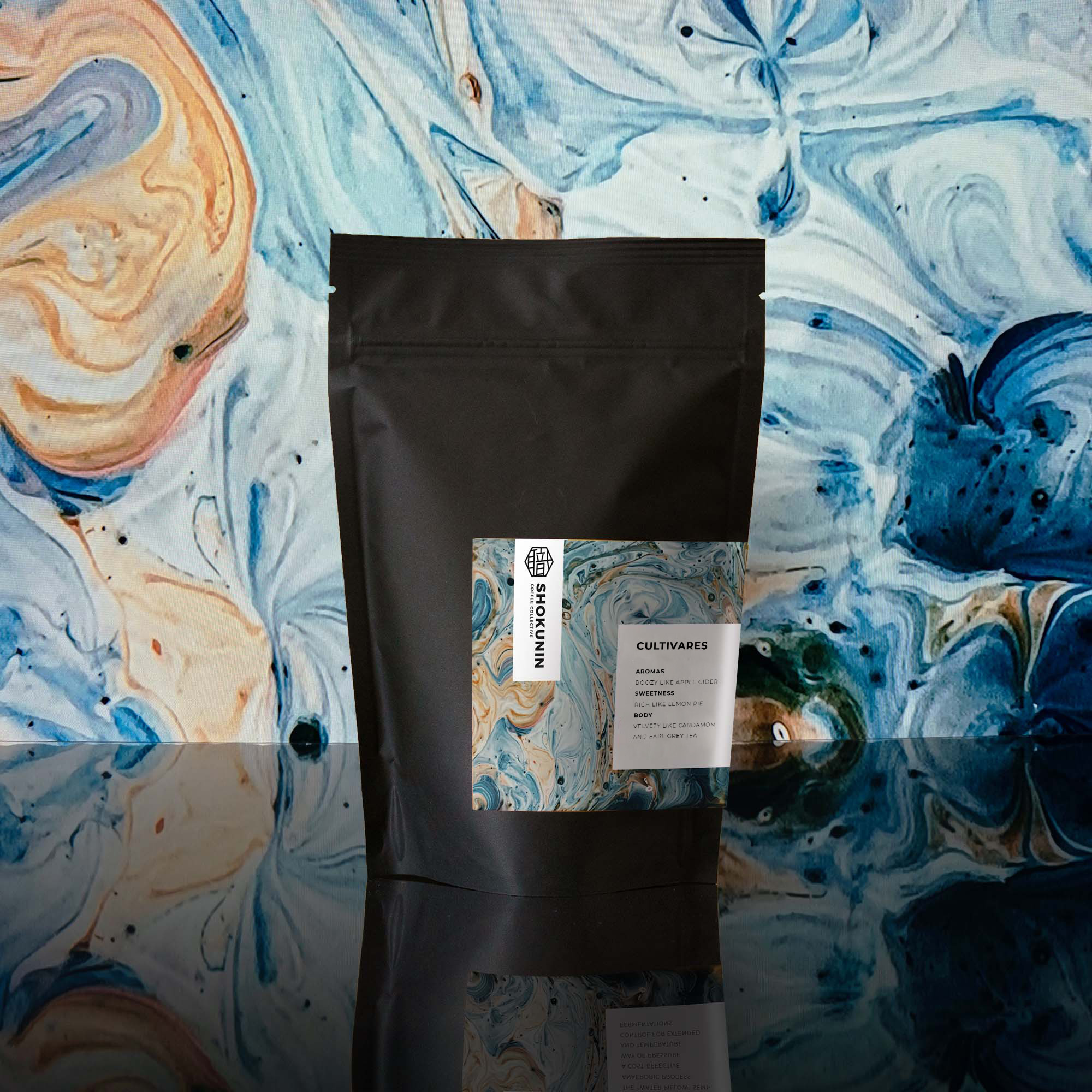
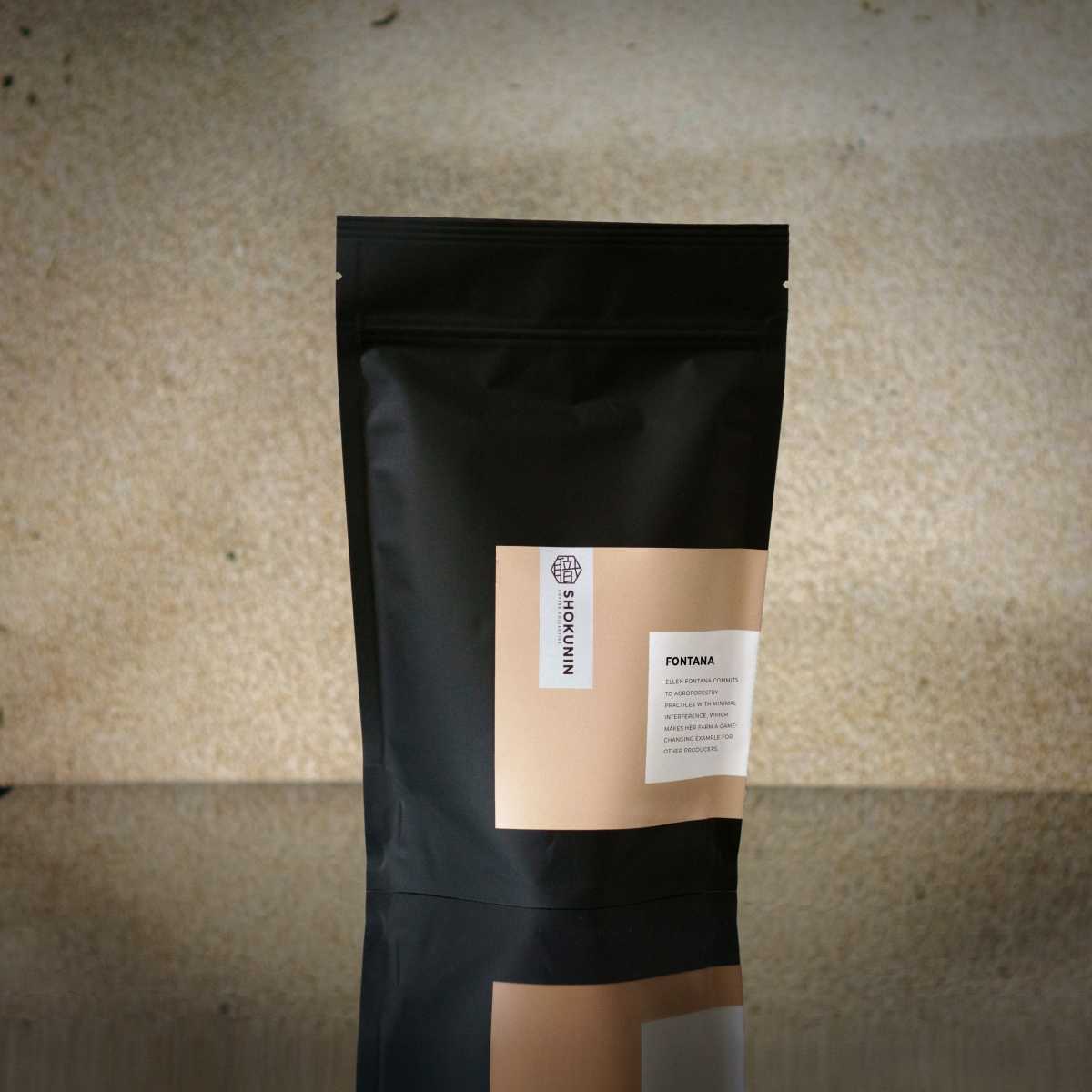
Fontana
Brazil – Natural mix. Heavy aromas like nuts. Mellow sweetness like raisin. Thick body like marshmallow and milk chocolate.
Fontana
Whenever you want a Brazilian coffee that feels like more than just another Brazilian, Fontana is the one. Creamy, comforting and just curious enough to stand out. It placed second in the 2024 regional championships and marks Ellen Fontana’s first export to Europe. With her commitment to agroforestry practices with minimal interference, Ellen’s farm is a game-changing example for other producers and a perfect fit for the Shokunin line-up.
Region: Socorro, São Paulo, Brazil
Variety: Yellow Catuai, Mundo Novo, Obata, Yellow Bourbon
Processing: Natural
Additional information
| Weight | N/A |
|---|---|
| Region | Génova, Nariño, Colombia |
| Altitude | 1,950 – 2,000 m.a.s.l. |
| Variety | 90% Castillo, 10% Caturra |
| Processing | 3 x 24hr fermentation, dried on raised beds. |
| Flavour | Bright aromas like nutmeg and elderflower. Intense sweetness like red berry and blackcurrant. Very light body like Darjeeling tea. |
Jelle's Notes
Brazilian coffee is the everyday hero for any roaster. So when I went looking for one, I wanted to find a coffee with a solid story and a producer with a long-term vision you can grow with. Ellen Fontana’s projects caught my attention.
For me, Fontana is a perfect combination of creamy, nutty comfort with just enough funk and fruit to keep every cup exciting. I love challenging people to pour something special, but when you need a true crowd pleaser, Fontana is my go-to.
Sometimes it’s still a bit too funky for the most cautious drinkers, but I don’t want to go milder than this. Fontana hits that sweet spot of quality and price whilst staying true to my vision on brightness and depth of flavour.
Producer
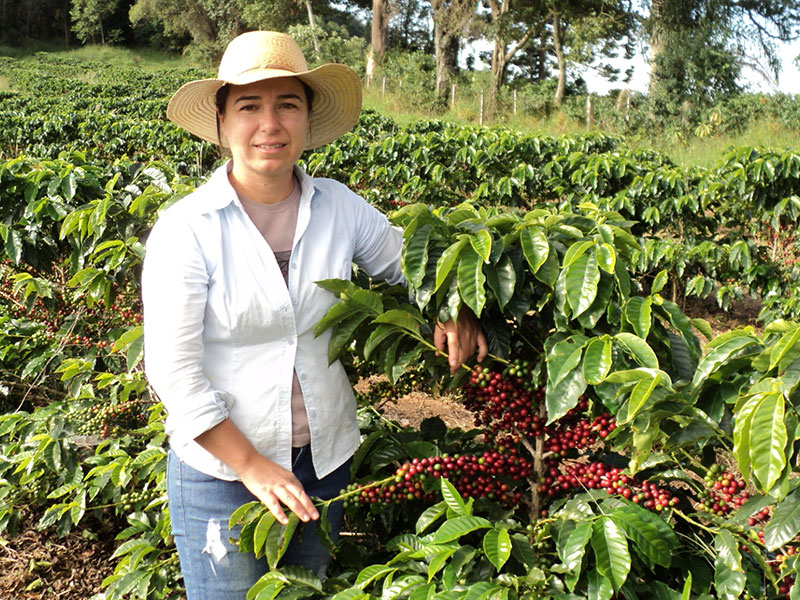 Ellen Fontana is the fifth generation of coffee growers in her family, but her approach to farming is anything but traditional. After her grandfather passed and she took over the estate, she asked herself, “how can I do this right?” That question led her to agroforestry, minimal interference, and a deep commitment to environmental stewardship.
Her farm, Fazenda Fronteiras, spans 100 hectares in Socorro, São Paulo. Only 23 hectares are used for coffee, which grows alongside banana, avocado, and eucalyptus. The rest is either preserved forest or wild land that Ellen is slowly reforesting with a biodiverse mix of native trees. Together with neighbors and supporting organisations, she’s protecting a forest of around 70,000 trees, caring for the river, and creating alternative income sources like honey.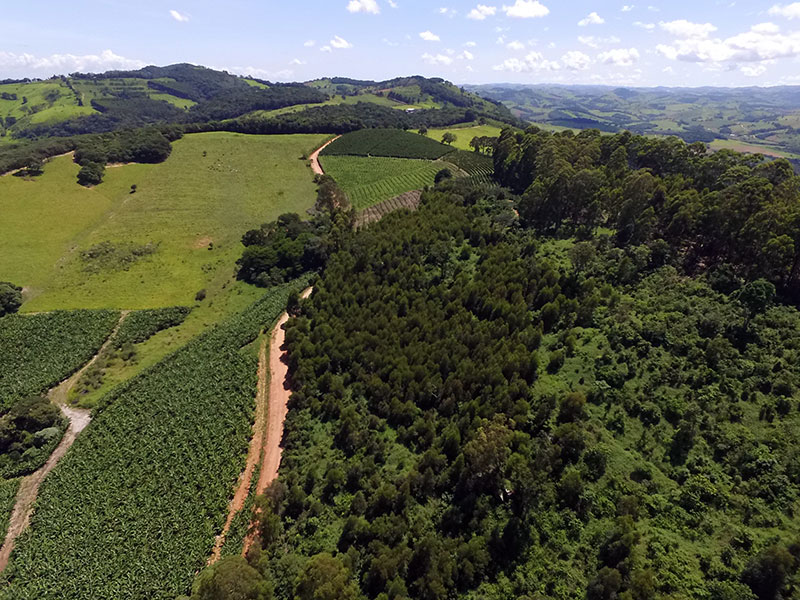
Ellen’s approach is hands-off and regenerative. She uses natural pest control methods, like encouraging wasps that eat borer eggs, and is switching to organic fertiliser made from cow manure, banana peels, and other organic waste. Her water use is minimal, and her impact is growing.
She entered the specialty coffee market in 2013 and has steadily built a reputation for quality and resilience. The frost of 2021 was a major setback, during which about 10% of her trees died, but Ellen sees climate adversity as part of the job. Every year brings new challenges, and she meets them with humility and resolve.
We work with This Side Up to import Ellen’s coffee, and they were the ones who introduced us to her. Her work stood out immediately: a producer with a long-term vision, a regenerative farm, and a coffee that’s as thoughtful as it is tasty. Fontana is more than just another Brazilian coffee, it’s it’s a glimpse of what coffee farming can be.
Forest Conservation
In an effort to regenerate and bring broken forests back together, Raízes do Mogi Guaçu (Conservation Roots) in alliance with Copaíba, and the WWF, and around ten coffee growers, neighbors of Ellen, the Atlantic Forest restoration project was born. As part of this program, Ellen recently planted around 1, 700 native trees. “The other day,” she tells us, “as I was driving Isabel to school, I ran into a small jaguar. We had never seen one so close, and since this project started, more animals are showing up.”
Pricing
Price Breakdown (/kg)
For us, sourcing coffee isn’t just about finding the right flavour, but more about finding the right people. We want to work with importers who are interested in building lasting relationships with the farmers and stay involved beyond the harvest. For this coffee, we’ve partnered with This Side Up. They represent producers directly, support long-term systems, and make sure pricing reflects the real work behind each lot. Their model is built on transparency, shared ownership, and a refusal to let commodity pricing define value. We pay more, but we know where it goes. That’s how we prefer to source our coffee.
€9.64
€10.04
How is this built up?
€6.56
The farm gate price includes the payment to farmers for the coffee, wet milling, and margin.
€0.15
Capricornio incurs cost to sort all grades of green coffee purchased from the farmer into different lots under the specialty grade spectrum like single farmer lots, blends, nano/micro lots and competition lots. Other costs borne by Capricornio include dry milling, grain pro, small holder training fee and exporter charges for sorting, shipping the coffees to the Netherlands.
€0.45
€0.51
€0.07
€1.90
Related products
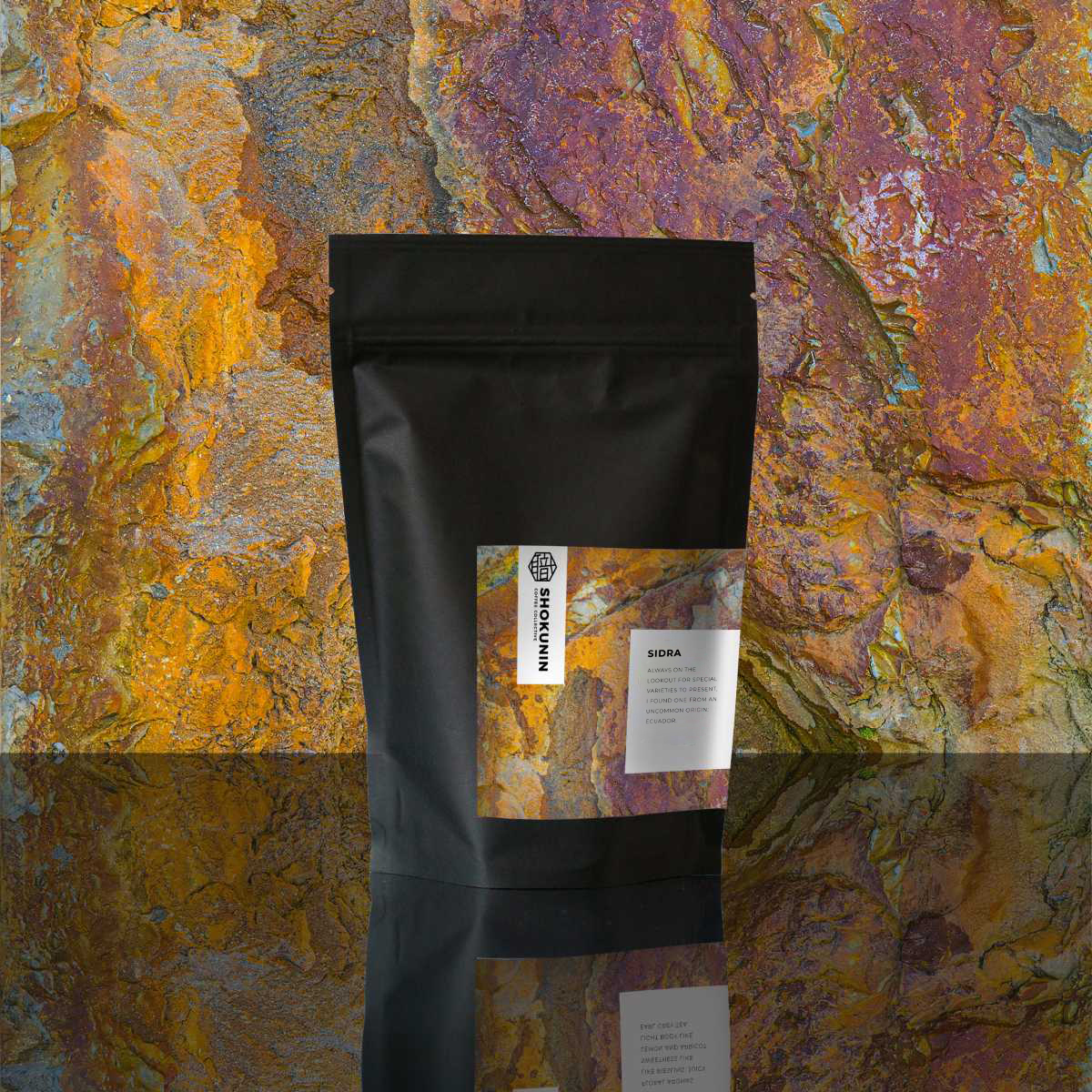
Fausto Romo
€22.00 – €79.20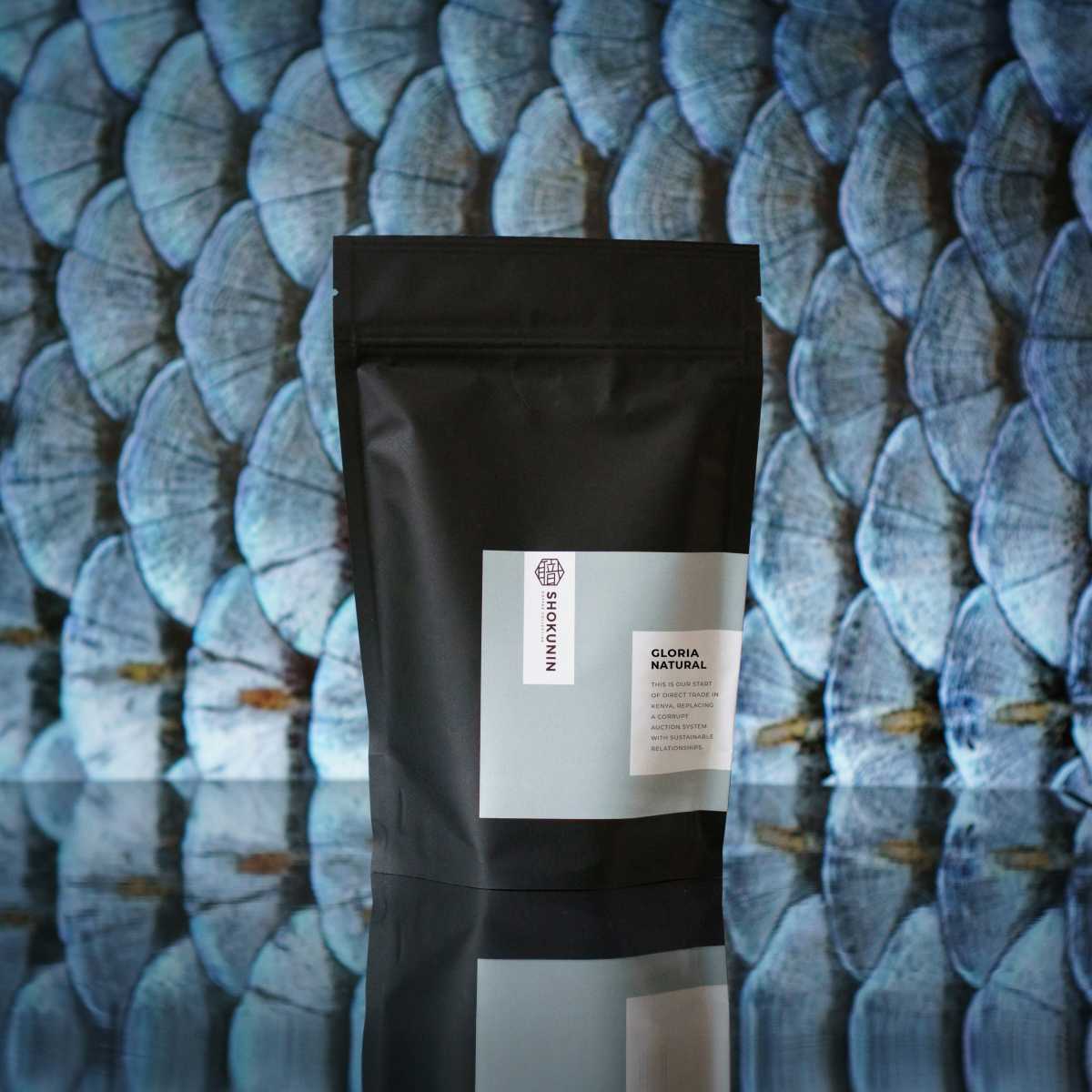
Gloria Natural
€13.00 – €46.80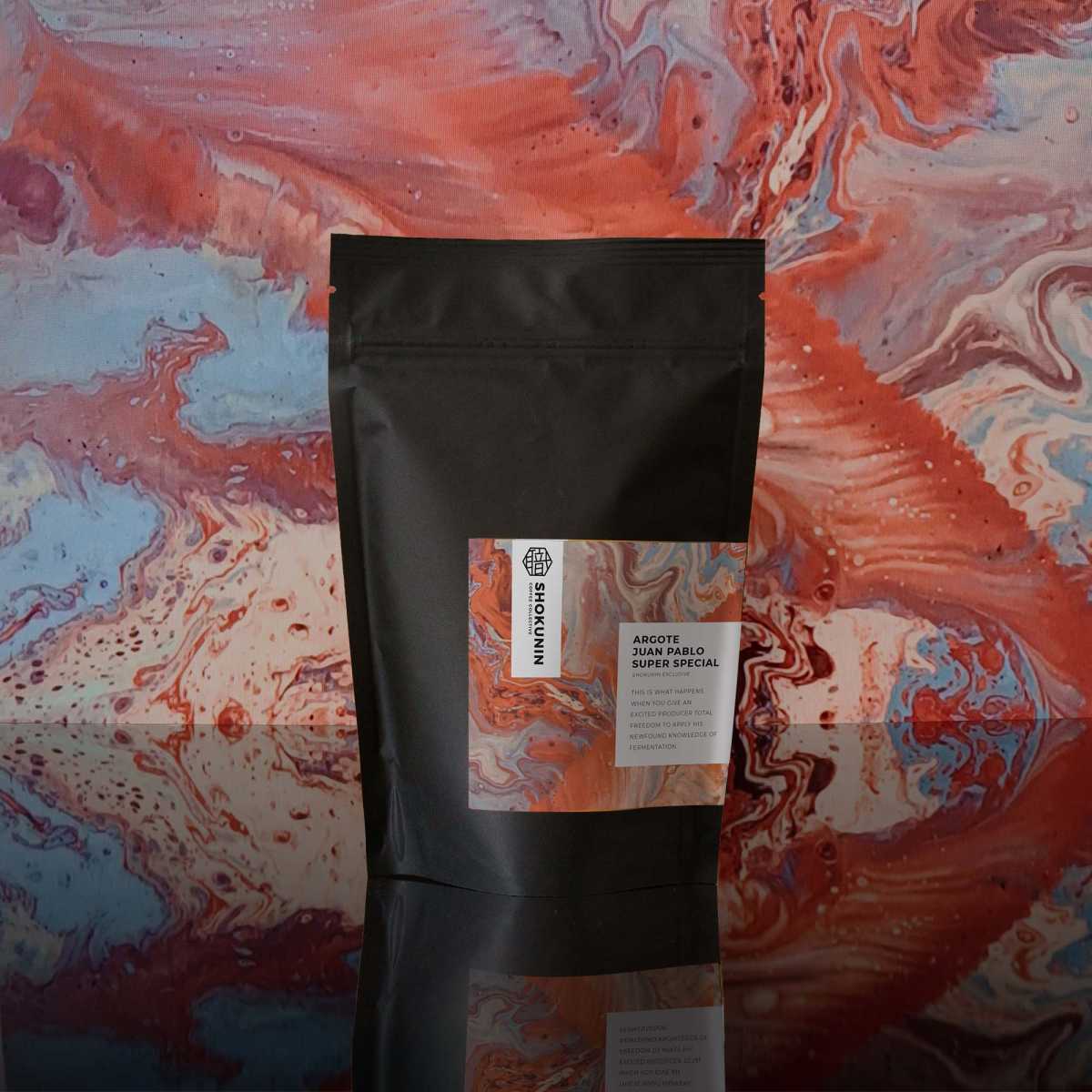
Argote Juan Pablo Super Special
€22.00 – €79.20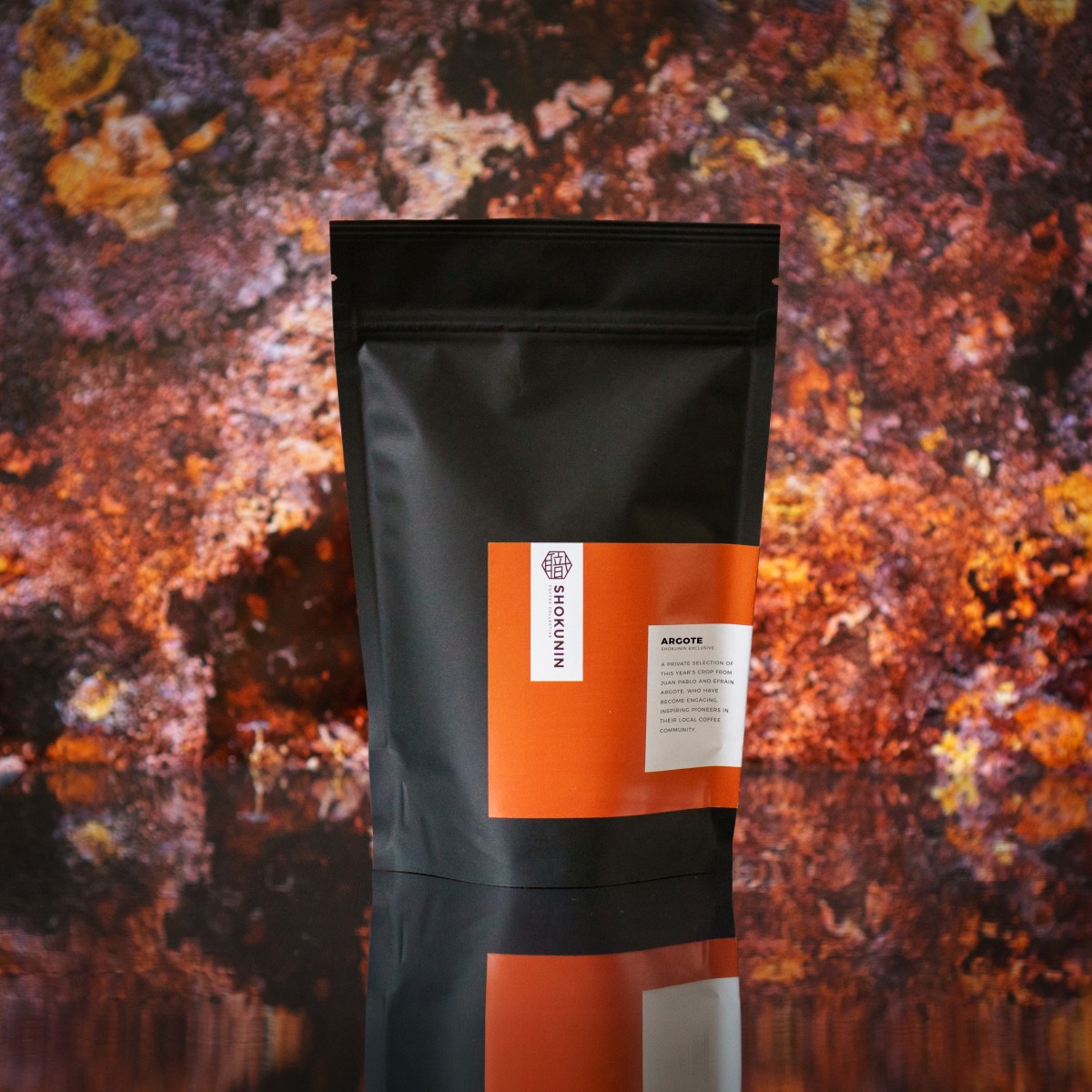
Argote Peaberry
€16.00 – €57.60
Keramo Natural
€17.00 – €61.20
Argote Lactic Anaerobic
€16.00 – €57.60
La Villa
€25.00 – €90.00
Sironko
€14.00 – €50.40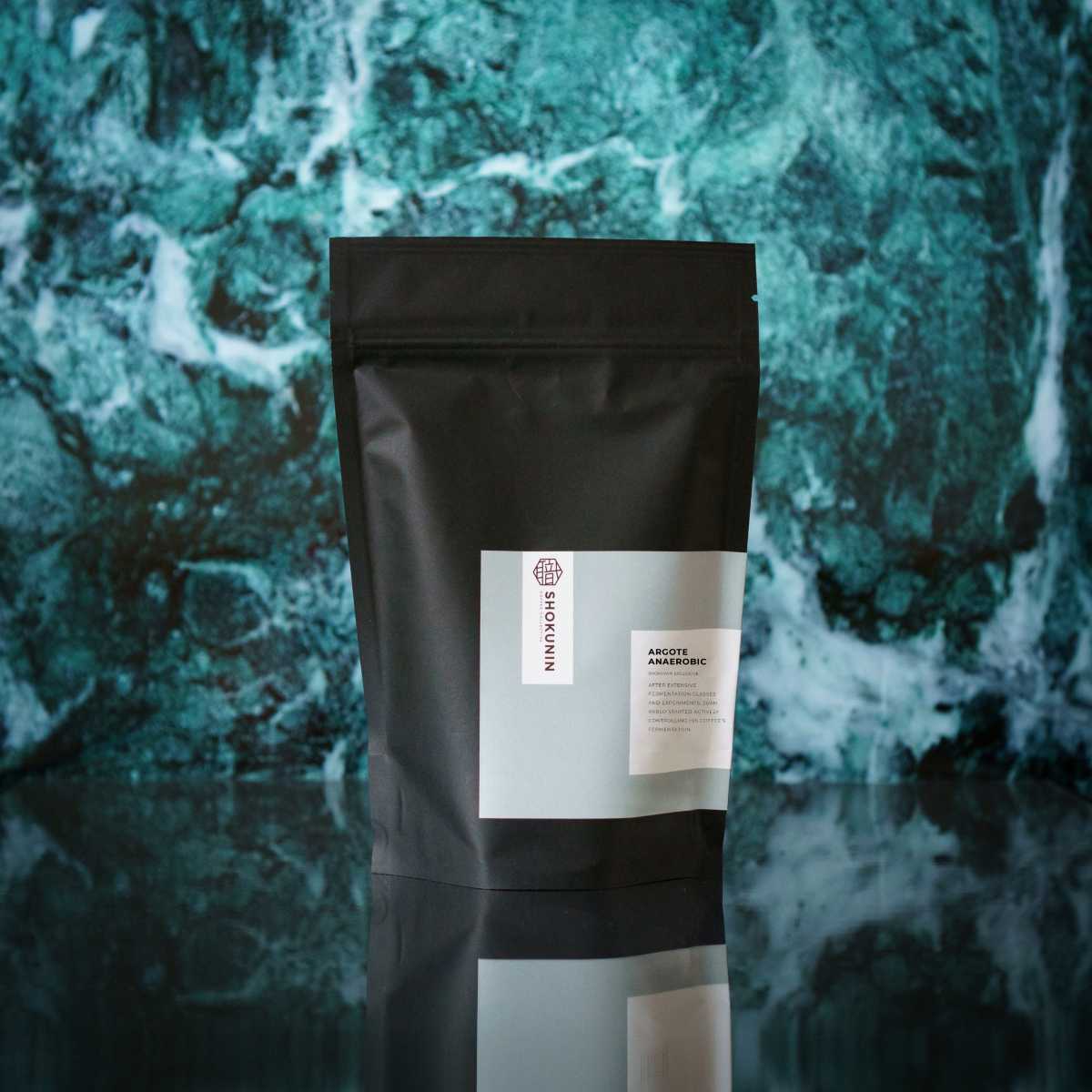
Argote Anaerobic
€16.00 – €57.60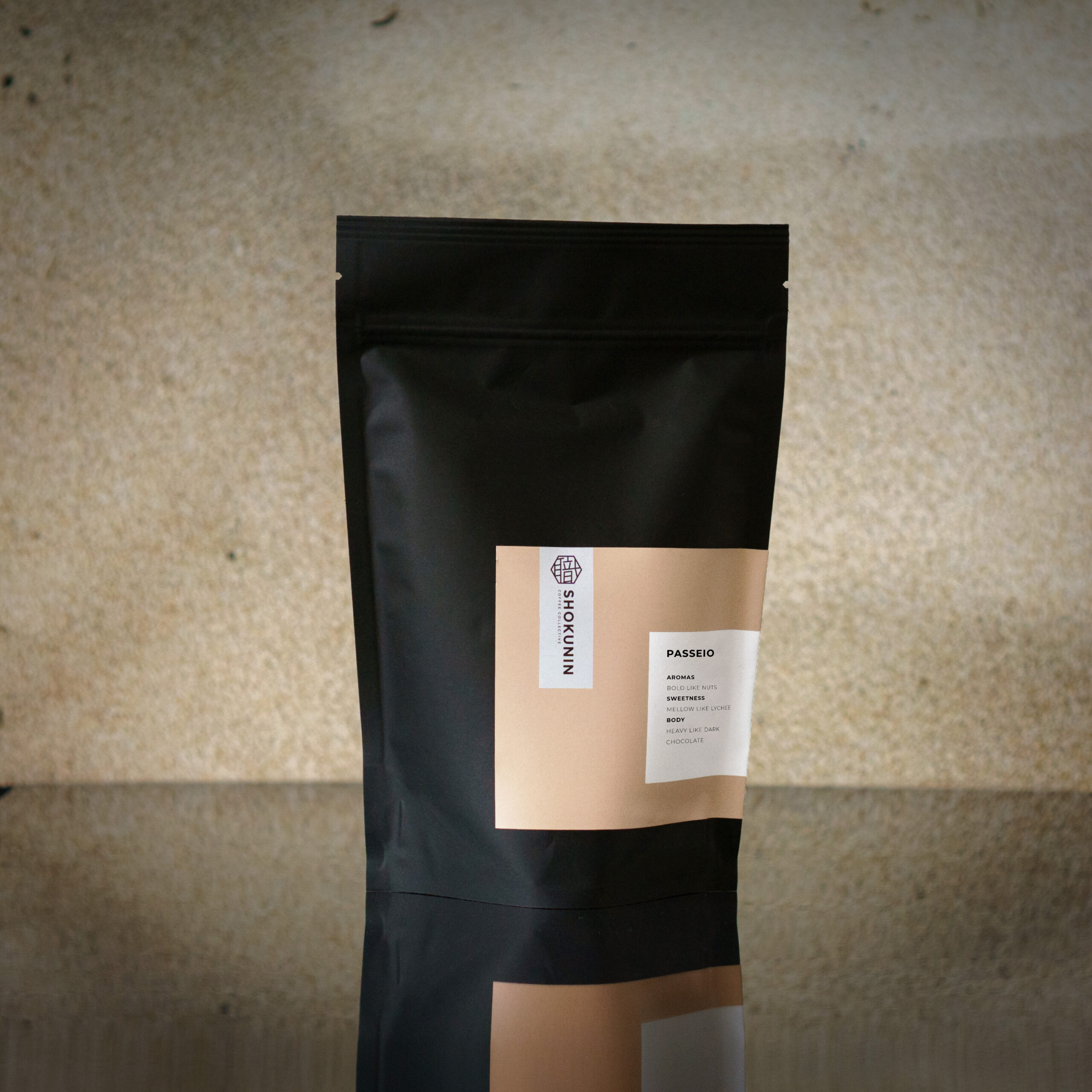
Passeio
€11.00 – €39.60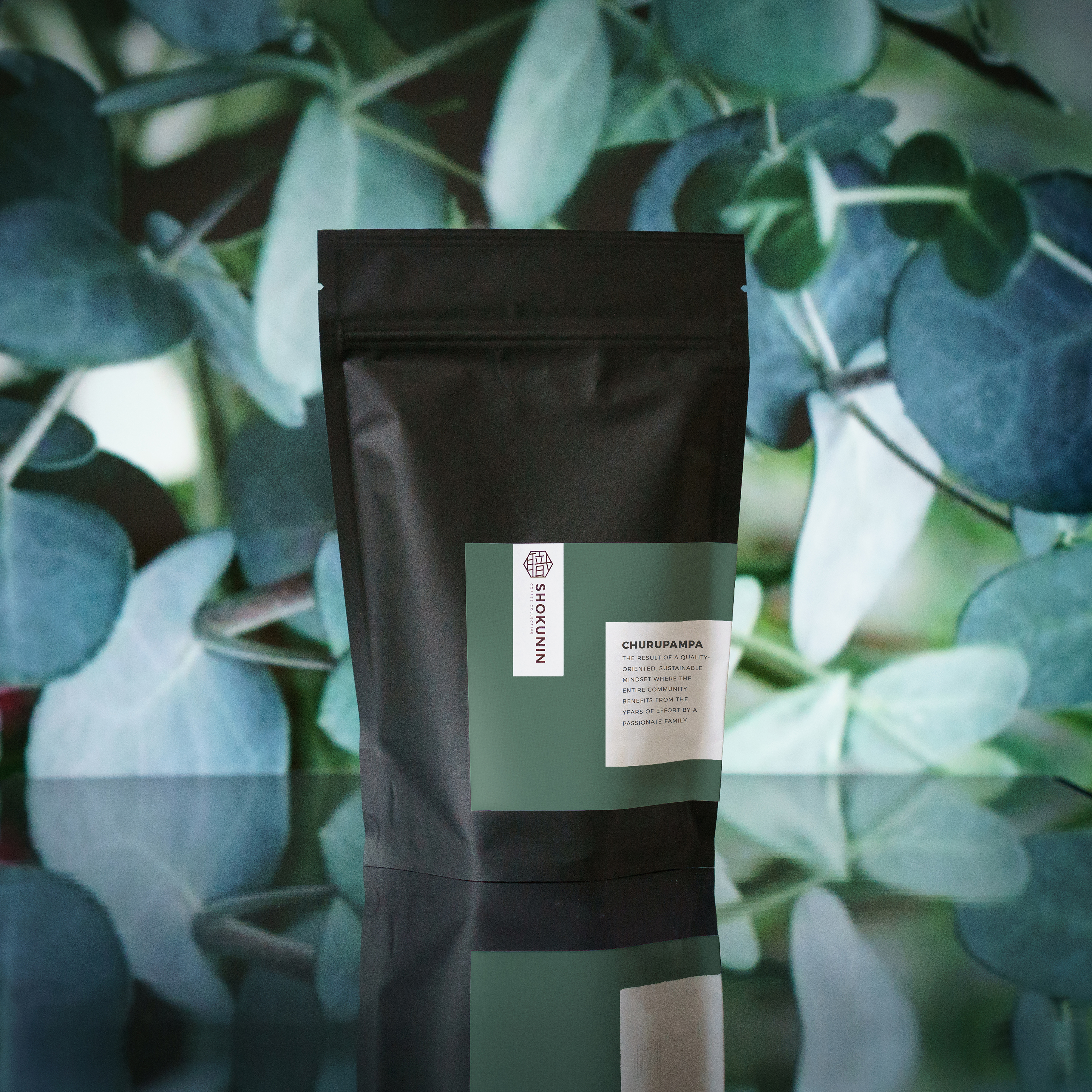
Churupampa
€12.00 – €43.20