Churupampa
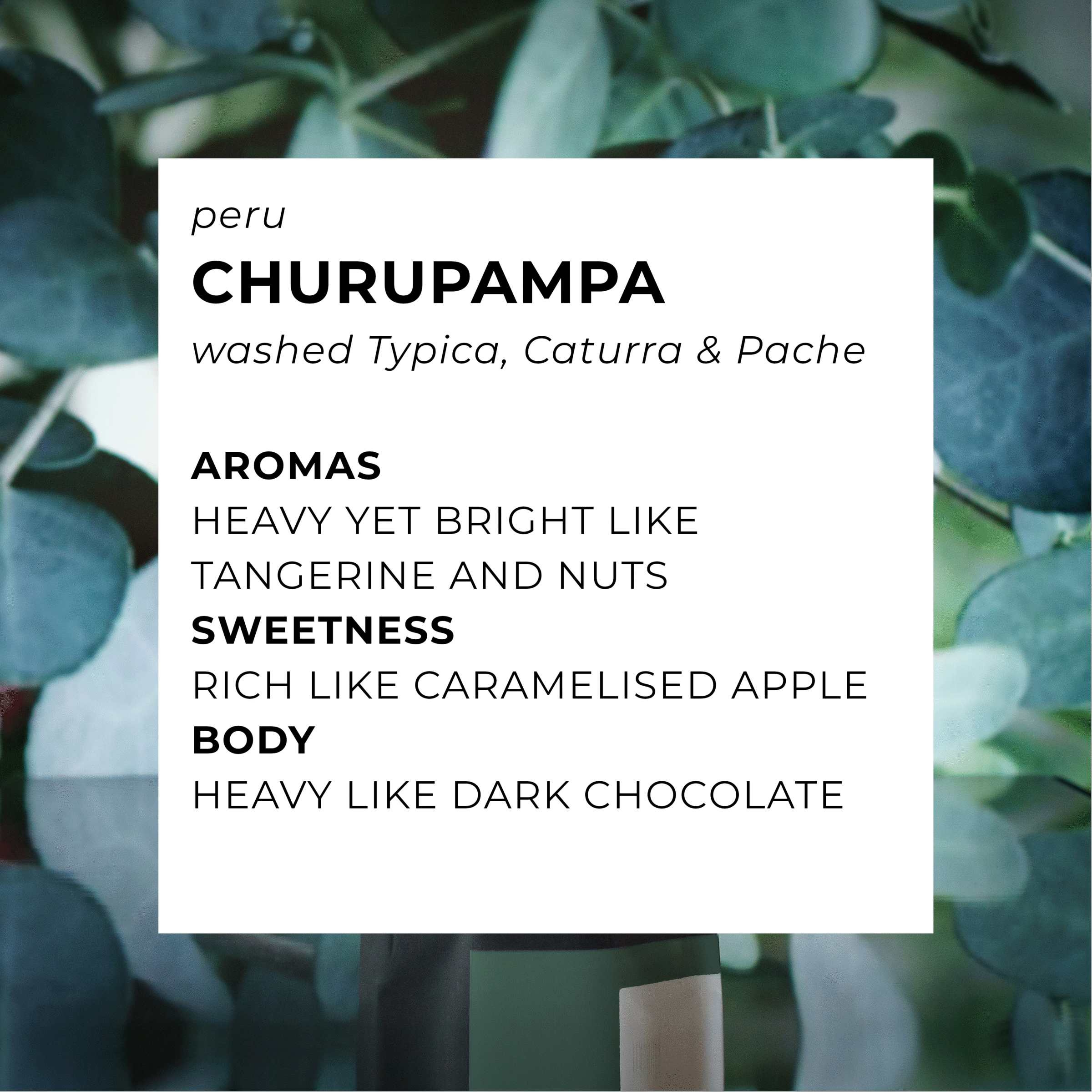
Peru – Washed Typica, Caturra and Pache. Heavy yet bright aromas like tangerine and nuts. Rich sweetness like caramelized apple. Heavy body like dark chocolate.
Churupampa
The result of a quality-oriented, sustainable mindset where the entire community benefits from the years of effort by a passionate family.
Region: Chirinos, San Ignacio, Peru
Altitude: 1,600 – 1,900 m.a.s.l.
Variety: Typica, Caturra, Pache
Processing: fully washed, double fermentation (12 – 24 hours each)
Additional information
| Weight | N/A |
|---|---|
| Region | Chirinos, San Ignacio, Cajamarca, Peru |
| Height | 1,600 – 1,900 m.a.s.l. |
| Variety | Typica, Caturra, Pache |
| Processing | Fully washed, double fermentation (12-24hr each) |
| Flavour | Heavy yet bright aromas like tangerine and nuts. Rich sweetness like caramelized apple. Heavy body like dark chocolate. |
Jelle's Notes
In my early days as Shokunin, I was looking for a chocolate-oriented coffee that would work well in cafes. I didn’t want a Brazilian, and at the time, there weren’t any Brazilian farms I could build something meaningful with at scale anyway. So I was looking elsewhere.
When I came across Churupampa, a few things stood out straight away. The farm had a social media presence and welcomed plantation visits, which at the time was a good signal that the people behind it were serious and open. Later I learned they worked organically and supported other farmers through their cooperative. That combination made me feel like this was a coffee worth committing to, and it turned out to be true.
After a few years, Fontana took over as my standard cafe coffee, but Churupampa has stayed in the lineup ever since. It’s not a coffee that tries to surprise you. It’s just reliably, simply good, which is its own kind of rare.
One small thing: this was one of the first coffees I ever sold, and it became the reference point for all the product photos on the website. If you look closely at this page, you’ll notice it’s one of the few with a real photograph of the pack rather than a photoshopped image.
Producer
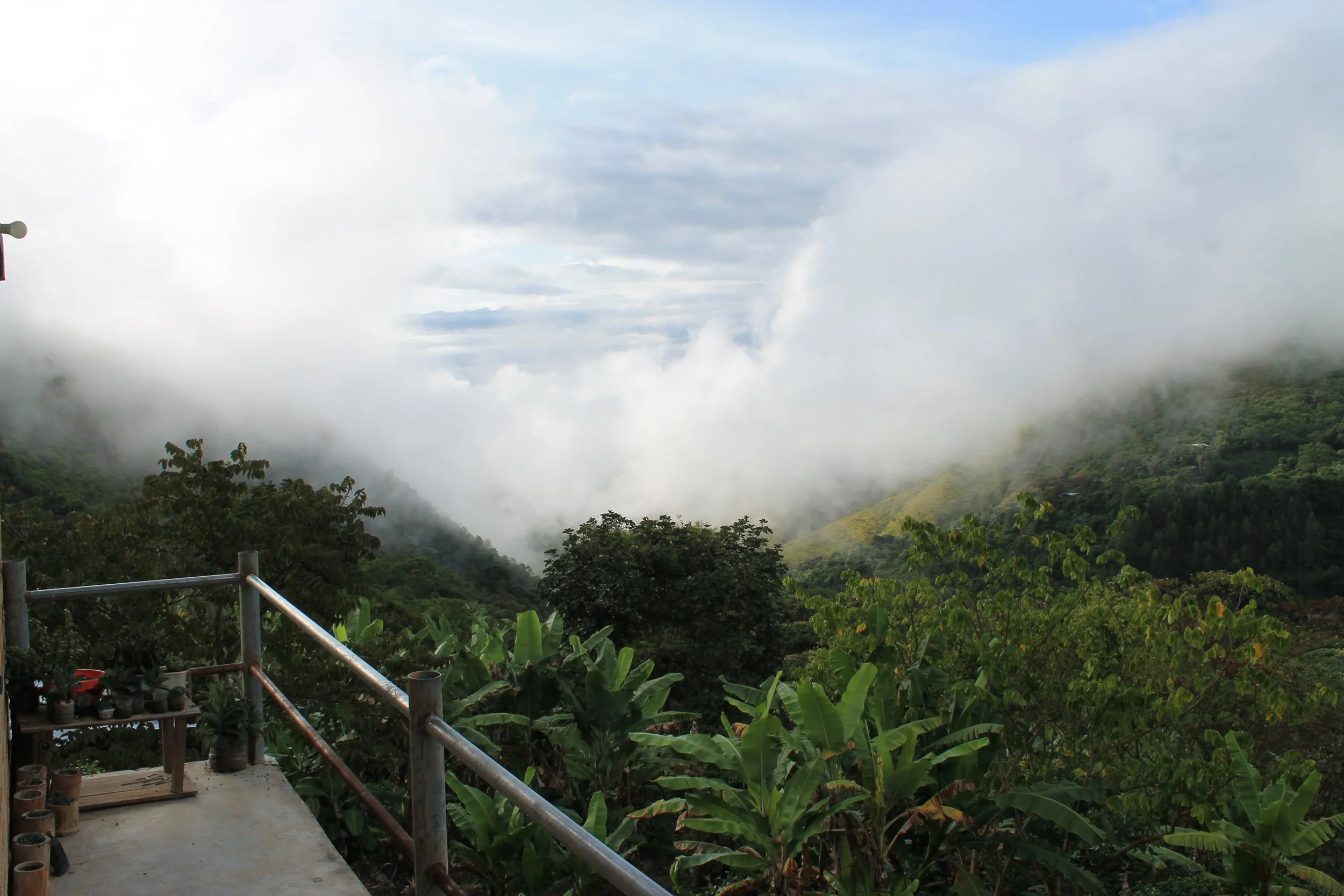
Finca Churupampa was founded by the Tocto Bermeo family in the Cajamarca region of Peru. The project formally began in 2011, with the goal of building a self-sustaining farm that could serve as a model for the wider community. By 2013 they were exporting specialty coffee, and the operation has grown steadily ever since. The name comes from Quechua, ch’uru means snail and pampa means plains.
Eber Tocto, one of the founders, was among the first Peruvian cuppers to become Q certified, and quality control has been central to how they operate from the start. The network has grown steadily since, reaching nearly 190 producer families by 2024. Each one receives agronomic training, access to a quality control lab, and support to diversify their land with food crops and livestock alongside coffee.
That approach has been tested. In 2022 a quality issue affected an entire shipment. Rather than deflect, Lenin Tocto flew to Shokunin’s importer event in Milan and explained openly what had gone wrong and what was being fixed. A new mill was brought in, a larger warehouse was built to prevent contamination, and an industrial engineer was hired to oversee quality standards. It was handled with transparency, and it deepened the trust rather than breaking it.
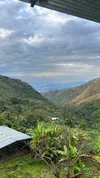
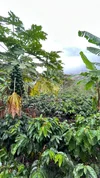
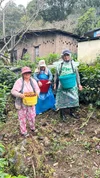
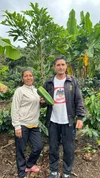
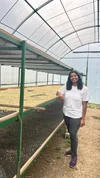 The lot Shokunin sources comes from La Lima, a small farming community within the network sitting between 1,700 and 1,800 meters above sea level in the Cajamarca region. The coffee is produced by Walter Corrales, his cousins, brothers-in-law, and the Montesa family, a tight-knit group of three to four families working about two hectares between them, with around 9,000 trees and eight to twelve seasonal workers during harvest. Peruvian coffees have been gaining recognition in Europe for their deep chocolate character, and La Lima reflects that, while adding a fruit-forward quality that makes it particularly well suited to filter brewing.
Pricing
Price Breakdown (/kg)
For us, sourcing coffee isn’t just about finding the right flavour, but more about finding the right people. We want to work with importers who are interested in building lasting relationships with the farmers and stay involved beyond the harvest. For this coffee, we’ve partnered with This Side Up. They represent producers directly, support long-term systems, and make sure pricing reflects the real work behind each lot. Their model is built on transparency, shared ownership, and a refusal to let commodity pricing define value. We pay more, but we know where it goes. That’s how we prefer to source our coffee.
€9.61
€10.01
How is this built up?
€6.33
€0.10
€0.65
€1.10
€0.06
€1.65
Related products
Surprise coffee
€12.00 – €43.20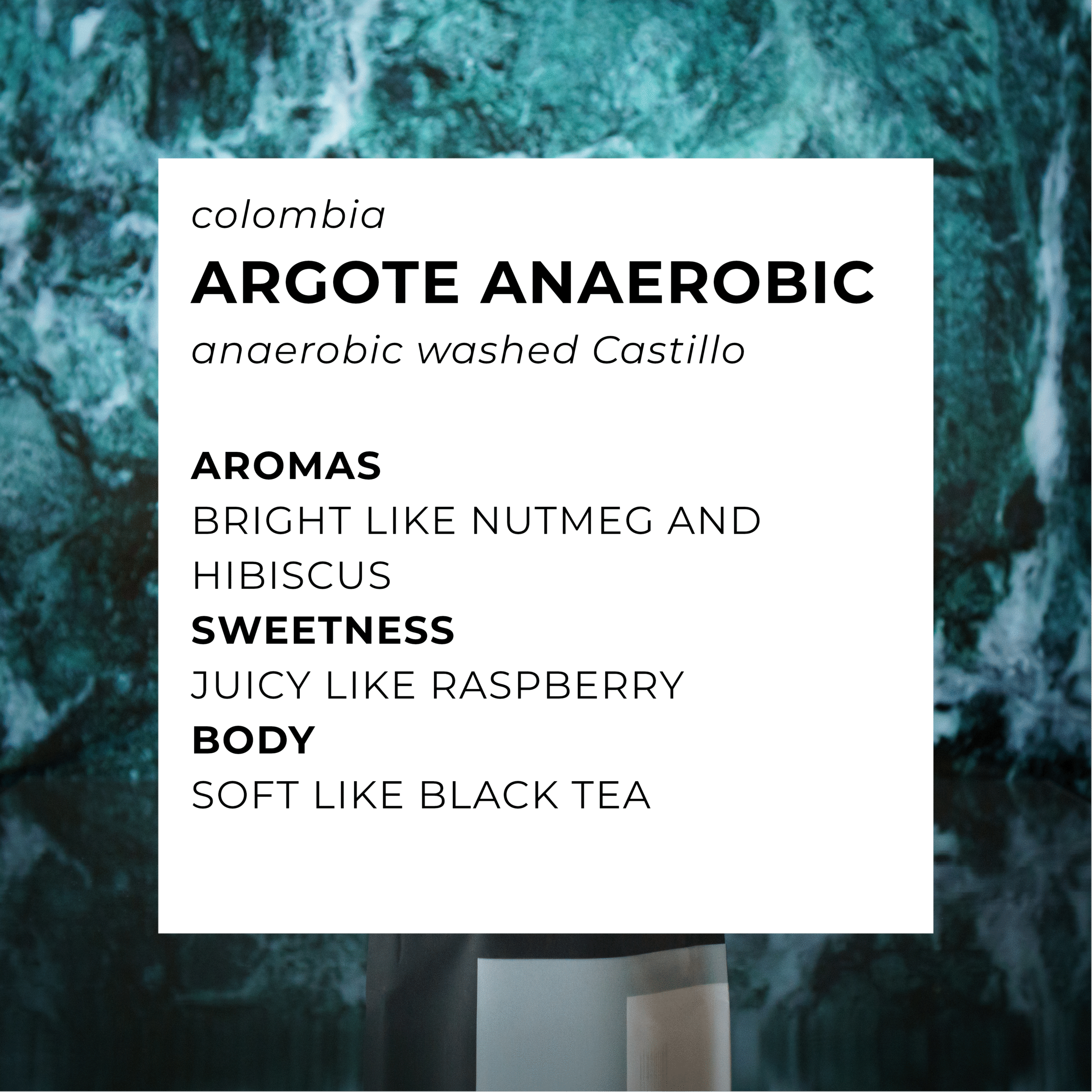
Argote Anaerobic
€16.00 – €57.60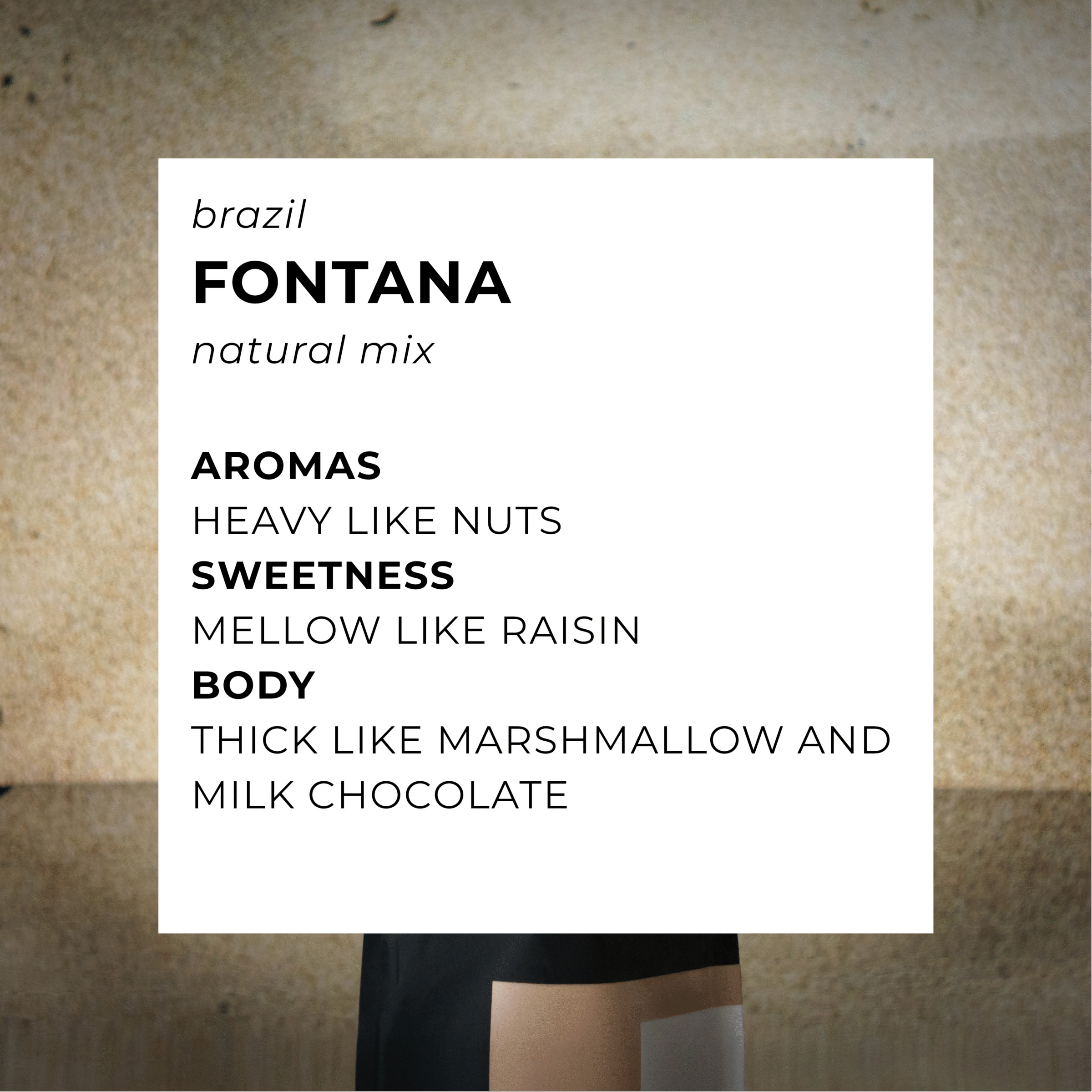
Fontana
€11.00 – €39.60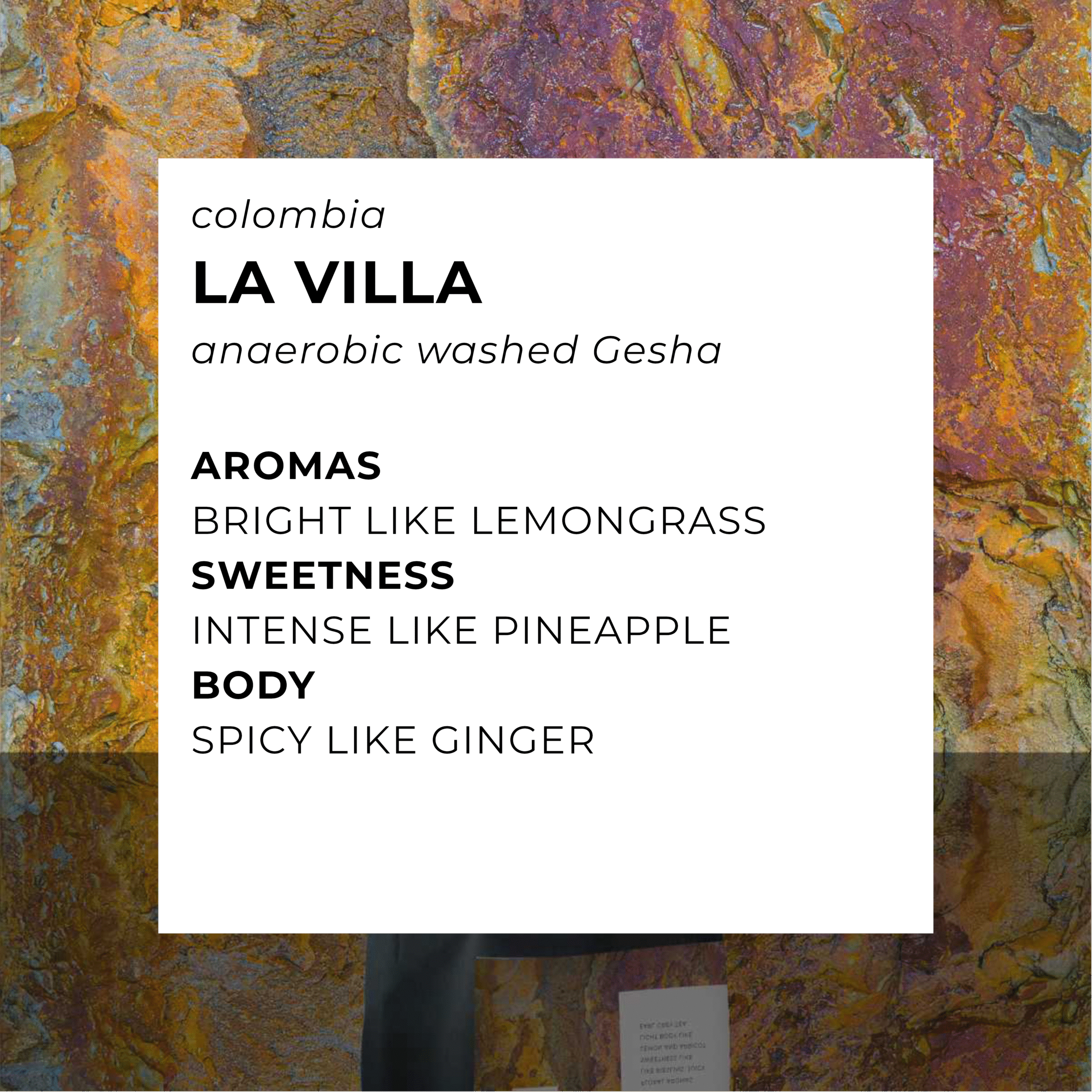
La Villa
€25.00 – €90.00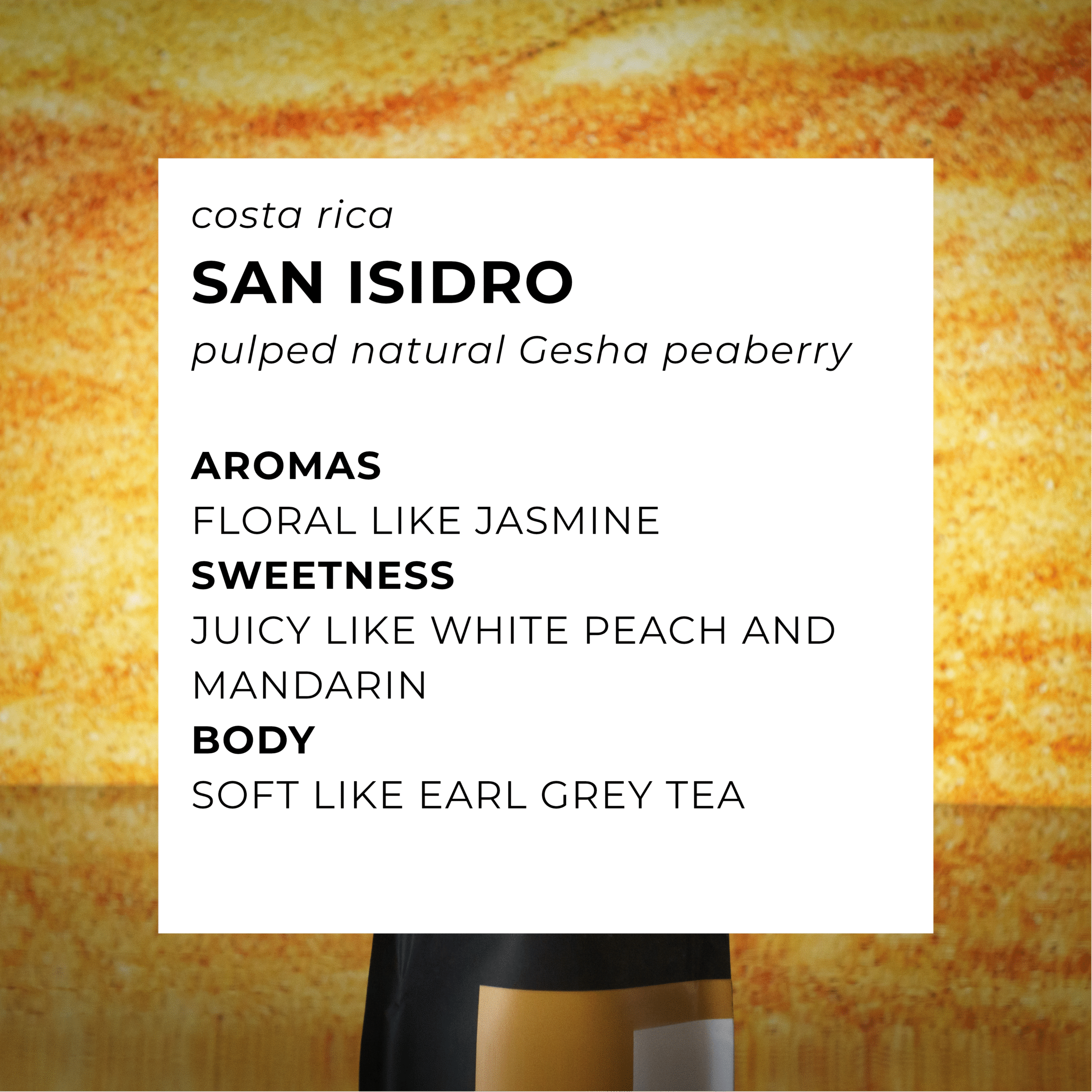
San Isidro
€16.00 – €57.60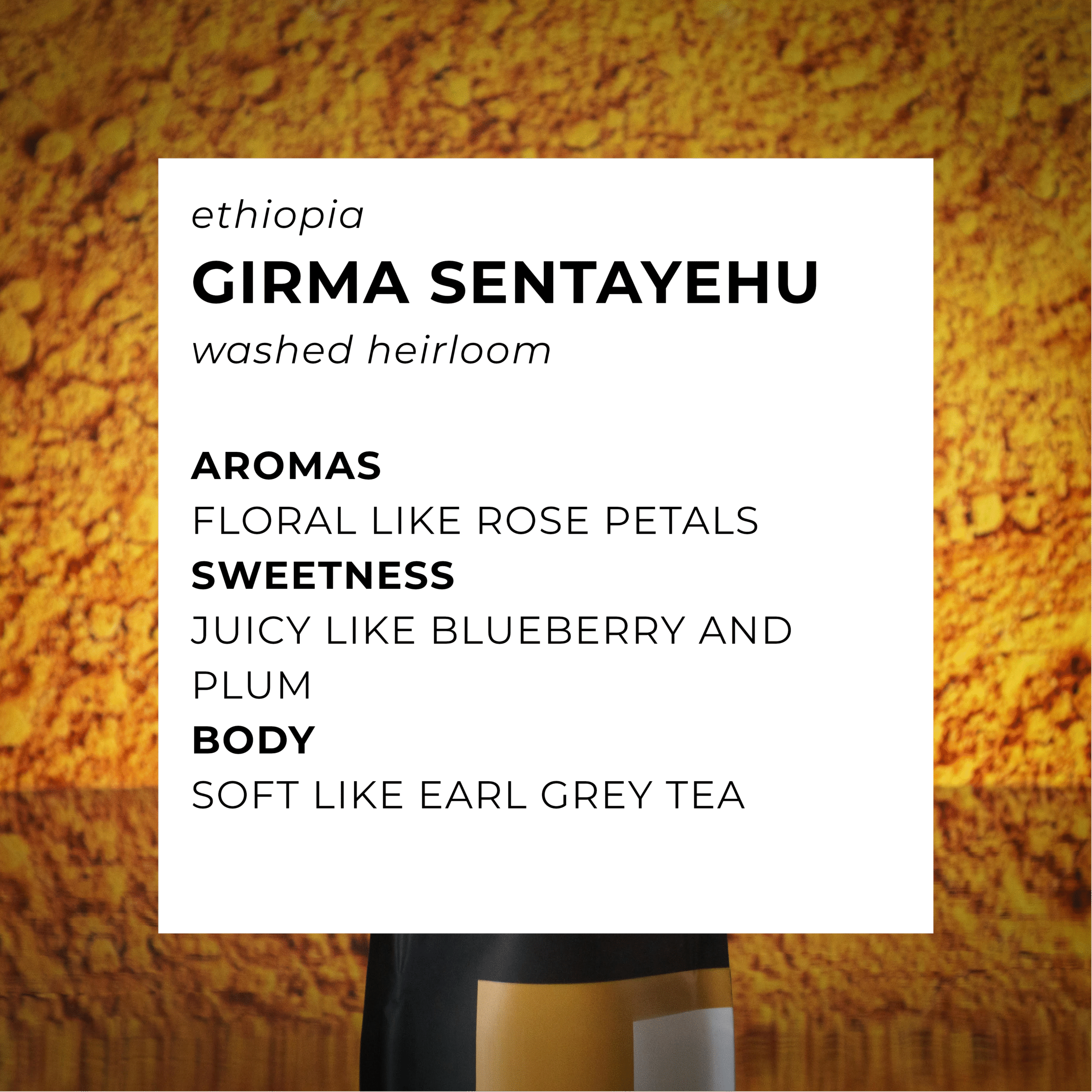
Girma Sentayehu
€13.00 – €46.80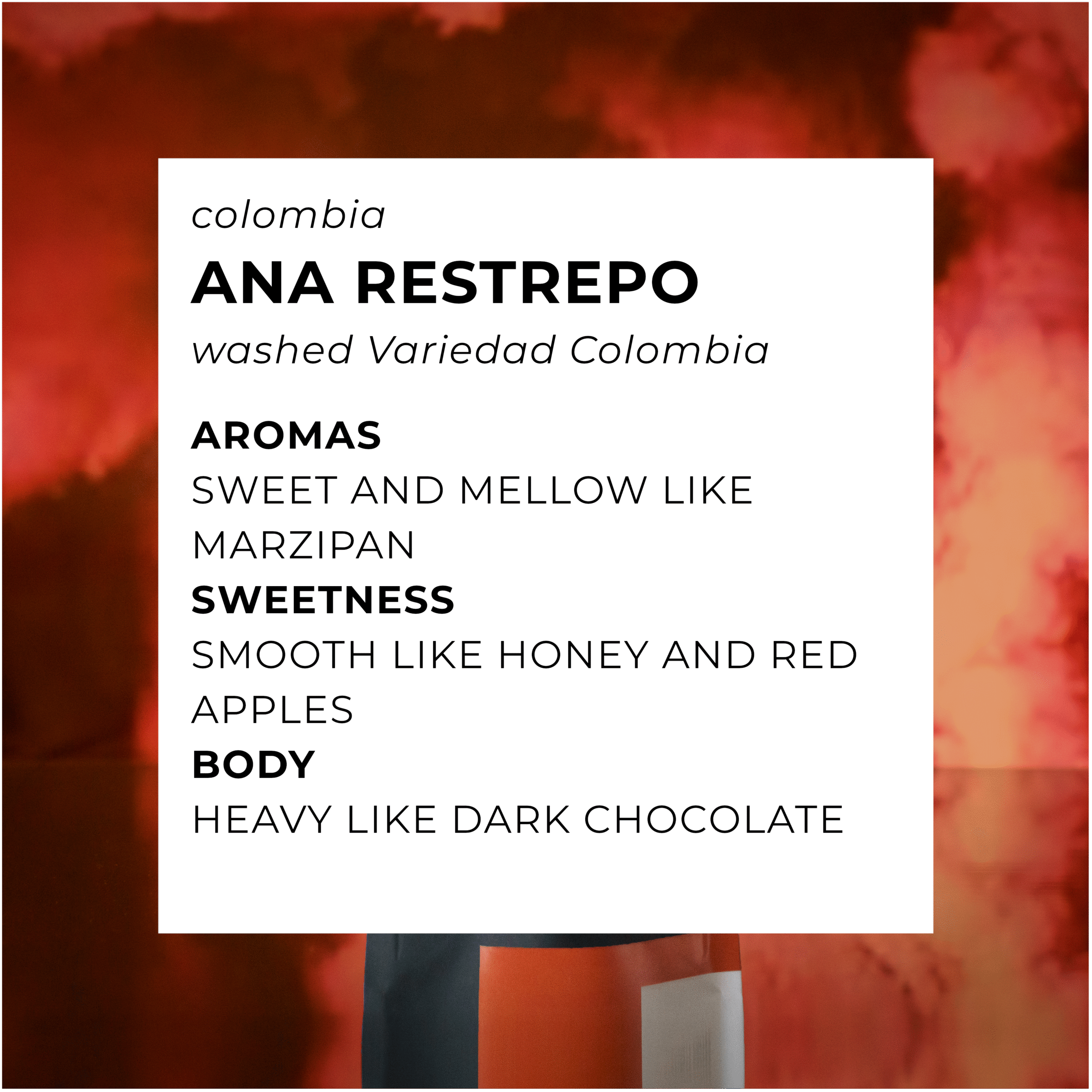
Ana Restrepo
€13.00 – €46.80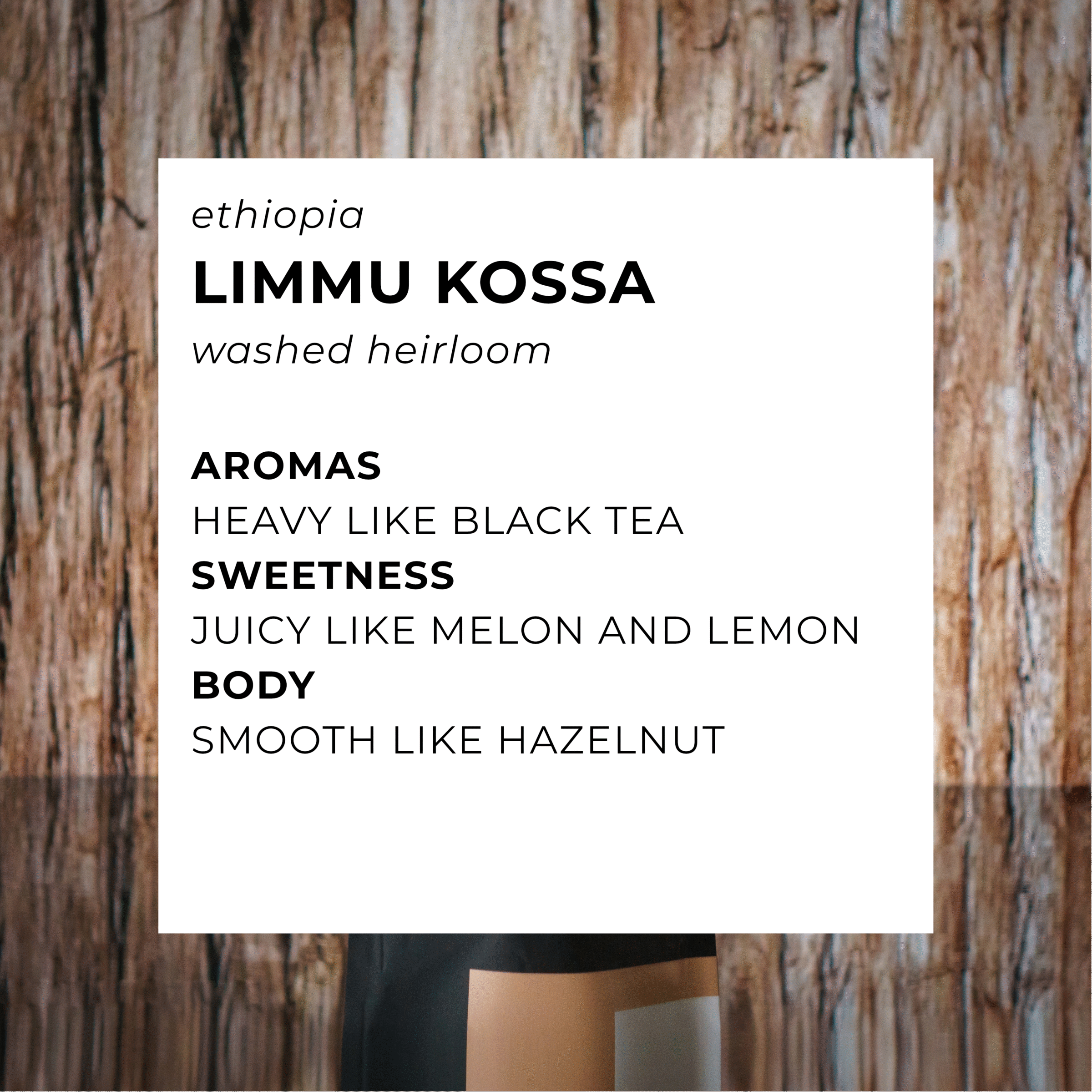
Limmu Kossa
€13.00 – €46.80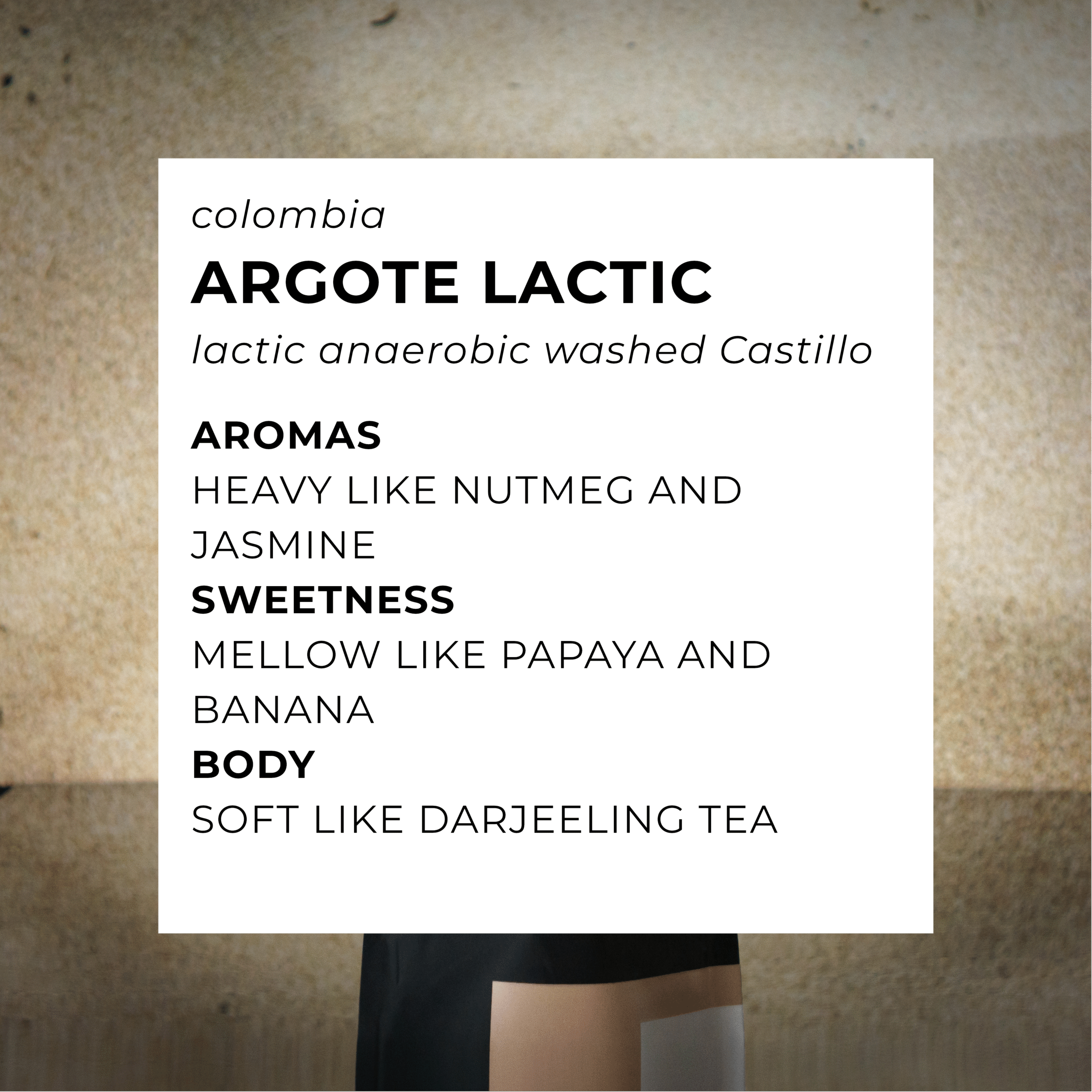
Argote Lactic Anaerobic
€16.00 – €57.60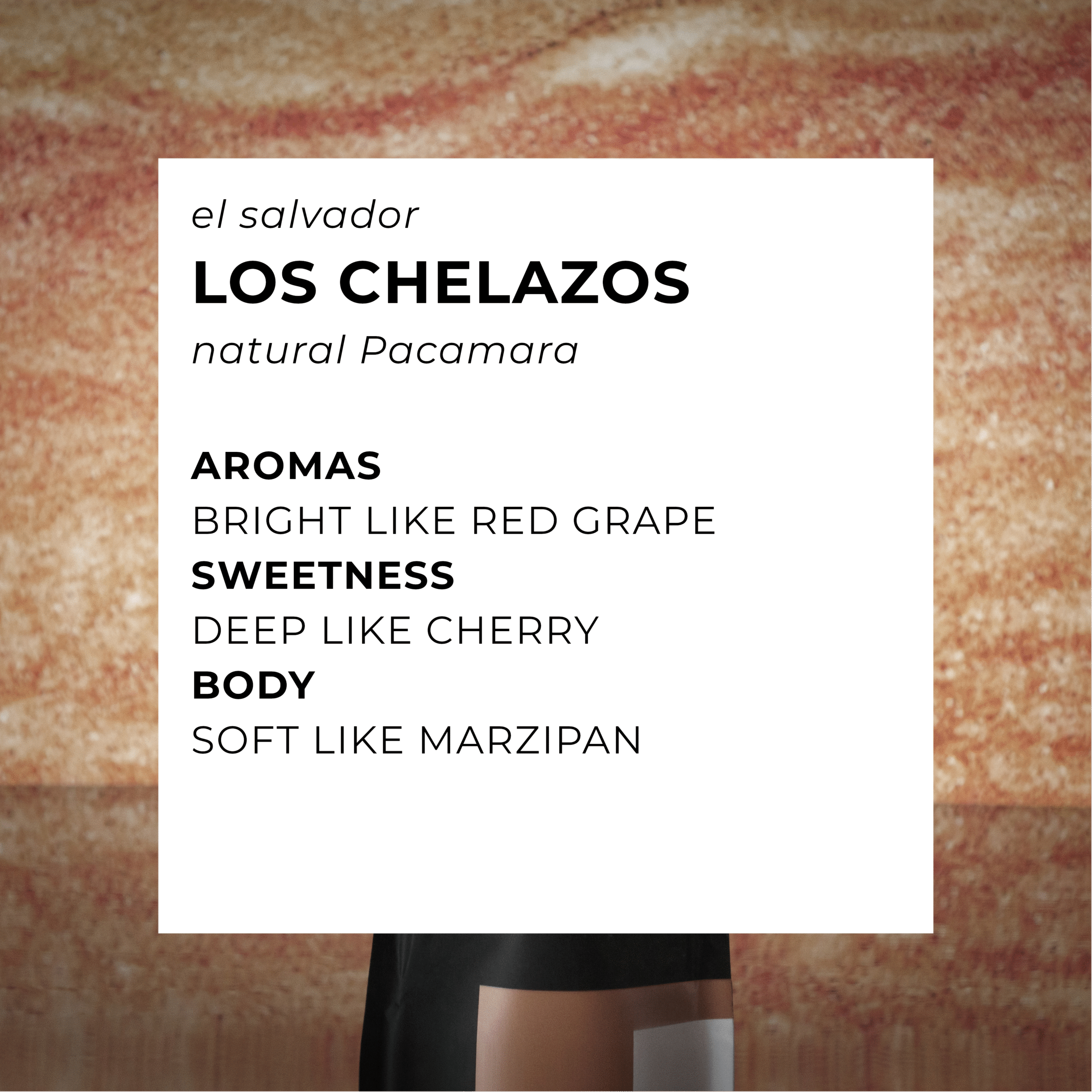
Los Chelazos
€15.00 – €54.00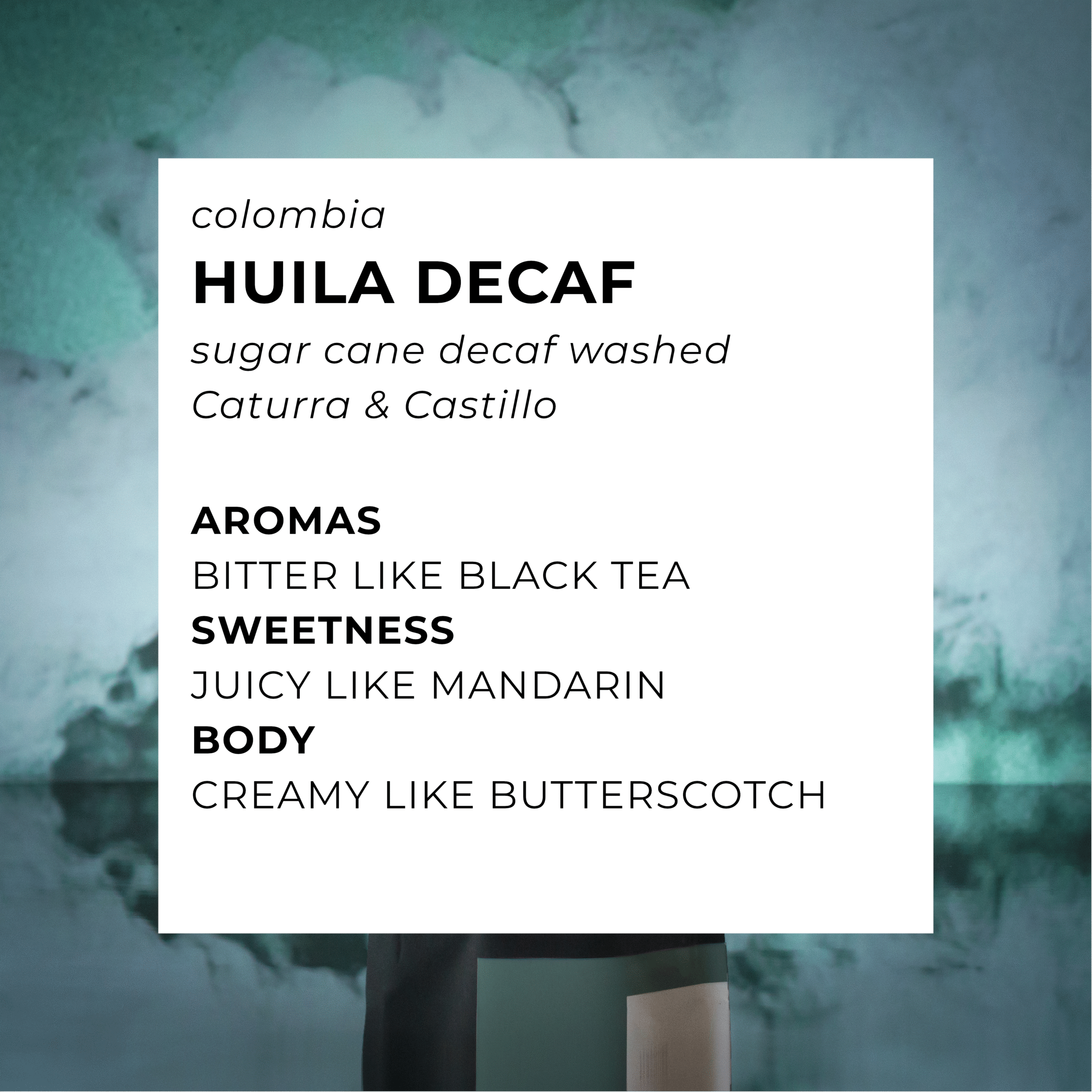
Huila decaf
€14.00 – €50.40