La Villa
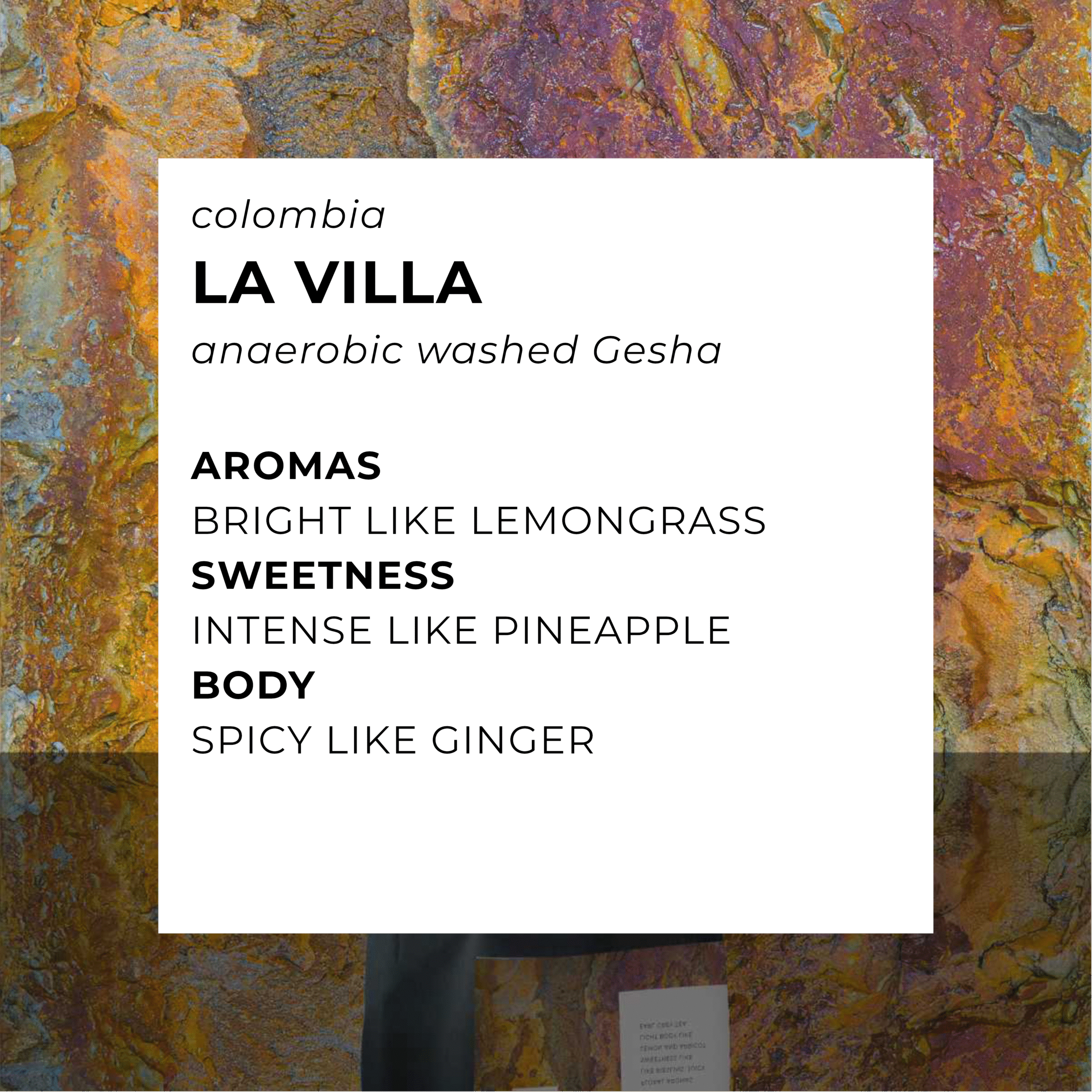
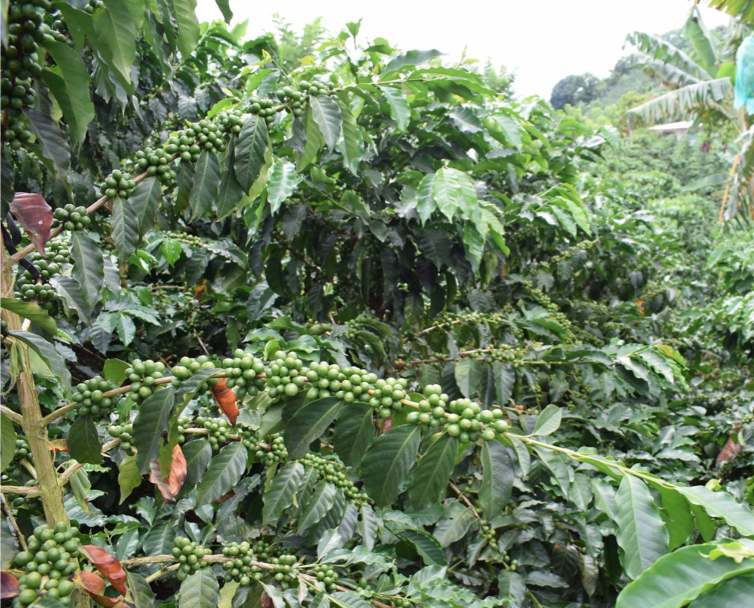
Colombia – Anaerobic Gesha. Bright aromas like lemongrass. Intense sweetness like pineapple. Spicy body like ginger.
La Villa
Sometimes, I just feel like buying some amazing coffees that come across my path. This is one of them.
Region: Isnos, Huila, Colombia
Altitude: 1950 m.a.s.l.
Variety: Gesha
Processing: Washed Anaerobic
Additional information
| Weight | N/A |
|---|
Jelle's Notes
I like my coffees clean and balanced, so I’ve never really been drawn to coferments. Adding something during fermentation to push the flavour in a certain direction can create exciting profiles, but these coffees often end up less clean, slightly chemical, and not quite balanced. There’s an ethical dilemma too: if something else is doing all the work, what are you actually tasting?
That’s exactly what made this lot so surprising. The first time I cupped it, the lemongrass was so precise and so intense that I was certain it had to be a coferment, so I checked with the importer. Nothing added. Not a coferment. A flavour I hadn’t come across before, and yet it was exactly what I look for in a coffee: clean, balanced, and completely its own.
The process uses a bioreactor, with the fresh cherry juice from pulping added back in as an extra fermentation fluid. Everything you taste comes from the coffee itself, which is what makes it so special to work with.
Producer
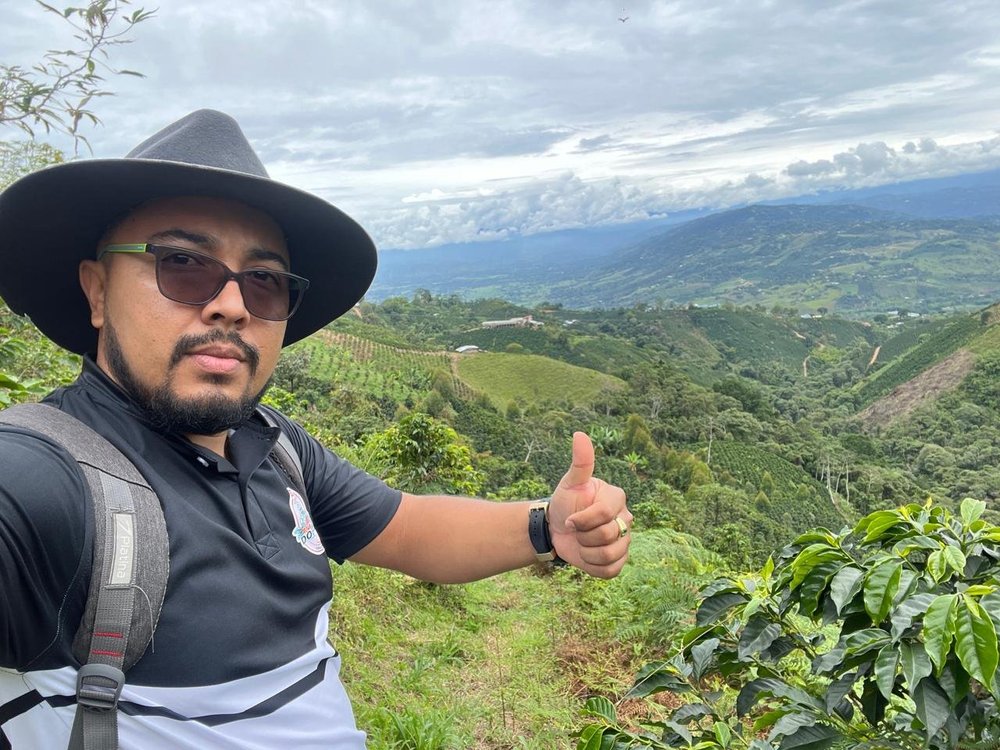
La Villa has been in Juan Darío’s family since 1965, when his father Don Bautista first arrived in the region. They bought the land a few years later and began growing beans and coffee around 1970. At the time, the Indigenous communities in the area were opposed to coffee cultivation, so the first plants were grown quietly, tucked in among the weeds. Over the years, the work of the local federation helped shift perceptions, and coffee slowly became an accepted and valued crop.
The turning point came in 2005, when the cooperative encouraged the farm to enter a local competition. La Villa won, and the prize gave the family the means to start investing seriously in varieties and processing. Today the farm sits at 1,720 meters above sea level and produces around 90 percent of its coffee on-site, using processing techniques that reflect both tradition and innovation. Among the varieties grown is Gesha, which thrives at this altitude and is the variety behind this coffee.
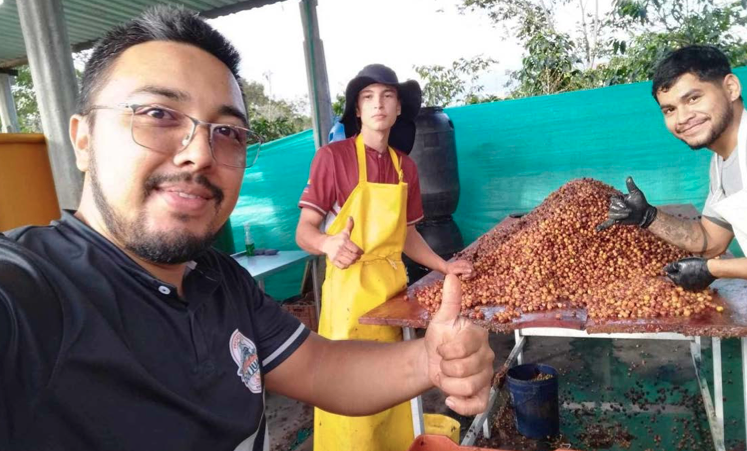 Juan Darío grew up working the land alongside his father, and eventually took over the farm himself. At fifteen he enrolled in an agricultural program at SENA, where he focused on organic fertilisation and sustainable production, and by 2017 he was managing his own plots. Over time he developed strong skills in cupping and became confident working with natural and washed methods, as well as exploring extended fermentations. The bioreactor process behind this lot, using the cherry juice from pulping as an extra fermentation liquid, is a natural extension of that curiosity.
Related products
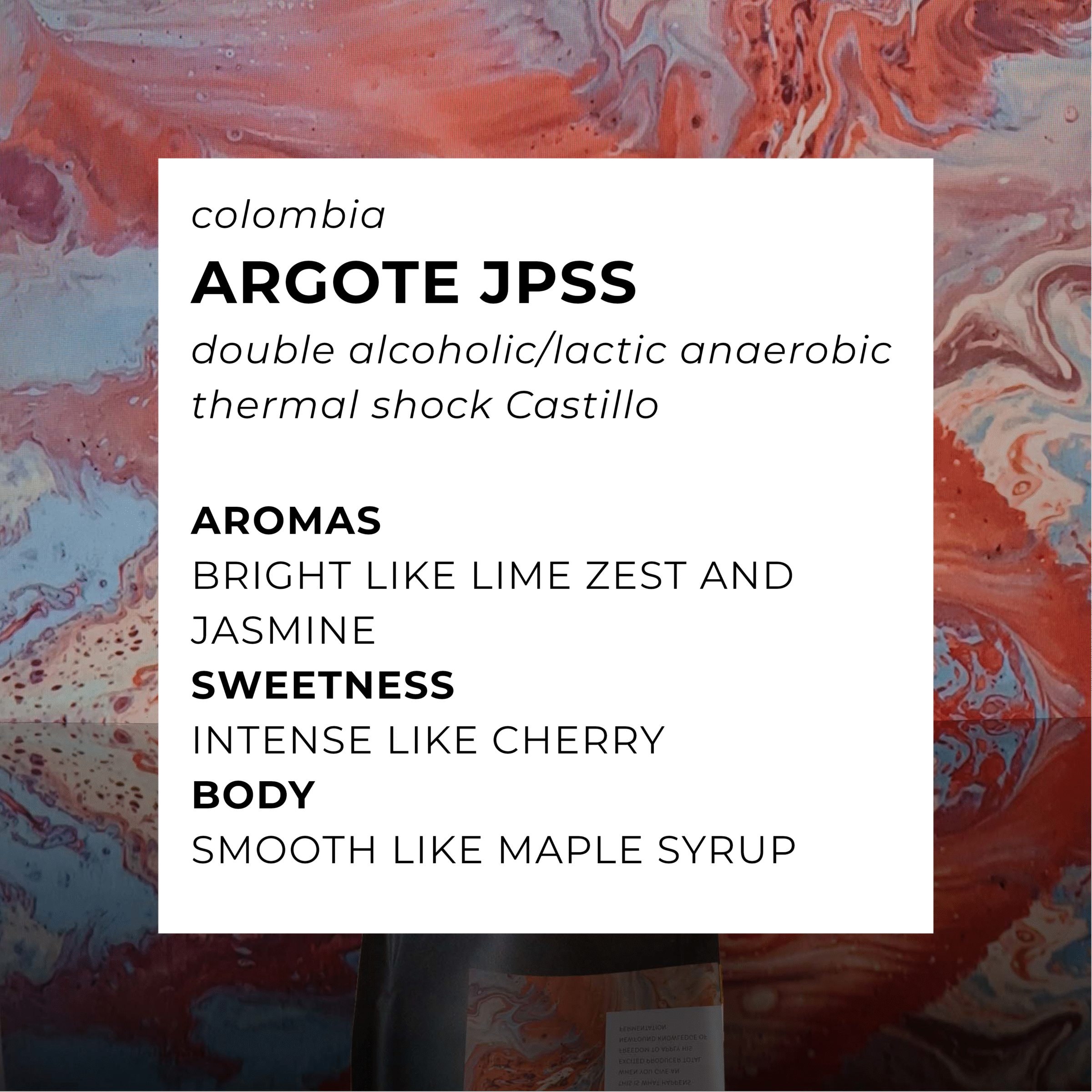
Argote Juan Pablo Super Special
€22.00 – €79.20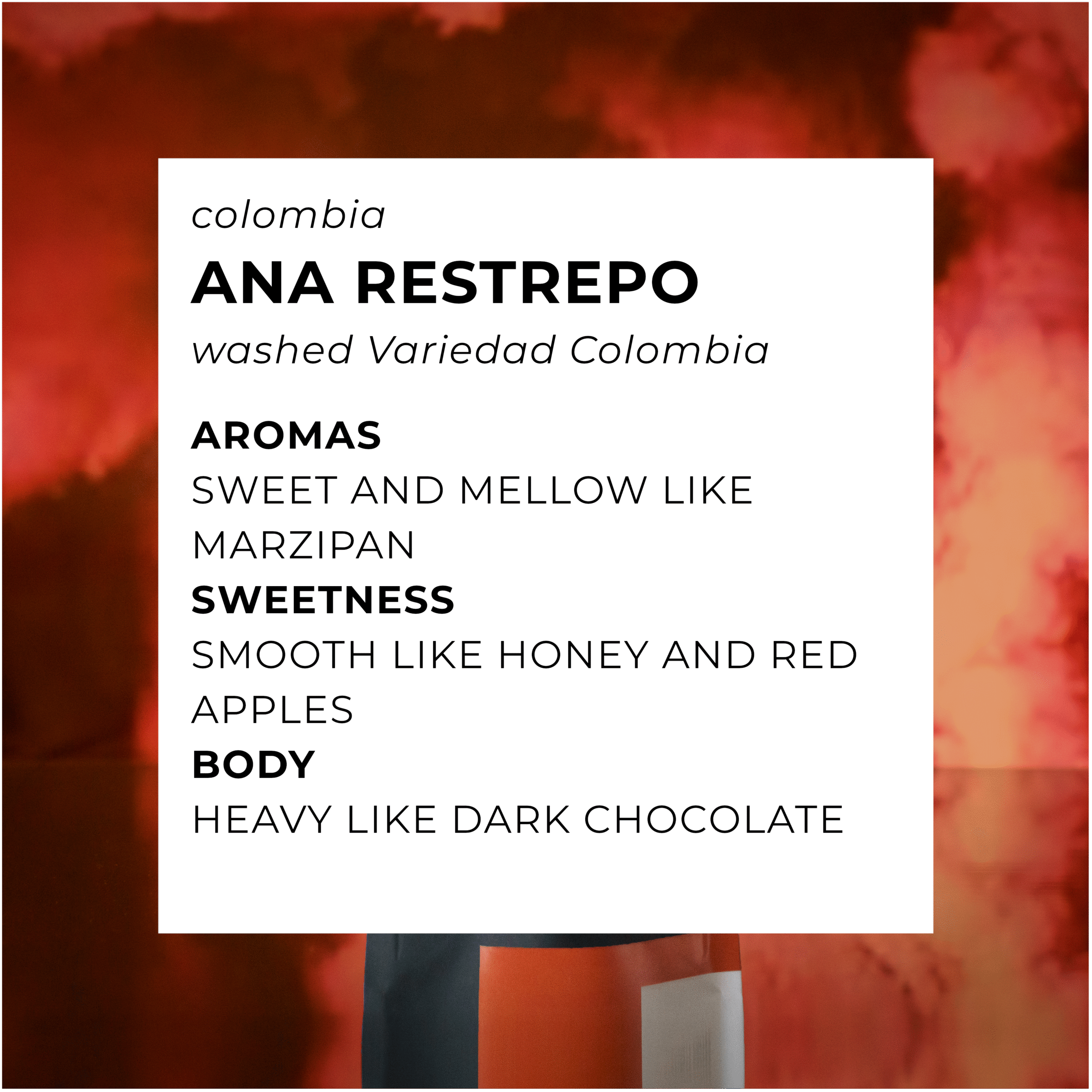
Ana Restrepo
€13.00 – €46.80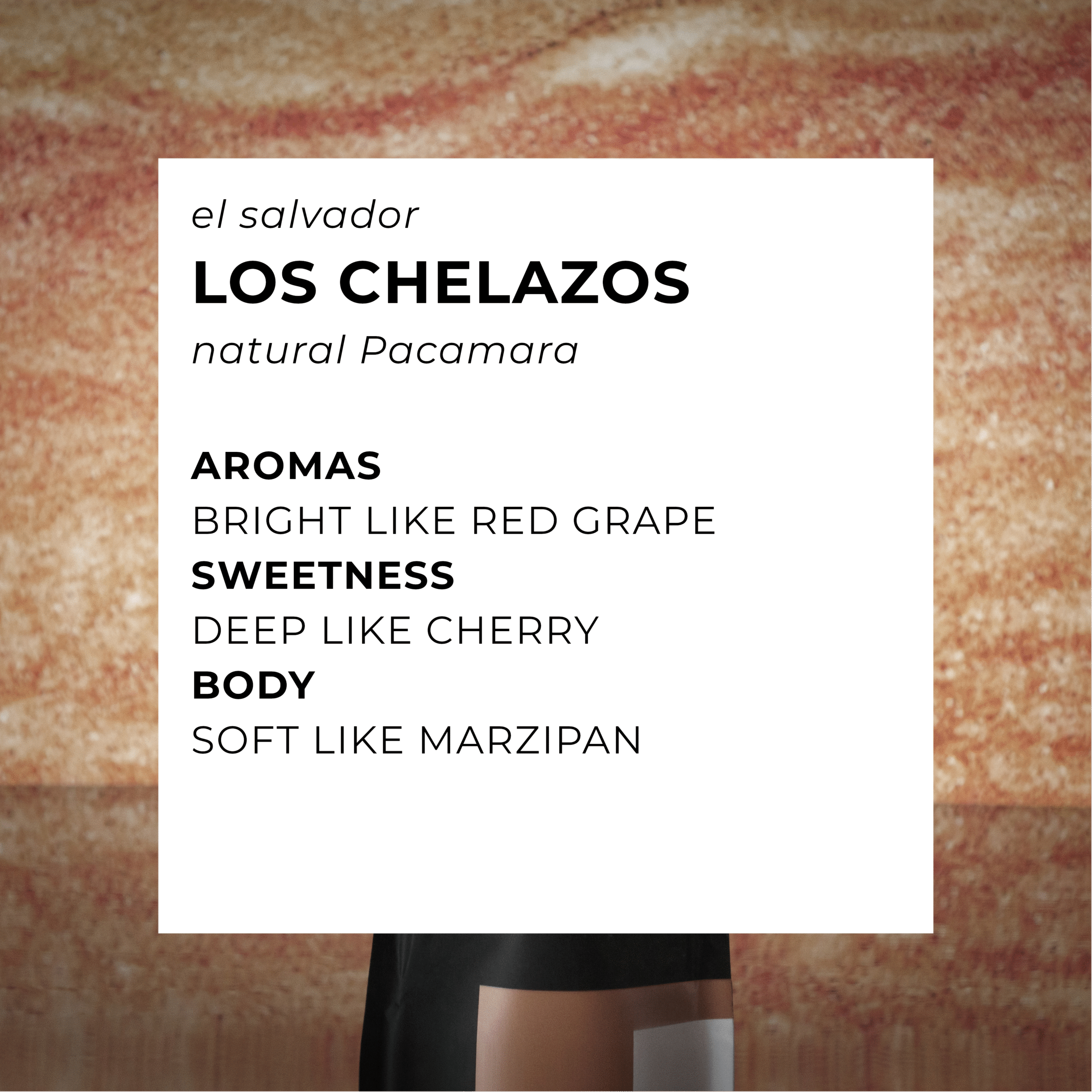
Los Chelazos
€15.00 – €54.00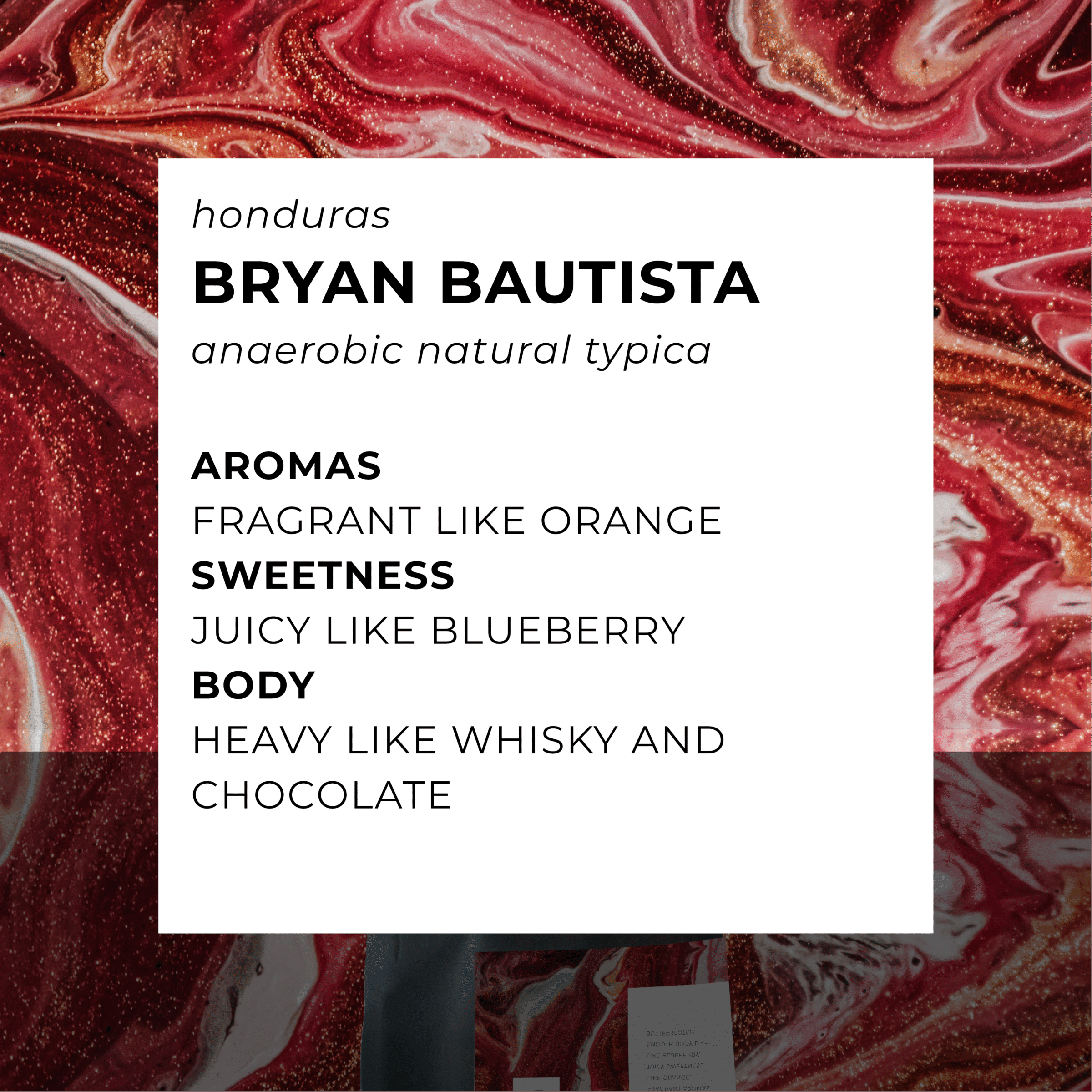
Bryan Bautista
€19.00 – €68.40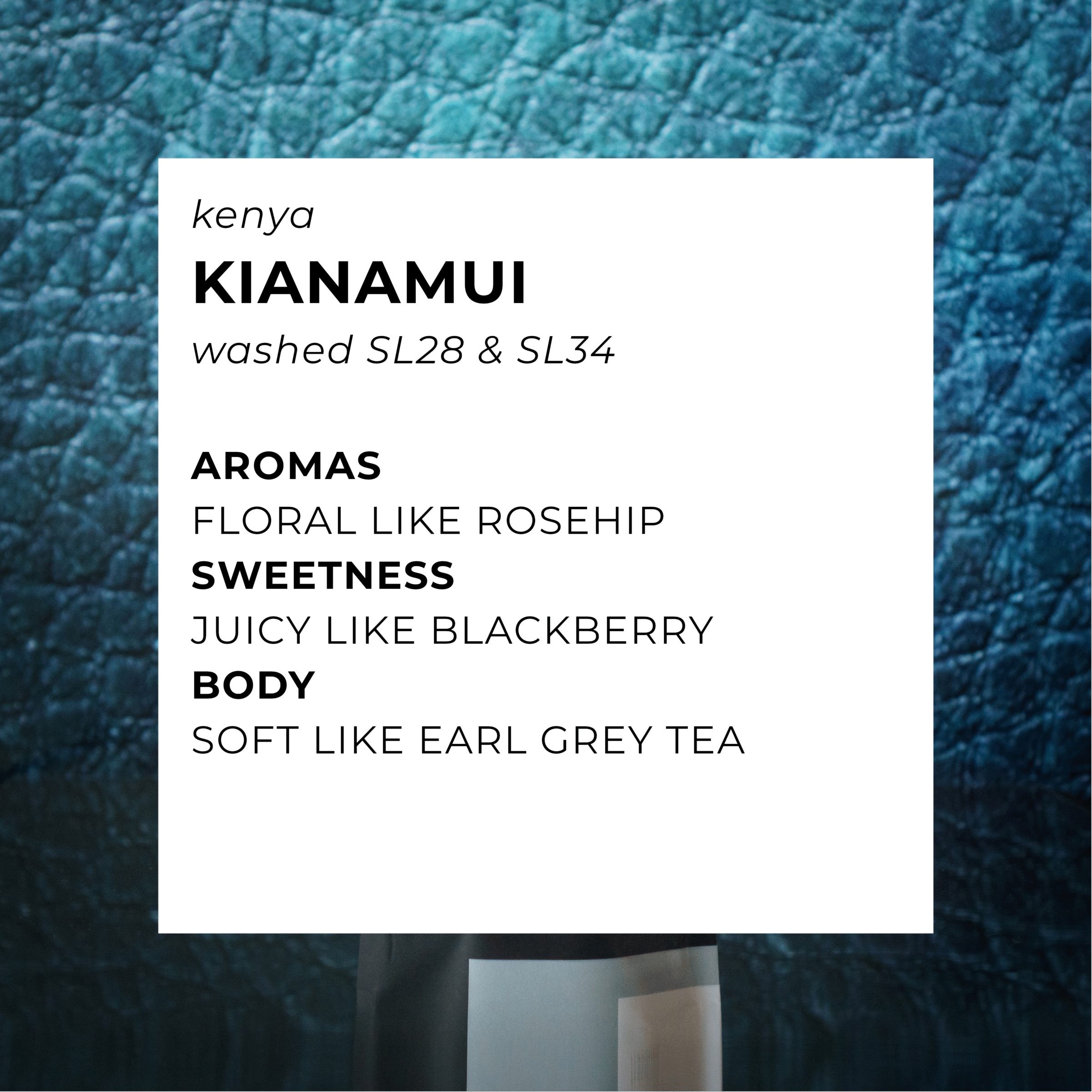
Kianamui
€14.00 – €50.40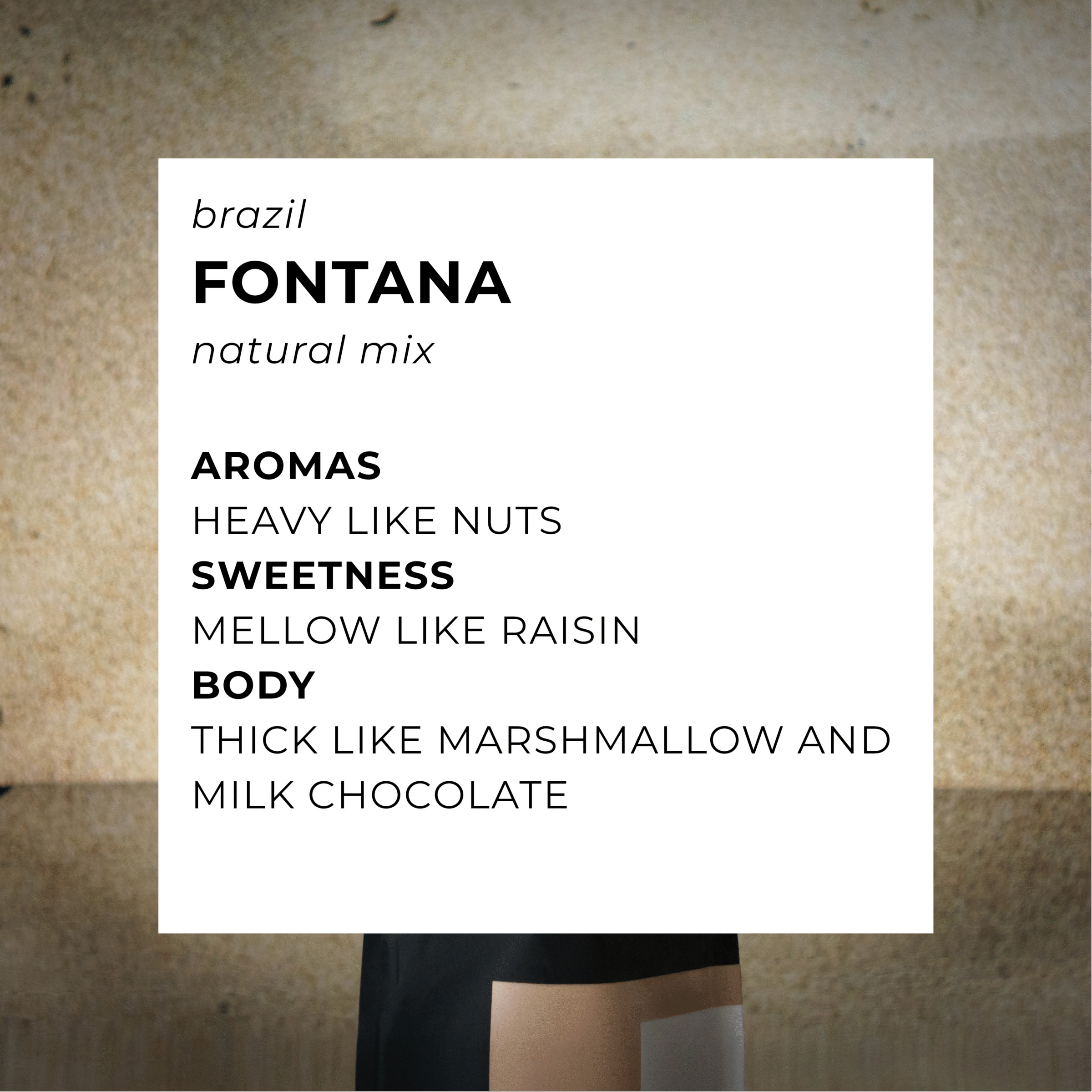
Fontana
€11.00 – €39.60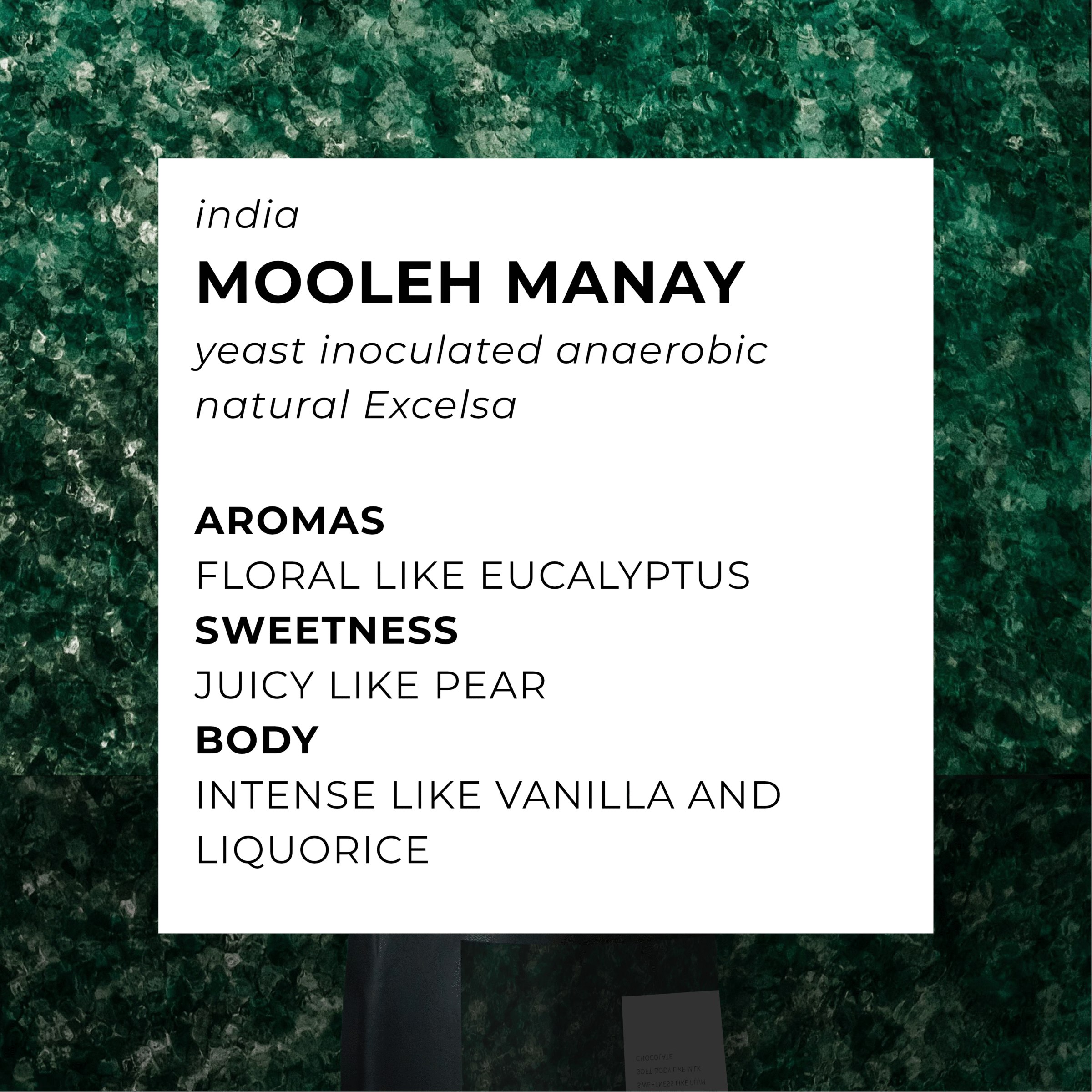
Mooleh Manay Excelsa
€25.00 – €90.00
Surprise coffee
€12.00 – €43.20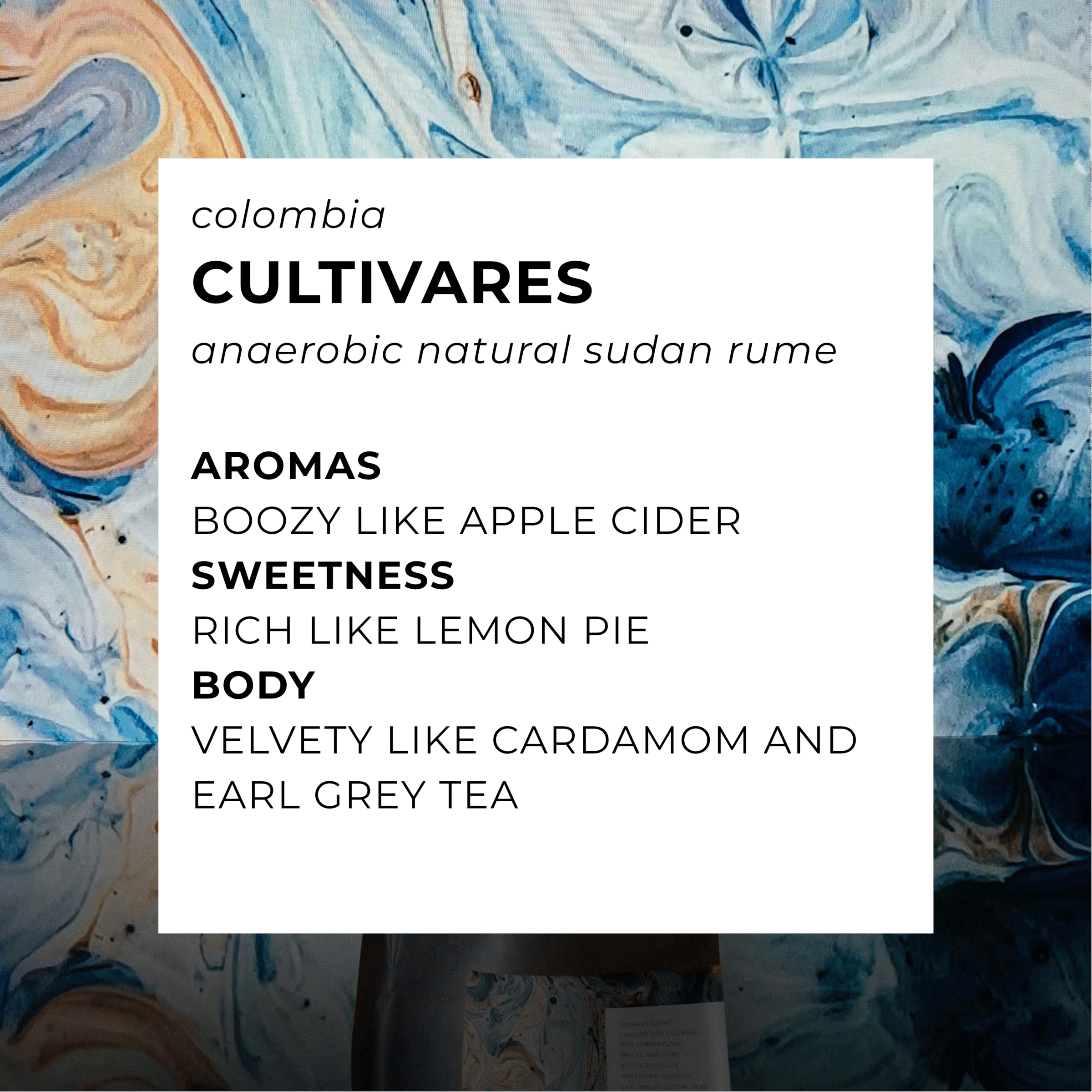
Cultivares
€24.00 – €86.40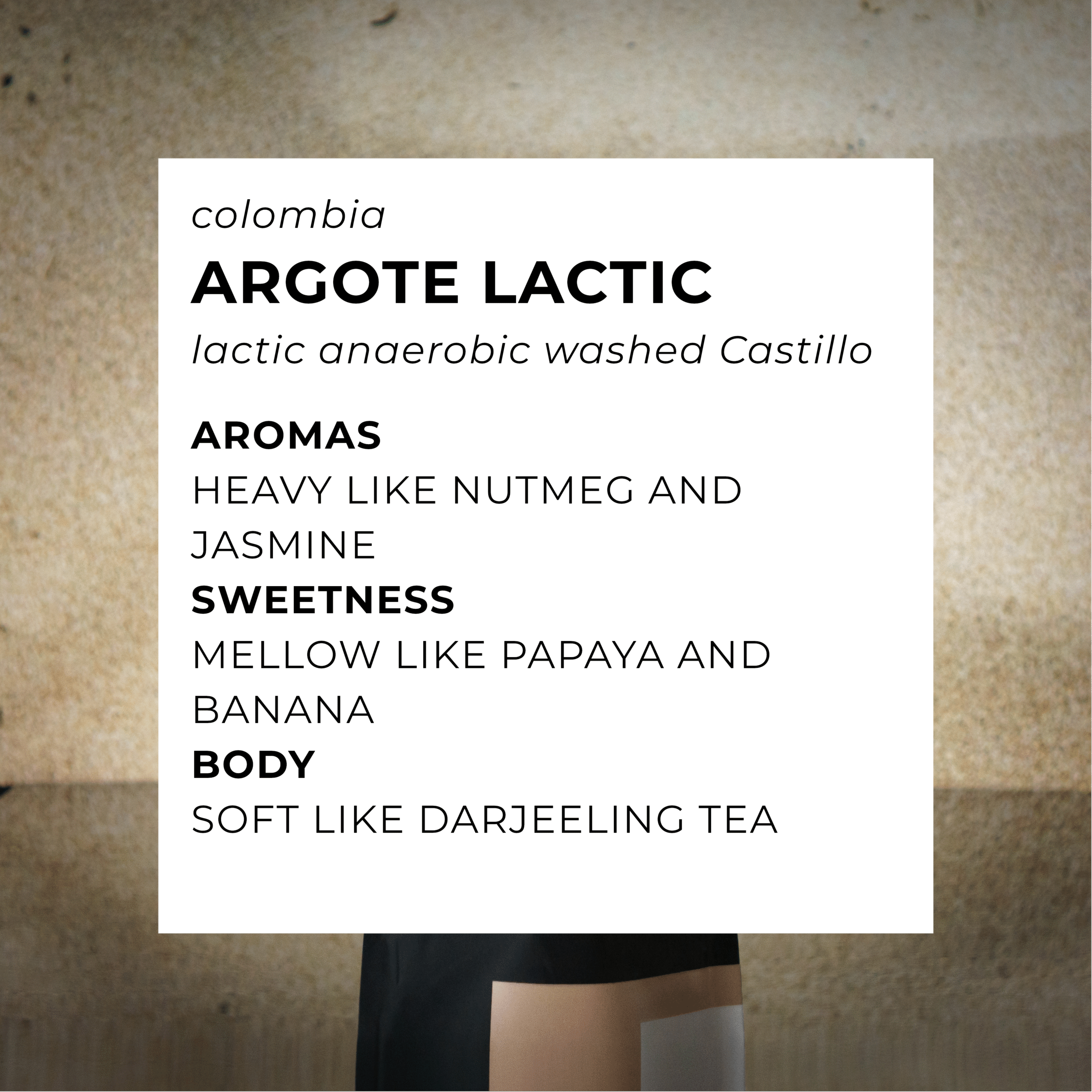
Argote Lactic Anaerobic
€16.00 – €57.60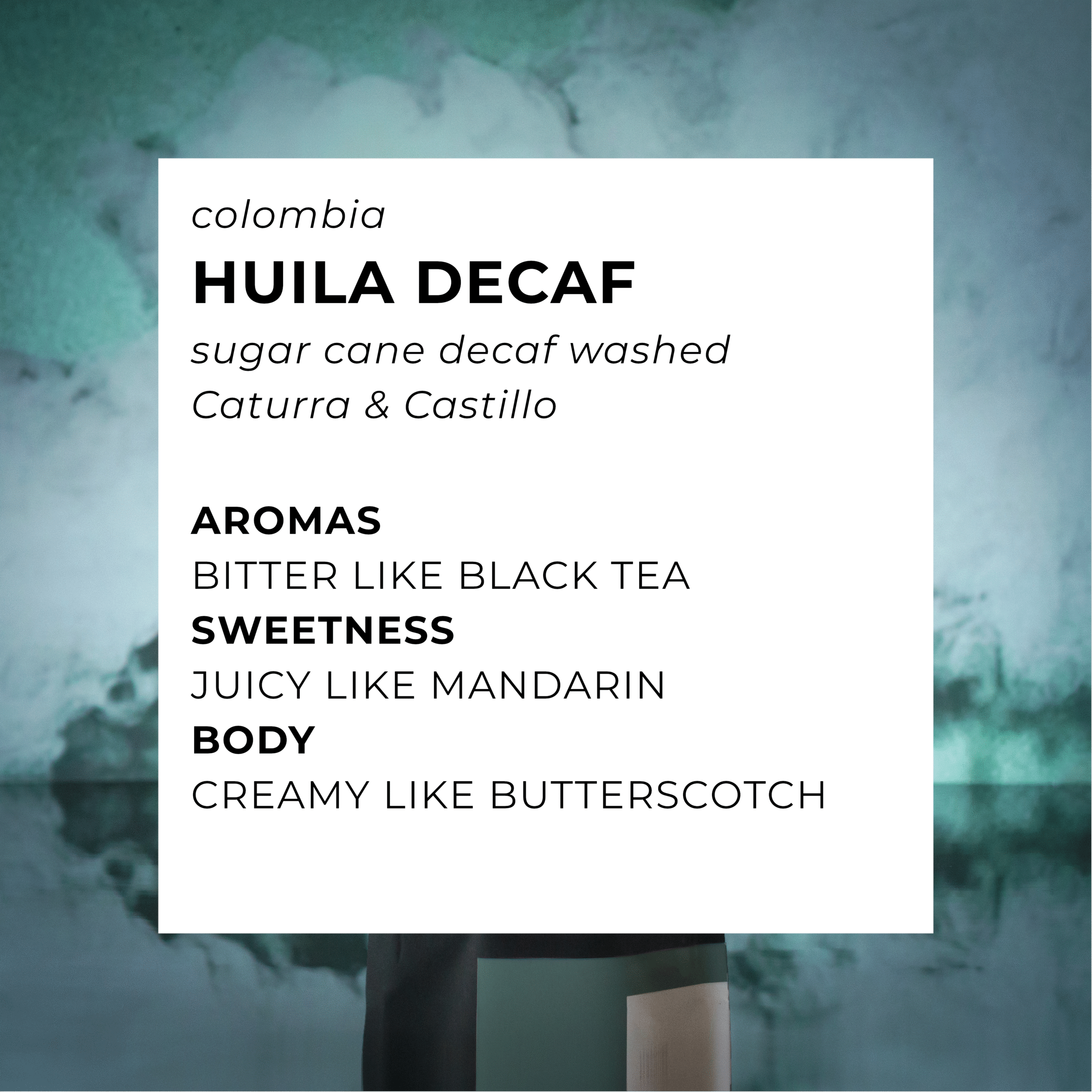
Huila decaf
€14.00 – €50.40