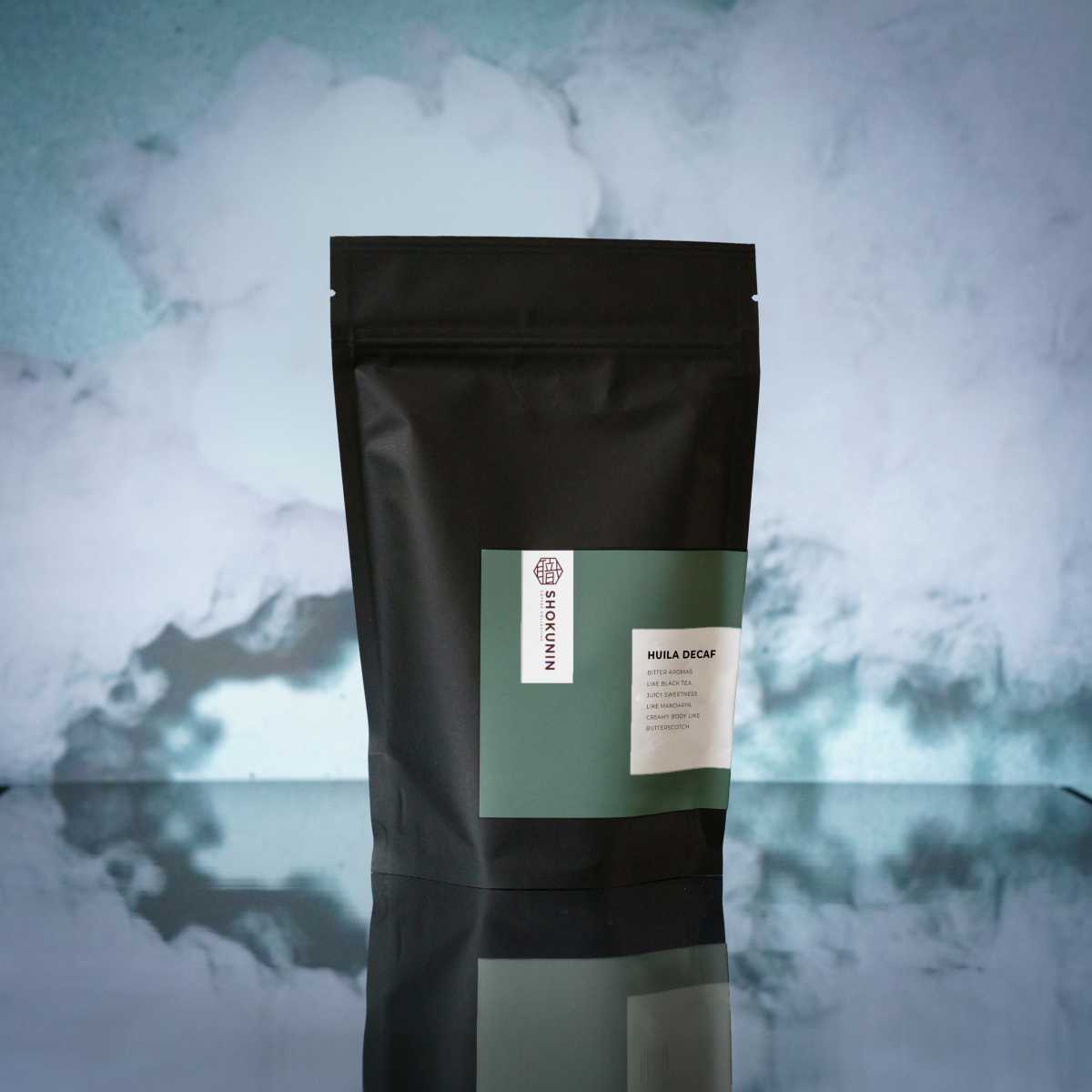
Huila decaf
Colombia – Decaffeinated washed Caturra and Castillo. Bitter aromas like black tea. Juicy sweetness like mandarin. Creamy body like butterscotch.
Huila decaf
Decaffeinated using ethyl acetate: a by-product of sugar cane production which is in abundance in Colombia.
Region: Pitalito, Huila, Colombia
Altitude: 1,400 – 2,100 m.a.s.l.
Variety: Caturra, Castillo
Processing: fully washed, sugar cane decaf
Additional information
| Weight | N/A |
|---|---|
| Region | Pitalito, Huila, Colombia |
| Altitude | 1,400 – 2,100 m.a.s.l. |
| Variety | Caturra, Castillo |
| Processing | Fully washed, sugarcane decaffeinated |
| Flavour | Intense aromas like dark chocolate and red wine. Mellow sweetness like pear and plums. Heavy body like dark chocolate. |
Jelle's Notes
“Death before decaf” is a phrase you hear often in the coffee world, usually from people who don’t expect much from it.
Decaf has often been treated like the overlooked kid, usually pre‑ground and never taken seriously. But modern decaf can be genuinely good, so I took the opportunity to roast it with the same intention I bring to my other coffees.
I started out with four different decafs, each with its own flavor profile. The funny thing was that most people had such low expectations of decaf that they didn’t even think to ask for variety, and the demand wasn’t high enough to keep all four fresh. So a few years ago, I decided to focus on Huila decaf, and who knows, I might bring back a second one again in the future.
Huila decaf is a proper cup of coffee with a steady classic Colombian profile. When I first bought it, I slipped it into the subscription as a mystery coffee. The feedback came back full of cherry and chocolate notes, and no one realised it was a decaf. That’s when I knew it was a keeper.
Decaf explained
I’d be happy to explain more about the decaffeination process, but James Hoffman made an excellent video about it, so I’ll let him take over.
Related products
Surprise coffee
€12.00 – €43.20
Keramo Washed
€17.00 – €61.20
Fausto Romo
€22.00 – €79.20
Argote Juan Pablo Super Special
€19.00 – €68.40
Fontana
€11.00 – €39.60
Argote Lactic Anaerobic
€16.00 – €57.60
Gonzalo Castillo
€13.00 – €46.80
Churupampa
€12.00 – €43.20
El Renacer
€18.00 – €64.80
Ana Restrepo Natural
€16.00 – €57.60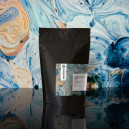
Jose William Diaz
€22.00 – €79.20